CTE Mismatch Impact on PCB Reliability
By:PCBBUY 06/26/2026 11:41
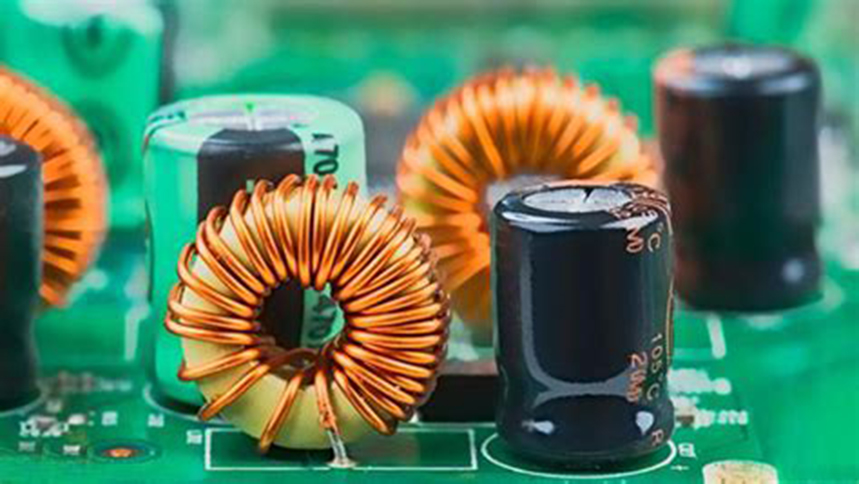
CTE mismatch is one of the most critical factors affecting PCB reliability, especially in multilayer, high-density, and high-reliability electronic products. When different materials within a PCB expand at different rates under thermal stress, mechanical strain accumulates—often leading to premature failure.
Understanding the CTE mismatch impact on PCB reliability helps engineers and buyers select the right materials, stackups, and manufacturing partners.
At PCBBUY, CTE compatibility is treated as a key design-for-reliability parameter throughout PCB fabrication and assembly preparation.
What Is CTE and Why Does It Matter in PCBs?
CTE (Coefficient of Thermal Expansion) describes how much a material expands when the temperature increases. In PCBs, multiple materials coexist, including:
-
Copper foil
-
FR-4 cores and prepregs
-
High-Tg or high-frequency laminates
-
Resin systems and plated vias
When these materials have different CTE values, thermal cycling causes mechanical stress at their interfaces.

CTE Mismatch Affects PCB Reliability
1. Via and Plated Through-Hole Cracking
Copper has a much lower CTE than resin materials in the Z-axis direction. During thermal cycling:
-
Resin expands more than copper
-
Repeated stress causes barrel cracking
-
Electrical continuity becomes unstable
This is a common failure mode in multilayer PCBs.
2. Delamination and Layer Separation
CTE mismatch between core, prepreg, and copper layers can weaken interlayer bonding. Under high temperature:
-
Internal stress accumulates
-
Resin-copper adhesion degrades
-
Delamination or blistering occurs
This risk increases during lead-free reflow soldering.
3. Warpage and Assembly Defects
Uneven expansion across PCB layers causes:
-
Board warpage
-
Coplanarity issues
-
Poor solder joint formation
This directly impacts SMT yield and assembly reliability.
4. Long-Term Reliability Degradation
Even if immediate defects do not appear, CTE mismatch accelerates:
-
Fatigue damage
-
Micro-crack propagation
-
Early field failures under thermal cycling

Typical Sources of CTE Mismatch in PCBs
|
CTE Mismatch Source |
Description |
Reliability Risk |
|
Material inconsistency |
Mixed laminate systems |
Internal stress buildup |
|
Low-Tg materials |
High Z-axis expansion |
Via fatigue |
|
Thick multilayer stackups |
Increased thermal strain |
Barrel cracking |
|
Poor lamination control |
Incomplete resin bonding |
Delamination |
|
Aggressive reflow profile |
Excessive thermal shock |
Structural damage |
How PCBBUY Controls CTE Mismatch Risks?
PCBBUY applies a systematic CTE control strategy across material selection and manufacturing processes:
Material & Stackup Engineering
-
Qualified high-Tg and low-Z-axis-CTE laminates
-
Material compatibility verification for mixed stackups
-
Stackup optimization for multilayer and HDI boards
Process-Level Control
-
Precision lamination temperature and pressure profiles
-
Controlled resin flow to improve copper-resin bonding
-
Optimized drilling and copper plating thickness for via durability
Reliability-Oriented Manufacturing
-
Thermal stress simulation during process validation
-
Support for high-reliability applications such as industrial and automotive electronics
-
Process traceability across critical manufacturing steps
CTE Mismatch Impact vs Prevention Methods
|
CTE-Related Failure |
Root Cause |
PCBBUY Prevention Method |
|
Via cracking |
Z-axis expansion mismatch |
High-Tg material + optimized plating |
|
Delamination |
Resin-copper CTE difference |
Controlled lamination process |
|
Warpage |
Uneven layer expansion |
Balanced stackup design |
|
SMT defects |
Thermal deformation |
Reflow-compatible PCB design |
|
Reduced lifespan |
Thermal fatigue |
Reliability-focused material selection |
Why CTE Control Matters for Global Buyers?
For overseas customers, uncontrolled CTE mismatch can result in:
-
Assembly yield loss
-
Early field failures
-
Costly returns or recalls
-
Reliability certification issues
A PCB manufacturer with CTE-aware engineering and process capability significantly reduces long-term reliability risk.

FAQ
Q1: Is CTE mismatch only a concern for multilayer PCBs?
No, but it becomes much more critical as layer count and board thickness increase.
Q2: Does high-Tg material eliminate CTE mismatch?
High-Tg materials reduce Z-axis expansion but cannot eliminate mismatch entirely. Stackup design and process control remain essential.
Q3: How does CTE mismatch affect via reliability?
Repeated thermal cycling causes copper fatigue in plated through-holes, eventually leading to cracking or open circuits.
Q4: Can CTE mismatch cause SMT assembly issues?
Yes. Warpage and deformation during reflow can lead to poor solder joints and alignment problems.
Q5: Does PCBBUY support CTE-sensitive PCB projects?
Yes. PCBBUY provides material consultation, stackup optimization, and reliability-oriented manufacturing for CTE-critical designs.
Conclusion
Understanding the CTE mismatch impact on PCB reliability is essential for designing and manufacturing durable electronic products. CTE mismatch is not a random defect—it is a predictable mechanical phenomenon that must be addressed through proper material selection, stackup engineering, and controlled manufacturing processes.
With a reliability-driven approach to materials and fabrication, PCBBUY delivers PCBs designed to withstand thermal stress and long-term operational demands.
Industry Category