Choosing the Right Surface Finish for High-Reliability PCBs
By:PCBBUY 06/30/2026 14:56
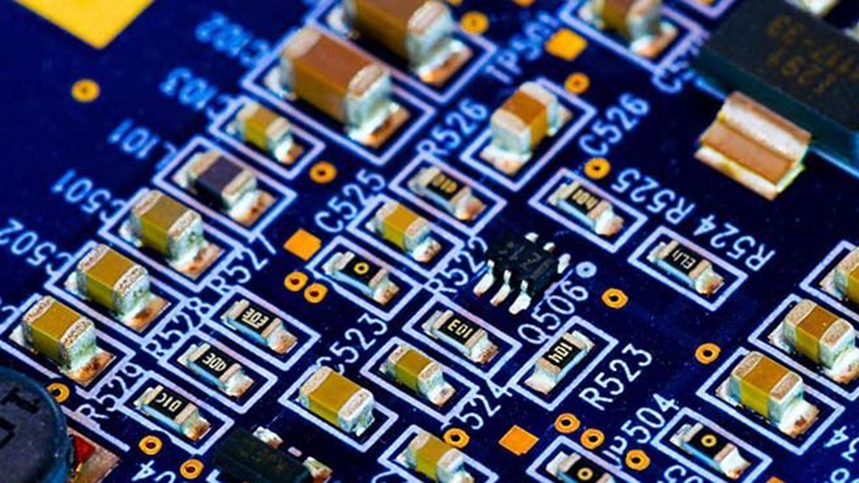
As electronic devices continue to move toward miniaturization, higher I/O density, and finer component pitch, surface finish selection plays a critical role in PCB assembly reliability. Among all surface finishes, ENIG and ENEPIG are the two most widely used solutions for fine pitch components, such as BGA, CSP, QFN, and LGA packages.
This article explains the key differences between ENEPIG and ENIG, their performance in fine pitch PCB applications, and how advanced PCB manufacturers like PCBBUY ensure stable, high-yield results through controlled processes and strict quality management.
Why Surface Finish Matters for Fine Pitch Components?
Fine pitch components typically feature:
-
Pad spacing below 0.5 mm
-
High I/O count
-
Small solder joint volume
-
Sensitivity to surface flatness and metallurgical integrity
In such designs, surface finish directly affects:
-
Solder joint reliability
-
Wire bonding capability
-
Pad corrosion resistance
-
Assembly yield and long-term field performance
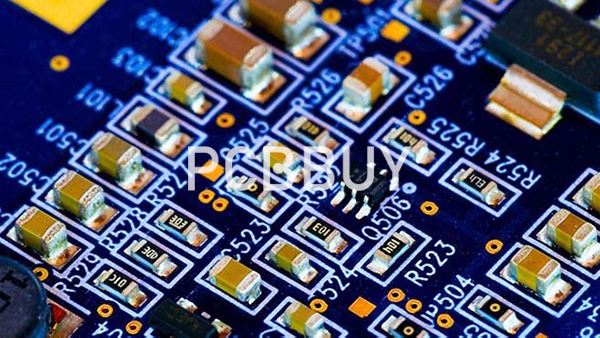
Overview of ENIG and ENEPIG Surface Finishes
|
Surface Finish |
Full Name |
Typical Layer Structure |
|
ENIG |
Electroless Nickel Immersion Gold |
Cu / Ni / Au |
|
ENEPIG |
Electroless Nickel Electroless Palladium Immersion Gold |
Cu / Ni / Pd / Au |
Both finishes provide excellent flatness and oxidation resistance, but their metallurgical behavior during soldering differs significantly, especially in fine pitch applications.
ENEPIG vs ENIG: Key Differences for Fine Pitch PCBs
|
Comparison Item |
ENIG |
ENEPIG |
|
Surface Flatness |
Excellent |
Excellent |
|
Solderability |
Very good |
Excellent |
|
Fine Pitch Suitability |
Good |
Superior |
|
Black Pad Risk |
Exists |
Effectively eliminated |
|
Wire Bonding Support |
Limited |
Strong (Au & Cu wire) |
|
Solder Joint Strength |
Good |
Higher |
|
Process Complexity |
Lower |
Higher |
|
Cost |
Lower |
Higher |
ENIG Performance in Fine Pitch Applications
ENIG has long been a standard surface finish for HDI and fine pitch designs due to its:
-
Flat surface profile
-
Good solder wetting behavior
-
Wide industry acceptance
However, ENIG has a known risk known as Black Pad, caused by excessive nickel corrosion during gold immersion. In fine pitch components, this risk becomes more critical because:
-
Solder joints are smaller
-
Defects are harder to detect
-
Failures may occur after thermal cycling
At PCBBUY, ENIG reliability is enhanced by:
-
Tight nickel phosphorus content control
-
Optimized gold immersion chemistry
-
Strict bath monitoring and SPC control
Why ENEPIG Is Preferred for Ultra-Fine Pitch Designs?
ENEPIG introduces a palladium layer between nickel and gold, which serves as:
-
A diffusion barrier
-
A corrosion inhibitor
-
A solder joint stabilizer
For fine pitch PCBs, ENEPIG offers:
-
Zero black pad risk
-
More uniform intermetallic compound(IMC) formation
-
Higher solder joint shear strength
-
Stable performance under multiple reflow cycles
This makes ENEPIG ideal for:
-
≤0.4 mm pitch BGAs
-
High-reliability industrial electronics
-
Automotive and medical PCBs
-
Mixed assembly with wire bonding requirements
PCBBUY’s ENIG & ENEPIG Manufacturing Capabilities
PCBBUY supports both ENIG and ENEPIG surface finishes with process capabilities designed for high-density and fine pitch PCB assembly:
|
Capability Item |
PCBBUY Specification |
|
Minimum Line Width / Spacing |
35 μm (1.4 mil) |
|
Minimum Via Diameter |
0.1 mm |
|
Gold Thickness (ENIG) |
Up to 100 μ” |
|
Palladium Control (ENEPIG) |
Tight ppm-level monitoring |
|
Supported Layers |
1–26 layers |
|
Assembly Compatibility |
BGA, CSP, QFN, LGA |
|
Inspection |
AOI, X-ray, cross-section analysis |
|
Standards |
IPC Class 2 / Class 3 |
Through advanced bath chemistry control, inline inspection, and post-plating verification, PCBBUY ensures stable surface finish quality even for ultra-fine pitch layouts.
How to Choose Between ENIG and ENEPIG?
Choose ENIG when:
-
Pitch ≥0.5 mm
-
Cost sensitivity is high
-
No wire bonding is required
-
Standard consumer electronics
Choose ENEPIG when:
-
Pitch ≤0.4 mm
-
High reliability is critical
-
Multiple reflow cycles are expected
-
Wire bonding and soldering coexist
-
Automotive, medical, or industrial applications
FAQ
Q1: Is ENEPIG always better than ENIG for fine pitch components?
Not always. ENEPIG provides higher reliability, but ENIG remains a cost-effective solution for many fine pitch designs when process control is strong.
Q2: Does ENEPIG completely eliminate black pad risk?
Yes. The palladium layer prevents nickel corrosion, making black pad virtually impossible.
Q3: Is ENEPIG compatible with lead-free soldering?
Absolutely. ENEPIG performs excellently under lead-free reflow profiles and multiple thermal cycles.
Q4: Why is ENEPIG more expensive than ENIG?
ENEPIG requires additional chemical steps, tighter bath control, and longer processing time, which increases manufacturing cost.
Q5: Can PCBBUY help decide the best surface finish for my design?
Yes. PCBBUY’s engineering team provides DFM and surface finish selection guidance based on component pitch, reliability requirements, and application environment.
Conclusion
When it comes to fine pitch PCB components, surface finish selection directly impacts assembly yield and long-term reliability. While ENIG remains a solid industry standard, ENEPIG is increasingly favored for advanced, high-density, and mission-critical applications.
With proven experience in HDI fabrication, ENIG/ENEPIG processing, and high-reliability PCB manufacturing, PCBBUY delivers surface finish solutions tailored to the most demanding fine pitch designs.
Industry Category