Difference Between AOI, SPI, and X-Ray Inspection in PCBA Manufacturing
By:PCBBUY 06/24/2026 16:52
In modern PCBA manufacturing, inspection is no longer optional—it is a critical part of ensuring product reliability, yield, and long-term performance. Among the most commonly used inspection technologies are SPI (Solder Paste Inspection), AOI (Automated Optical Inspection), and X-ray Inspection.
Understanding the difference between AOI, SPI, and X-ray inspection helps engineers and buyers select the right quality control strategy for their assemblies, especially for high-density, fine-pitch, and BGA-based designs.
At PCBBUY, all three inspection methods are integrated into the PCBA production line to ensure consistent quality from solder paste printing to final assembly.
What Is SPI (Solder Paste Inspection)?
SPI is performed before component placement, immediately after solder paste printing. It uses 3D measurement technology to evaluate solder paste deposits on PCB pads.
What SPI Inspects
-
Solder paste volume
-
Paste height and area
-
Offset and alignment
-
Insufficient or excessive paste
SPI helps prevent downstream defects such as tombstoning, solder bridges, and weak solder joints.
PCBBUY capability highlight:
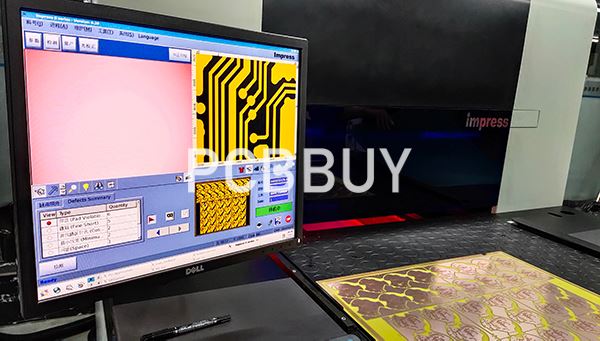
PCBBUY applies inline 3D SPI systems with micron-level accuracy to control solder paste consistency in fine-pitch and high-density designs.
What Is AOI (Automated Optical Inspection)?
AOI is a visual inspection method used after reflow soldering (and sometimes before). High-resolution cameras and image algorithms compare the assembled board against a reference model.
What AOI Detects
-
Missing or misaligned components
-
Polarity errors
-
Solder bridges and open joints (visible areas)
-
Incorrect part placement
AOI is fast and highly effective for surface-level defects, making it ideal for volume production.
PCBBUY capability highlight:
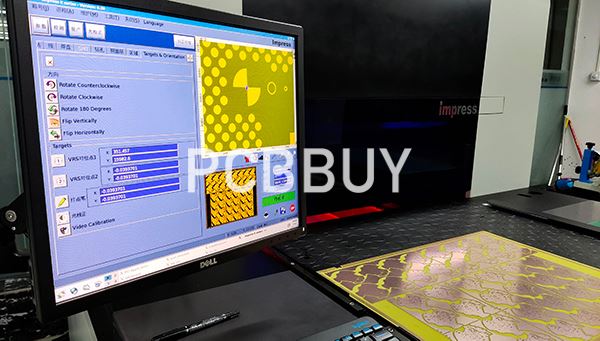
PCBBUY deploys multi-angle AOI systems capable of inspecting double-sided boards and complex SMT layouts with high repeatability.
What Is X-Ray Inspection?
X-ray inspection is designed for hidden solder joints that optical systems cannot see, such as BGA, QFN, LGA, and bottom-terminated components.
What X-Ray Inspection Reveals
-
BGA solder joint voids
-
Head-in-pillow defects
-
Cold solder joints
-
Internal shorts or opens
Unlike AOI, X-ray inspection can analyze internal solder structures, making it essential for high-reliability electronics.
PCBBUY capability highlight:
PCBBUY uses industrial 2D/3D X-ray inspection systems to meet the quality requirements of automotive, medical, and industrial control PCBA projects.
Difference Between AOI, SPI, and X-Ray Inspection (Comparison Table)
|
Inspection Method |
Inspection Stage |
Main Purpose |
Detectable Defects |
Best For |
|
SPI |
After solder paste printing |
Measure solder paste accuracy |
Insufficient/excess paste, misalignment |
Fine-pitch SMT, process control |
|
AOI |
After placement / reflow |
Visual inspection of assembly |
Missing parts, polarity errors, solder bridges |
High-volume SMT lines |
|
X-Ray |
After reflow |
Internal solder joint analysis |
BGA voids, hidden opens/shorts |
BGA, QFN, high-reliability PCBA |
How These Inspection Methods Work Together?
No single inspection method can cover all defect types. That’s why professional PCBA manufacturers combine SPI, AOI, and X-ray inspection into a layered quality assurance strategy:
-
SPI prevents solder-related defects at the source
-
AOI ensures correct component placement and visible solder quality
-
X-ray verifies hidden joints and internal integrity
At PCBBUY, inspection data is also used for process feedback and continuous improvement, not just defect detection.

Why Inspection Capability Matters When Choosing a PCBA Supplier?
For overseas customers, inspection capability directly impacts:
-
Product reliability
-
Field failure rates
-
Certification compliance (IPC, automotive, medical)
-
Long-term brand reputation
A supplier equipped with SPI + AOI + X-ray inspection can support:
-
HDI and fine-pitch designs
-
BGA-heavy layouts
-
Low-volume prototypes and mass production
-
High-mix, high-complexity assemblies
FAQ
Q1: Is AOI enough for BGA inspection?
No. AOI cannot see hidden solder joints under BGAs. X-ray inspection is required to evaluate BGA solder quality.
Q2: Does SPI replace AOI?
No. SPI focuses on solder paste quality before placement, while AOI checks components and solder joints after assembly. They serve different purposes.
Q3: Is X-ray inspection used on every board?
Typically no. X-ray is selectively used for critical components, first articles, or high-reliability products due to cost and inspection time.
Q4: When is SPI most important?
SPI is especially critical for fine-pitch components, 01005 passives, and dense SMT layouts, where solder volume control is crucial.
Q5: Can PCBBUY provide inspection reports?
Yes. PCBBUY can provide SPI, AOI, and X-ray inspection records upon request for customer verification and quality traceability.
Conclusion
Understanding the difference between AOI, SPI, and X-ray inspection allows buyers to better evaluate a PCBA manufacturer’s technical strength. A comprehensive inspection system not only detects defects but also improves yield, reliability, and production consistency.
With integrated SPI, AOI, and X-ray inspection capabilities, PCBBUY supports demanding PCBA projects for global customers seeking precision, reliability, and transparent quality control.
Industry Category