Differential Impedance PCB Fabrication for High-Speed Signal Integrity
By:PCBBUY 05/27/2026 15:31
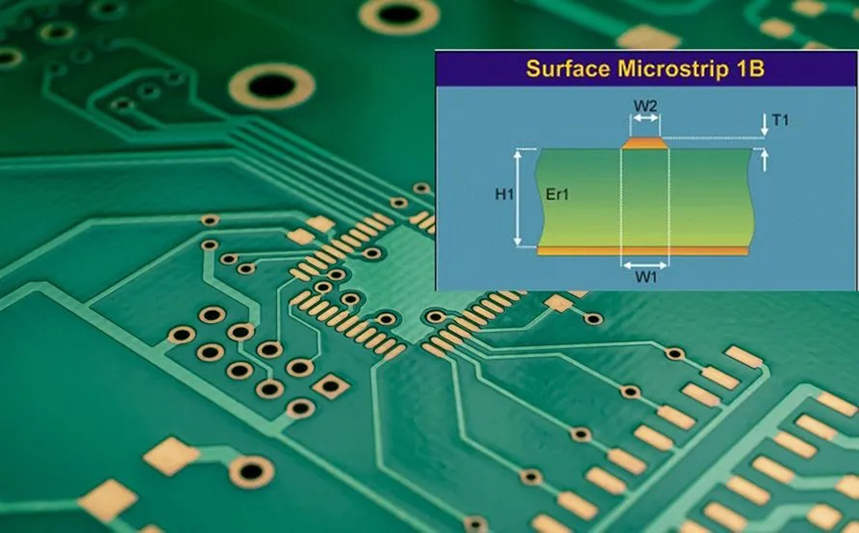
As data rates continue to increase, differential signaling has become the standard solution for high-speed and high-frequency electronic designs. Differential impedance PCB fabrication plays a critical role in ensuring signal integrity, electromagnetic compatibility, and long-term product reliability. Precise control of materials, geometry, and manufacturing processes is essential to achieve stable and repeatable impedance performance in mass production.
What Is Differential Impedance in PCB Manufacturing?
|
Item |
Description |
|
Definition |
Differential impedance is the combined impedance of two coupled signal traces carrying equal and opposite signals. |
|
Common Targets |
90Ω, 100Ω, or customized values depending on interface requirements. |
|
Typical Applications |
USB, HDMI, PCIe, Ethernet, SerDes, and other high-speed interfaces. |
|
Manufacturing Importance |
Even small variations in trace geometry or materials can cause impedance deviation and signal degradation. |
Key Factors Affecting Differential Impedance PCB Fabrication
|
Factor |
Manufacturing Impact |
|
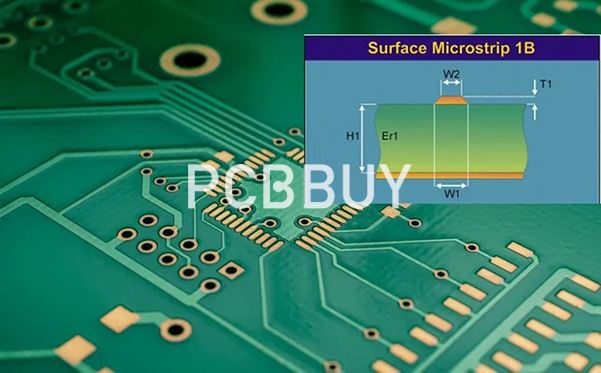
Trace Width |
Determines the base impedance of each signal line. |
|
Trace Spacing |
Controls coupling strength between differential pairs. |
|
Dielectric Thickness |
Affects electromagnetic field distribution. |
|
Dielectric Constant (Dk) |
Directly influences impedance calculation accuracy. |
|
Copper Thickness |
Changes effective conductor geometry after plating. |
Differential Impedance Fabrication Capabilities at
|
Process Area |
Capability Description |
|
Stack-Up Engineering |
Customized impedance-controlled stack-ups based on target values. |
|
Material Control |
Selection of stable FR-4 or high-frequency laminates with controlled Dk. |
|
Line Width Accuracy |
Tight etching tolerance to maintain trace geometry consistency. |
|
Dielectric Thickness Control |
Precise prepreg and core thickness management during lamination. |
|
Process Compensation |
Etching and plating compensation to achieve final impedance targets. |
Design and Manufacturing Considerations for Differential Pairs
|
Consideration |
Best Practice |
|
Symmetry |
Ensure both traces in a pair experience identical fabrication conditions. |
|
Length Matching |
Maintain tight length tolerance to minimize skew. |
|
Reference Plane Continuity |
Avoid plane splits beneath differential pairs. |
|
Via Transitions |
Minimize vias and maintain symmetric via structures. |
Impedance Verification and Quality Assurance
|
Verification Method |
Purpose |
|
Impedance Test Coupons |
Provide measurable structures for impedance validation. |
|
TDR Measurement |
Verifies actual differential impedance values. |
|
Process Monitoring |
Tracks consistency across etching and lamination stages. |
|
Lot-to-Lot Validation |
Ensures repeatability from prototype to volume production. |
Common Challenges in Differential Impedance PCB Fabrication
|
Challenge |
Manufacturing Solution |
|
Etching Variability |
Optimized process windows and real-time monitoring. |
|
Material Dk Variation |
Strict laminate batch management. |
|
Layer Misregistration |
High-precision alignment during multilayer lamination. |
|
Copper Thickness Fluctuation |
Controlled plating thickness and design compensation. |
Benefits of Reliable Differential Impedance Control
|
Customer Benefit |
Practical Value |
|
Improved Signal Integrity |
Reduced reflection, jitter, and eye diagram closure. |
|
Higher Data Rates |
Supports advanced high-speed protocols. |
|
Lower EMI Risk |
Better electromagnetic compatibility. |
|
Higher Production Yield |
Fewer electrical failures and rework cycles. |
|
Stable Scale-Up |
Consistent impedance from prototype to mass production. |
FAQ: Differential Impedance PCB Fabrication
Q1: What is differential impedance PCB fabrication?
A1: It is the manufacturing process of producing PCBs with precisely controlled geometry and materials to meet specified differential impedance requirements for high-speed signals.
Q2: How accurate can differential impedance be controlled in production?
A2: With proper stack-up design and process control, differential impedance can typically be maintained within ±10% or tighter, depending on application requirements.
Q3: Why is material selection important for differential impedance?
A3: Variations in dielectric constant directly affect impedance, making material stability critical for consistent electrical performance.
Q4: How is differential impedance verified on finished PCBs?
A4: Differential impedance is commonly verified using TDR testing on dedicated impedance-controlled coupons.
Q5: How does PCBBUY ensure stable differential impedance in mass production?
A5: PCBBUY combines stack-up engineering, controlled material selection, precision fabrication processes, and impedance testing to deliver reliable differential impedance PCB fabrication for high-speed applications.
Industry Category