Embedded Passive Components in PCB
By:PCBBUY 02/28/2026 14:33
Introduction
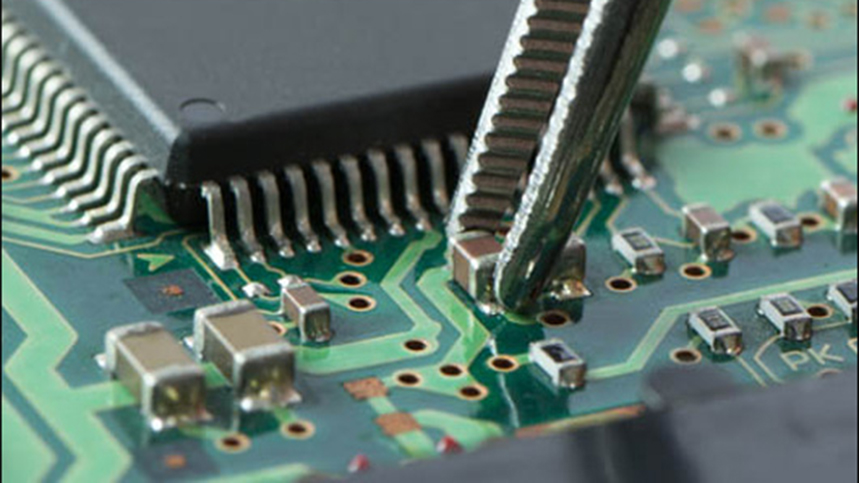
As electronic devices continue to shrink while performance requirements increase, traditional surface-mounted passive components face limitations in space, signal integrity, and reliability. Embedded passive components in PCB have emerged as an advanced manufacturing solution that integrates resistors and capacitors directly into the PCB structure.
This article explains embedded passive component technology from a manufacturing-focused perspective, highlighting process requirements, benefits, and production challenges.
What Are Embedded Passive Components in PCB?
Embedded passive components are resistors or capacitors that are integrated within the internal layers of a PCB rather than mounted on the surface.
|
Component Type |
Embedded Method |
|
Resistors |
Embedded resistive foil or printed resistive ink |
|
Capacitors |
Embedded capacitance materials between power/ground layers |
This approach transforms the PCB from a passive interconnect into a functional electrical structure.
Embedded vs Surface-Mounted Passive Components
|
Item |
Embedded Passive Components |
Surface-Mounted Components |
|
Board space usage |
Minimal |
Requires surface area |
|
Signal path length |
Short |
Longer |
|
High-frequency performance |
Excellent |
Limited |
|
Assembly steps |
Reduced |
More SMT processes |
|
Rework flexibility |
Low |
High |
Embedded passives are especially attractive for high-density and high-speed designs.
Manufacturing Technologies for Embedded Passive Components
|
Technology |
Description |
Manufacturing Complexity |
|
Resistive foil lamination |
Thin resistive material laminated into inner layers |
High |
|
Printed resistive ink |
Screen-printed resistive patterns |
Medium |
|
Embedded capacitance laminate |
High-Dk dielectric between planes |
High |
Each technology requires specialized process control and material qualification.
Key Manufacturing Process Steps
|
Process Step |
Manufacturing Focus |
|
Material selection |
Stable resistivity and dielectric constant |
|
Inner layer imaging |
High-resolution pattern accuracy |
|
Lamination |
Pressure and resin flow control |
|
Laser trimming |
Resistance value adjustment |
|
Electrical testing |
Resistance and capacitance validation |
Manufacturing embedded passives demands tighter tolerances than standard PCBs.
Electrical Performance Advantages
|
Performance Aspect |
Impact |
|
Signal integrity |
Reduced parasitic inductance |
|
Power integrity |
Lower PDN impedance |
|
EMI suppression |
Improved noise reduction |
|
High-frequency stability |
Better than discrete passives |
These benefits are most noticeable in RF, high-speed digital, and power-sensitive designs.
Design and Manufacturing Constraints
|
Constraint |
Description |
|
Resistance tolerance |
Requires trimming or compensation |
|
Material cost |
Higher than standard laminates |
|
Repairability |
Limited after lamination |
|
Process yield |
Sensitive to variation |
Close collaboration between design and manufacturing is essential.
Typical Applications of Embedded Passive Components
|
Application |
Reason for Adoption |
|
High-speed networking |
Signal integrity improvement |
|
RF modules |
Reduced parasitics |
|
Mobile devices |
Space saving |
|
Automotive electronics |
Reliability enhancement |
Not all designs require embedded passives, but they offer clear advantages in advanced applications.
Quality Control and Reliability Considerations
|
Control Area |
Method |
|
Resistance accuracy |
Laser trimming and measurement |
|
Lamination integrity |
Cross-section analysis |
|
Thermal reliability |
Thermal cycling tests |
|
Electrical stability |
Long-term aging tests |
Quality assurance is critical due to the non-reworkable nature of embedded components.
How PCBBUY Manufactures PCBs with Embedded Passive Components?
PCBBUY supports embedded passive component manufacturing through controlled engineering processes:
|
Capability Area |
Implementation |
|
Material qualification |
Verified resistive and capacitive laminates |
|
Stackup engineering |
Embedded layer integration |
|
Precision lamination |
Controlled pressure and temperature |
|
Electrical verification |
Resistance and capacitance testing |
This ensures stable performance from prototype to volume production.
Cost Impact and Production Considerations
|
Cost Factor |
Impact |
|
Material selection |
Increased raw material cost |
|
Process steps |
Additional lamination and trimming |
|
Yield control |
Higher process sensitivity |
|
Assembly savings |
Reduced SMT cost |
Total system cost may decrease despite higher PCB fabrication cost.
Conclusion
Embedded passive components in PCB represent a significant evolution in PCB manufacturing technology. By integrating resistors and capacitors into the PCB structure, designers achieve higher density, better electrical performance, and improved reliability.
However, successful implementation depends on manufacturing expertise, material control, and precise process execution.
FAQ
What passive components can be embedded in a PCB?
Typically resistors and capacitors. Inductors are rarely embedded due to complexity.
Are embedded passive components suitable for all PCBs?
No. They are best suited for high-density, high-frequency, or space-constrained designs.
Can embedded resistors achieve tight tolerance?
Yes, with laser trimming, tolerances of ±5% or better are achievable.
Is rework possible after embedding passives?
Generally no. Embedded components are not repairable after lamination.
Do embedded passive components reduce assembly cost?
Yes. They reduce SMT component count and assembly steps, offsetting higher PCB fabrication cost.
Industry Category