Heavy Copper PCB for EV Battery Management System
By:PCBBUY 07/31/2026 15:29
The rapid growth of electric vehicles (EVs) has created increasing demands for reliable battery management systems (BMS). As the core electronic control unit of an EV battery pack, the BMS is responsible for monitoring battery voltage, current, temperature, charging status, and safety protection.

Because EV battery systems operate with high current loads and demanding thermal conditions, the PCB inside the BMS must provide:
-
High current carrying capability
-
Excellent thermal management
-
Long-term mechanical reliability
-
Stable electrical performance
-
Resistance to harsh automotive environments
Traditional PCB designs may not be sufficient for high-power battery applications. Therefore, heavy copper PCB for EV battery management system has become an important solution for improving current handling capability and system reliability.
A heavy copper PCB uses thicker copper layers than standard PCBs, allowing higher current transmission while improving heat dissipation.
As an experienced PCB manufacturer, PCBBUY provides heavy copper PCB fabrication, multilayer PCB technology, high-TG material solutions, customized copper thickness, and strict reliability testing to support advanced EV battery management applications.
What Is a Heavy Copper PCB?
A heavy copper PCB refers to a printed circuit board manufactured with copper thickness significantly higher than conventional PCB designs.
Standard PCB copper thickness is usually:
-
1 oz (35 μm)
-
2 oz (70 μm)
Heavy copper PCBs typically use:
-
3 oz copper
-
4 oz copper
-
5 oz copper
-
6 oz or higher copper thickness
depending on current requirements and thermal conditions.
|
PCB Copper Type |
Typical Copper Thickness |
Applications |
|
Standard Copper PCB |
1–2 oz |
Consumer electronics |
|
Medium Copper PCB |
2–3 oz |
Industrial equipment |
|
Heavy Copper PCB |
3–6 oz |
Power electronics, EV systems |
|
Extreme Copper PCB |
6 oz+ |
High-current industrial applications |
Why EV Battery Management Systems Need Heavy Copper PCBs?
An EV battery management system must operate reliably under:
-
High charging current
-
High discharge current
-
Temperature fluctuations
-
Mechanical vibration
-
Long service lifetime requirements
Heavy copper PCBs provide several advantages.
|
Requirement |
Heavy Copper PCB Advantage |
|
High Current Flow |
Wider current paths reduce resistance |
|
Thermal Management |
Thick copper improves heat spreading |
|
Reliability |
Stronger conductors resist thermal stress |
|
Compact Design |
Integrates power and control circuits |
|
Automotive Durability |
Handles harsh operating environments |
Key Functions of PCB in EV Battery Management System
The BMS PCB performs several critical functions.
|
BMS Function |
PCB Requirement |
|
Cell Voltage Monitoring |
High-density signal routing |
|
Current Measurement |
High-current copper paths |
|
Battery Protection |
Reliable power circuits |
|
Thermal Monitoring |
Stable sensor connections |
|
Communication Control |
Controlled impedance signals |
|
Charging Management |
High-power handling capability |
Heavy Copper PCB Design Guidelines for EV BMS
1. Optimize Copper Thickness According to Current Requirements
Copper thickness directly affects current carrying capability.
Thicker copper reduces:
-
Electrical resistance
-
Voltage drop
-
Heat generation
|
Copper Thickness |
Typical Application |
|
1 oz |
Low-current control circuits |
|
2 oz |
General automotive electronics |
|
3 oz |
EV power management |
|
4–6 oz |
High-current BMS applications |
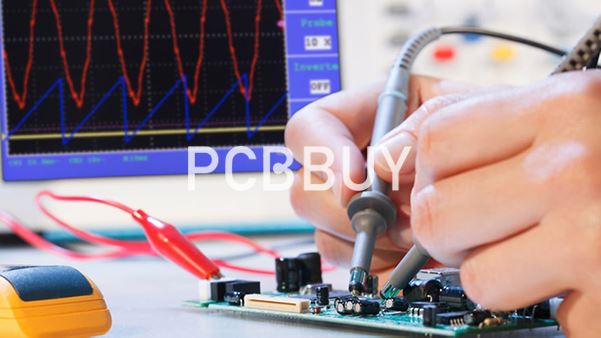
PCBBUY supports customized copper thickness solutions based on customer electrical requirements.
2. Design Proper High-Current Traces
Heavy copper PCB design requires careful consideration of:
-
Trace width
-
Copper thickness
-
Temperature rise
-
Current density
|
Design Factor |
Impact |
|
Wider Traces |
Higher current capacity |
|
Thicker Copper |
Lower resistance |
|
Shorter Current Paths |
Reduced power loss |
|
Rounded Corners |
Improved current distribution |
3. Improve Thermal Management
EV battery systems generate significant heat during:
-
Fast charging
-
High-power discharge
-
Continuous operation
Heavy copper layers help transfer heat away from critical components.
|
Thermal Solution |
Benefit |
|
Thick Copper Layers |
Better heat spreading |
|
Thermal Vias |
Transfer heat between layers |
|
Copper Areas |
Reduce hot spots |
|
Metal Heat Dissipation Structures |
Improve system stability |
4. Select Suitable PCB Materials for EV Applications
EV BMS PCBs require materials with excellent thermal and mechanical properties.
Important material characteristics include:
|
Material Property |
Importance |
|
High Tg |
Resists high operating temperatures |
|
Low CTE |
Reduces thermal stress |
|
High Thermal Stability |
Improves lifetime reliability |
|
Low Moisture Absorption |
Prevents environmental damage |
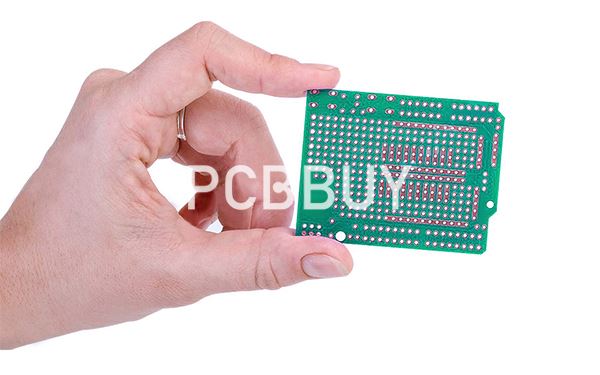
PCBBUY supports:
-
High-TG FR-4 materials
-
Halogen-free materials
-
Heavy copper multilayer structures
Heavy Copper PCB Manufacturing Challenges
Manufacturing heavy copper PCBs requires advanced process control.
1. Copper Plating Control
Thick copper plating must achieve:
-
Uniform thickness
-
Strong hole wall reliability
-
Stable electrical performance
|
Manufacturing Challenge |
Solution |
|
Uneven Copper Distribution |
Optimized plating parameters |
|
Via Reliability Issues |
Advanced copper filling technology |
|
Layer Stress |
Controlled lamination process |
2. Lamination and Thermal Stress Control
Heavy copper creates different expansion characteristics compared with standard PCB structures.
Manufacturers must control:
-
Resin flow
-
Layer bonding
-
Internal stress
to prevent:
-
Delamination
-
Warpage
-
Cracking
3. Etching Accuracy
Thick copper circuits require precise etching technology.
Challenges include:
-
Maintaining trace width
-
Preventing undercut
-
Controlling sidewall geometry
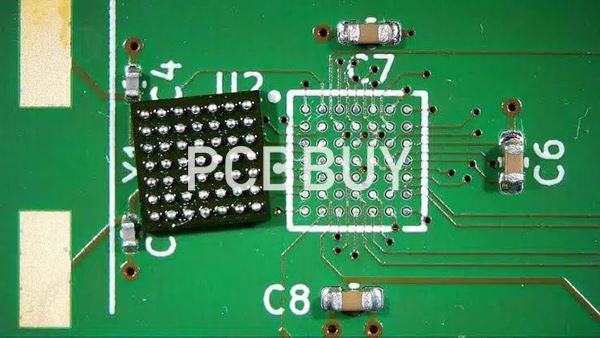
PCBBUY applies precision manufacturing control to maintain heavy copper circuit quality.
Heavy Copper PCB Surface Finish Selection
Surface finish selection affects solderability and long-term reliability.
|
Surface Finish |
Advantages |
Suitable Applications |
|
ENIG |
Excellent corrosion resistance |
Automotive electronics |
|
ENEPIG |
High reliability |
Advanced automotive systems |
|
HASL |
Cost-effective |
General power applications |
|
Immersion Silver |
Good conductivity |
High-frequency applications |
PCBBUY provides multiple surface finishing options according to application requirements.
Reliability Testing for EV Battery Management System PCBs
Automotive PCB reliability requires comprehensive testing.
|
Testing Method |
Purpose |
|
Thermal Cycling Test |
Evaluates temperature resistance |
|
Electrical Testing |
Verifies circuit performance |
|
Microsection Analysis |
Checks copper structure |
|
Copper Thickness Measurement |
Confirms plating quality |
|
AOI Inspection |
Detects manufacturing defects |
|
Solderability Testing |
Ensures assembly reliability |
PCBBUY Heavy Copper PCB Manufacturing Capabilities
For EV battery management system applications, PCBBUY provides:
|
Capability |
Customer Benefit |
|
Heavy Copper PCB Manufacturing |
Supports high-current applications |
|
Up to 10 oz Copper Capability |
Handles demanding power designs |
|
Multilayer PCB Production |
Supports complex BMS structures |
|
High-TG Materials |
Improves thermal reliability |
|
HDI Technology |
Enables compact electronics |
|
Advanced Testing System |
Ensures production quality |
PCBBUY supports PCB manufacturing from prototypes to volume production with strict process control.
Heavy Copper PCB vs Standard PCB for EV BMS
|
Feature |
Standard PCB |
Heavy Copper PCB |
|
Current Capacity |
Limited |
High |
|
Heat Dissipation |
Moderate |
Excellent |
|
Power Application Suitability |
Low |
High |
|
Mechanical Strength |
Standard |
Improved |
|
Automotive Reliability |
Moderate |
Excellent |
|
Manufacturing Cost |
Lower |
Higher |
Applications of Heavy Copper PCB in Electric Vehicles
Heavy copper PCBs are widely used in:
|
Application |
PCB Requirement |
|
Battery Management System |
High current and thermal stability |
|
Motor Controller |
Power switching capability |
|
Charging System |
High voltage/current handling |
|
DC-DC Converter |
Thermal reliability |
|
Energy Storage System |
Long-term durability |
Best Practices for Designing Heavy Copper PCB for EV BMS
|
Design Recommendation |
Benefit |
|
Define Current Requirements Early |
Select proper copper thickness |
|
Optimize Power Trace Layout |
Reduce voltage loss |
|
Use Thermal Simulation |
Improve heat management |
|
Select High-TG Materials |
Increase reliability |
|
Verify Manufacturing Capability |
Improve production yield |
|
Perform Reliability Testing |
Reduce field failures |
Conclusion
The increasing performance requirements of electric vehicles make PCB reliability a critical factor in battery management system design.
A heavy copper PCB for EV battery management system provides superior current carrying capability, improved thermal management, and enhanced long-term reliability compared with conventional PCB solutions.
However, manufacturing heavy copper PCBs requires advanced capabilities in copper plating, lamination control, thermal management, and reliability testing.
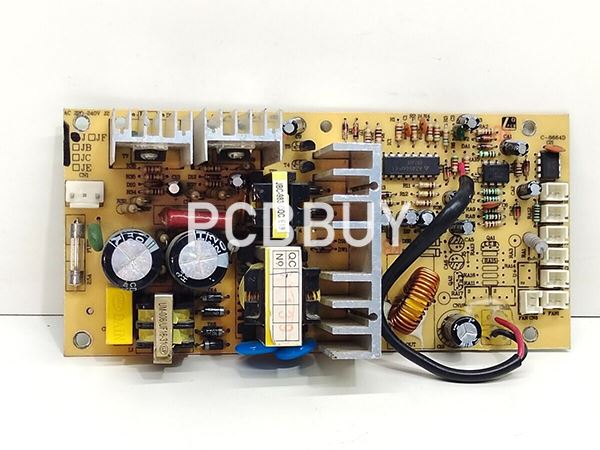
With expertise in heavy copper fabrication, multilayer PCB manufacturing, high-TG materials, HDI technology, and comprehensive quality inspection, PCBBUY delivers reliable PCB solutions for EV battery systems, power electronics, and automotive applications.
FAQ
1. What is a heavy copper PCB for EV battery management systems?
A heavy copper PCB is a circuit board with thicker copper layers designed to handle higher current loads and improve thermal performance in applications such as EV battery management systems.
2. Why does an EV BMS require a heavy copper PCB?
EV battery systems operate with high current and generate significant heat. Heavy copper PCBs provide:
-
Higher current capacity
-
Lower electrical resistance
-
Better heat dissipation
-
Improved reliability
3. How thick is the copper used in heavy copper PCBs?
Heavy copper PCBs typically use 3 oz to 6 oz copper, while some advanced applications may require 10 oz or higher copper thickness.
4. What materials are suitable for EV BMS PCBs?
Common materials include:
-
High-TG FR-4
-
Halogen-free laminates
-
Thermal-resistant PCB materials
These materials provide better reliability under automotive temperature conditions.
5. What are the main manufacturing challenges of heavy copper PCBs?
Major challenges include:
-
Copper thickness uniformity
-
Lamination control
-
Thermal stress management
-
Precision etching
-
Via reliability
6. Can heavy copper PCBs improve EV battery safety?
Yes. By improving current handling capability and thermal performance, heavy copper PCBs help maintain stable operation of battery monitoring and protection circuits.
7. What heavy copper PCB capabilities does PCBBUY provide?
PCBBUY supports heavy copper PCB manufacturing with customized copper thickness, multilayer PCB production, high-TG materials, advanced plating technology, HDI processing, and comprehensive reliability testing for EV and power electronics applications.
Industry Category