Inner Layer Alignment Accuracy Control in Multilayer PCB
By:PCBBUY 04/21/2026 15:40
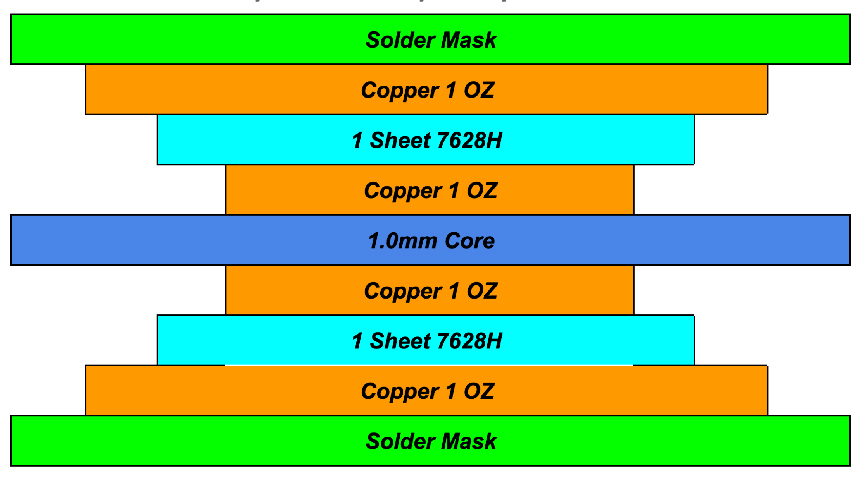
As electronic products continue to move toward higher density, finer line widths, and increased layer counts, inner layer alignment accuracy control in multilayer PCB manufacturing has become a core indicator of a PCB manufacturer’s engineering strength.
Accurate inner layer registration is essential to ensure electrical performance, structural integrity, and high-yield mass production, especially for HDI, high-speed, and high-reliability applications.
What Is Inner Layer Alignment in Multilayer PCB?
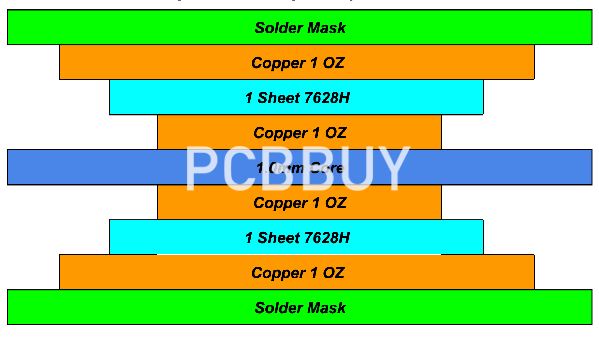
Inner layer alignment refers to the positional accuracy between individual inner copper layers during multilayer PCB lamination, ensuring that vias, pads, and traces are precisely aligned throughout the vertical stack.
|
Alignment Aspect |
Description |
|
X-Y registration |
Horizontal positional accuracy |
|
Layer-to-layer offset |
Deviation between adjacent layers |
|
Via-to-pad alignment |
Accuracy of drilled holes to inner pads |
|
Stack-up consistency |
Repeatability across panels |
Why Inner Layer Alignment Accuracy Matters?
|
Impact Area |
Risk of Poor Alignment |
|
Electrical connectivity |
Open circuits or weak interconnections |
|
Via reliability |
Annular ring breakout |
|
Impedance control |
Signal integrity deviation |
|
HDI structures |
Microvia failure |
|
Mass production yield |
Increased scrap and rework |
Main Causes of Inner Layer Misalignment
|
Root Cause |
Manufacturing Impact |
|
Inner layer material shrinkage |
Dimensional variation |
|
Lamination pressure imbalance |
Layer slippage |
|
Temperature inconsistency |
Differential expansion |
|
Inaccurate tooling holes |
Registration deviation |
|
Poor panel handling |
Cumulative alignment error |
Inner Layer Alignment Accuracy Control Methods in Multilayer PCB Manufacturing
1. Inner Layer Imaging & Dimensional Control
|
Control Aspect |
Manufacturing Practice |
Value Delivered |
|
Image scaling compensation |
Shrinkage prediction and adjustment |
Dimensional accuracy |
|
High-resolution LDI |
Precise pattern transfer |
Fine-line capability |
|
Environmental control |
Stable temperature & humidity |
Consistent results |
2. Tooling Hole & Registration System Control
|
Control Aspect |
Manufacturing Practice |
Value Delivered |
|
Precision tooling holes |
CNC-controlled drilling |
Reliable registration |
|
Optical alignment systems |
Camera-assisted alignment |
Reduced offset |
|
Registration pin control |
Tight tolerance pin systems |
Repeatable stacking |
3. Lamination Process Accuracy Control
|
Control Aspect |
Manufacturing Practice |
Value Delivered |
|
Pressure uniformity |
Multi-stage lamination pressure |
Layer stability |
|
Temperature profiling |
Controlled resin flow |
Minimal layer shift |
|
Layup discipline |
Standardized stacking procedures |
Process repeatability |
|
Lamination plate flatness |
Precision-ground tooling |
Panel-level accuracy |
4. Material Selection & Stack-Up Engineering
|
Control Aspect |
Manufacturing Practice |
Value Delivered |
|
Low-shrinkage materials |
Stable dielectric systems |
Predictable behavior |
|
CTE-matched prepregs |
Balanced expansion |
Reduced misregistration |
|
Symmetrical stack-ups |
Stress balance |
Improved alignment |
5. Drilling Accuracy & Via Registration
|
Control Aspect |
Manufacturing Practice |
Value Delivered |
|
X-ray drilling alignment |
Inner layer target detection |
Precise via positioning |
|
Controlled drill parameters |
Reduced bit wander |
Clean annular rings |
|
Sequential drilling strategy |
HDI compatibility |
Microvia reliability |
6. Inspection & Verification in Mass Production
|
Verification Method |
Purpose |
Quality Assurance |
|
X-ray inspection |
Inner layer alignment check |
Early defect detection |
|
Cross-section analysis |
Layer-to-layer accuracy |
Process validation |
|
SPC monitoring |
Trend analysis |
Long-term stability |
|
IPC tolerance verification |
Standards compliance |
Customer confidence |
Typical Alignment Accuracy Targets
|
PCB Type |
Typical Alignment Tolerance |
|
Standard multilayer PCB |
±75 μm |
|
High-layer-count PCB |
±50 μm |
|
HDI PCB |
±25–30 μm |
|
Advanced microvia PCB |
≤±20 μm |
(Actual tolerances depend on design, material, and application requirements.)
Applications Requiring High Inner Layer Alignment Accuracy
|
Application |
Reason |
|
HDI electronics |
Fine via structures |
|
High-speed digital PCBs |
Signal integrity |
|
Automotive electronics |
Reliability requirements |
|
Industrial control systems |
Long-term stability |
|
Communication & networking hardware |
Dense interconnections |
What Inner Layer Alignment Capability Says About a PCB Manufacturer?
A manufacturer with strong inner layer alignment accuracy control demonstrates:
-
Advanced process modeling and compensation ability
-
Mature lamination and registration systems
-
Reliable HDI and high-layer-count manufacturing
-
Stable mass production repeatability
This capability directly translates into higher yield, better reliability, and lower total cost for customers.
FAQ
FAQ 1: What is inner layer alignment in multilayer PCB manufacturing?
It is the positional accuracy between inner copper layers, ensuring vias and pads align correctly throughout the PCB stack.
FAQ 2: Why is inner layer alignment accuracy critical?
Poor alignment can cause annular ring loss, via failure, impedance deviation, and reduced manufacturing yield.
FAQ 3: How is inner layer alignment controlled during lamination?
Through precision tooling holes, optical registration systems, pressure and temperature control, and disciplined layup procedures.
FAQ 4: How is alignment accuracy verified?
By using X-ray inspection, cross-section analysis, SPC monitoring, and IPC standard checks.
FAQ 5: Is inner layer alignment more difficult in HDI PCBs?
Yes. Thinner materials, microvias, and higher layer counts significantly increase alignment difficulty and require advanced processes.
FAQ 6: Does better alignment control increase PCB cost?
While it adds process rigor, it reduces overall cost by improving yield, reliability, and assembly success.
Conclusion
Inner layer alignment accuracy control in multilayer PCB manufacturing is a cornerstone of high-end PCB production. Manufacturers with proven control methods can deliver precision-aligned, reliable, and assembly-ready PCBs at scale, supporting advanced electronic applications worldwide.
Industry Category