Laser Cut Stencil Thickness Selection for PCB Assembly
By:PCBBUY 04/30/2026 15:05
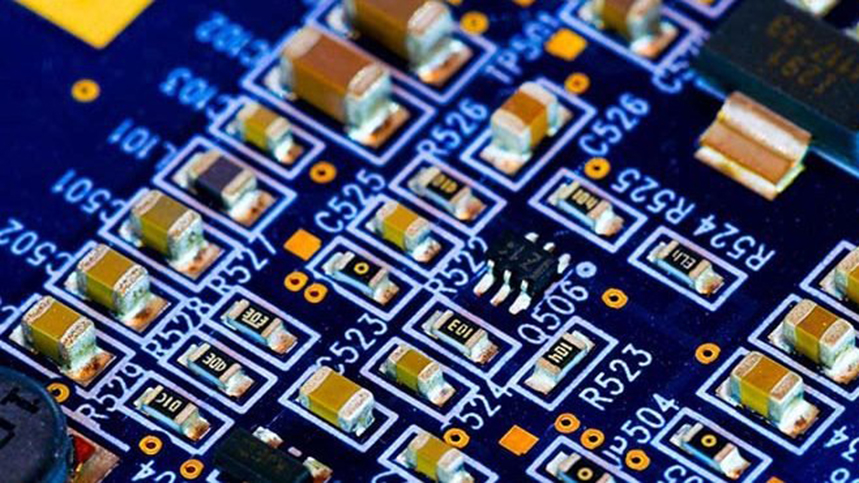
In modern electronics manufacturing, laser cut stencil thickness selection for PCB assembly plays a decisive role in solder paste printing quality, assembly yield, and long-term reliability.
As PCB designs evolve toward fine pitch, mixed technology, and high-density layouts, stencil thickness can no longer be chosen by rule of thumb—it must be engineered based on component, pad design, and process capability.
For professional PCBA manufacturers like PCBBUY, stencil thickness selection reflects not only SMT experience, but also DFM capability, process discipline, and mass production stability.
What Is a Laser Cut SMT Stencil?
A laser cut stencil is a precision-fabricated stainless steel template used to deposit solder paste onto PCB pads before component placement.
|
Item |
Description |
|
Fabrication method |
Laser cutting |
|
Common materials |
Stainless steel (SUS304 / SUS420) |
|
Thickness range |
0.08–0.20 mm |
|
Main function |
Control solder paste volume |
|
Quality impact |
Printing accuracy & defect rate |
Why Stencil Thickness Selection Matters in PCB Assembly?
|
Stencil Thickness Issue |
Assembly Risk |
|
Too thick |
Solder bridging, balling |
|
Too thin |
Insufficient solder, weak joints |
|
Mismatch with pad size |
Inconsistent printing |
|
Ignoring mixed components |
Yield instability |
Proper thickness selection is critical to balancing solder volume across all components on the board.
Common Laser Cut Stencil Thickness Options
|
Thickness (mm) |
Typical Application |
|
0.08 mm |
Ultra-fine pitch, micro-BGA |
|
0.10 mm |
Fine pitch SMT |
|
0.12 mm |
Standard SMT boards |
|
0.15 mm |
Mixed SMT & THT |
|
0.18–0.20 mm |
Power components |
Key Factors in Laser Cut Stencil Thickness Selection
1. Component Pitch & Pad Size
|
Component Type |
Recommended Thickness |
|
0.4–0.5 mm pitch QFP |
0.08–0.10 mm |
|
QFN / CSP |
0.08–0.10 mm |
|
Standard SMT ICs |
0.10–0.12 mm |
|
Connectors / power devices |
0.15 mm or step-up |
2. PCB Design & Pad Geometry
|
Design Factor |
Thickness Impact |
|
Small pad area |
Thinner stencil |
|
Large thermal pads |
Thicker or modified aperture |
|
Uneven pad distribution |
Step stencil recommended |
|
High-density layout |
Tight thickness tolerance |
3. Solder Paste Type
|
Paste Parameter |
Influence |
|
Particle size (Type 3/4/5) |
Finer paste supports thinner stencils |
|
Flux activity |
Affects paste release |
|
Metal content |
Impacts print volume |
Fine pitch boards often require Type 4 or Type 5 solder paste combined with thin stencils.
4. Area Ratio & Aspect Ratio Control
|
Parameter |
Typical Requirement |
|
Area ratio |
≥0.66 |
|
Aspect ratio |
≥1.5 |
|
Aperture wall smoothness |
High (laser + polishing) |
Thickness selection must support acceptable paste release efficiency.
Step Stencil Thickness Strategy for Mixed Assemblies
|
Scenario |
Solution |
Benefit |
|
Fine pitch + power devices |
Step-down fine pitch areas |
Prevent bridging |
|
SMT + THT |
Step-up THT pads |
Strong solder joints |
|
Mixed BOM density |
Hybrid stencil |
Single-pass printing |
Step stencils enable one-print-process compatibility across complex boards.
Laser Cutting Quality & Thickness Stability
|
Quality Aspect |
Manufacturing Control |
|
Laser accuracy |
±5 μm tolerance |
|
Aperture edge quality |
Smooth, burr-free |
|
Thickness consistency |
Uniform across stencil |
|
Post-processing |
Electropolishing |
High-quality laser cutting ensures consistent solder paste volume release, especially with thin stencils.
Inspection & Validation of Stencil Thickness Selection
|
Verification Method |
Purpose |
|
SPI (3D solder paste inspection) |
Volume & height measurement |
|
First article inspection |
Confirm printing results |
|
AOI |
Detect bridging or opens |
|
SPC tracking |
Maintain mass production stability |
Common SMT Defects Related to Incorrect Stencil Thickness
|
Defect |
Cause |
Thickness Optimization |
|
Solder bridging |
Too thick |
Reduce thickness |
|
Insufficient solder |
Too thin |
Increase thickness |
|
Tombstoning |
Paste imbalance |
Adjust local thickness |
|
Voiding |
Excess paste |
Aperture + thickness tuning |
What Stencil Thickness Selection Reveals About a PCBA Manufacturer?
A manufacturer skilled in laser cut stencil thickness selection for PCB assembly demonstrates:
-
Strong DFM-driven SMT engineering
-
Mature fine pitch and mixed-technology experience
-
Ability to support complex BOMs
-
Stable mass production yield
-
Reduced rework and field failure risk
This capability is a key indicator of high-end PCBA manufacturing competence.
FAQ
FAQ 1: What is the most common stencil thickness for PCB assembly?
0.10–0.12 mm is the most widely used range for standard SMT boards.
FAQ 2: Why are thinner stencils used for fine pitch components?
They reduce solder volume, preventing bridging and short circuits.
FAQ 3: When should a step stencil be used?
When a PCB contains both fine pitch ICs and large power or connector components.
FAQ 4: Does thinner stencil affect solder joint strength?
Not when properly matched with pad design and solder paste type.
FAQ 5: How is stencil thickness verified in production?
Through SPI measurements, first article inspection, and SPC monitoring.
FAQ 6: Does optimized stencil thickness reduce manufacturing cost?
Yes. It significantly lowers defects, rework, and scrap rates in volume production.

Conclusion
Laser cut stencil thickness selection for PCB assembly is a critical SMT engineering decision, directly impacting printing quality, yield, and reliability. Manufacturers with advanced stencil design and validation capabilities are better positioned to support fine pitch, mixed-technology, and high-reliability PCB assemblies for global customers.
Industry Category