Laser Microvia Drilling Quality Control in HDI PCB Manufacturing
By:PCBBUY 05/25/2026 16:32
What Is Laser Microvia Drilling?
|
Item |
Technical Explanation |
|
Definition |
Laser microvia drilling is a precision process used to create ultra-small vias (typically ≤100 µm) in HDI PCBs using UV or CO₂ laser technology. |
|
Typical Applications |
Smartphones, automotive electronics, medical devices, high-speed digital and RF circuits. |
|
Why Quality Control Matters |
Microvias directly affect electrical reliability, interconnection integrity, and long-term PCB performance. |
|
PCBBUY Capability |
PCBBUY applies production-grade quality control standards to laser microvia drilling for both prototype and volume manufacturing. |
Key Quality Risks in Laser Microvia Drilling
|
Quality Risk |
Impact on PCB Reliability |
|
Inconsistent Via Diameter |
Causes plating voids or impedance variation. |
|
Excessive Resin Residue |
Leads to poor copper adhesion and via failure. |
|
Over-Drilling |
Damages inner layer copper pads. |
|
Misalignment |
Results in breakout or insufficient annular ring. |
|
Thermal Damage |
Creates micro-cracks or carbonization. |
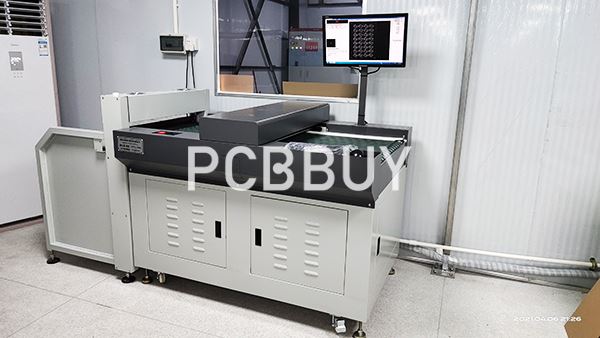
Laser Microvia Drilling Quality Control Methods at
|
Control Stage |
Quality Control Practice |
|
Material Qualification |
Controlled dielectric material selection with stable laser ablation behavior. |
|
Laser Parameter Optimization |
Precise control of laser wavelength, pulse energy, repetition rate, and focus depth. |
|
Drill Depth Control |
Layer-specific drilling recipes prevent inner layer copper damage. |
|
Registration Accuracy |
High-precision alignment systems ensure accurate via-to-pad positioning. |
|
Resin Residue Removal |
Dedicated desmear and plasma cleaning processes ensure clean via walls. |
Inspection and Verification of Laser Microvias
|
Inspection Method |
Purpose |
|
Optical Measurement |
Verifies via diameter, roundness, and position accuracy. |
|
Cross-Section Analysis |
Confirms via shape, depth accuracy, and copper target exposure. |
|
SEM Analysis (When Required) |
Evaluates microvia wall quality and resin removal effectiveness. |
|
Plating Adhesion Testing |
Ensures strong copper-to-dielectric bonding. |
|
Reliability Stress Testing |
Validates microvia integrity under thermal and mechanical stress. |
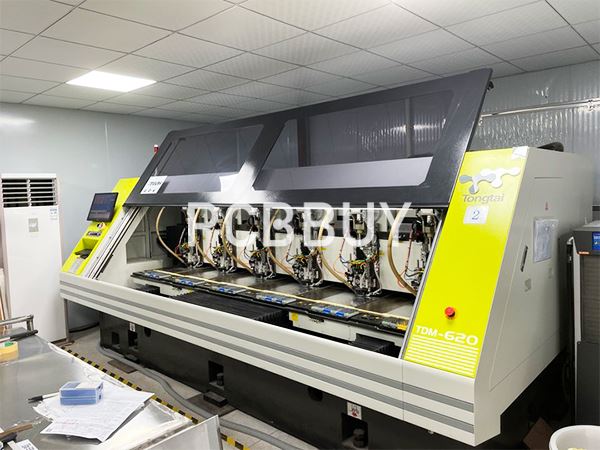
Laser Microvia Quality Control in Mass Production
|
Production Factor |
PCBBUY Control Strategy |
|
Recipe Standardization |
Laser drilling programs are standardized and locked per product. |
|
Statistical Process Control |
Continuous monitoring of via diameter and depth variation. |
|
Equipment Calibration |
Regular laser system calibration ensures long-term consistency. |
|
Process Traceability |
Full traceability from drilling to plating and final inspection. |
|
Yield Optimization |
Early defect detection reduces scrap and improves production yield. |
Typical Microvia Structures Supported
|
Structure Type |
Manufacturing Control Focus |
|
Staggered Microvias |
Controlled depth and alignment between layers. |
|
Stacked Microvias |
Enhanced drilling and plating quality control to prevent fatigue failure. |
|
Via-in-Pad Microvias |
Tight control of via geometry and copper filling processes. |
|
HDI Any-Layer |
Stable laser performance across multiple sequential lamination cycles. |
Why Laser Microvia Quality Control Matters for Customers?
|
Customer Benefit |
Explanation |
|
Higher Reliability |
Reduced risk of latent via failure in field operation. |
|
Better Signal Integrity |
Uniform via geometry supports high-speed designs. |
|
Improved Yield |
Fewer defects mean lower overall production cost. |
|
Design Freedom |
Enables advanced HDI layouts with finer pitch components. |
|
Scalable Production |
Stable processes from prototype to mass production. |

FAQ
Q1: What is laser microvia drilling quality control?
A1: It refers to systematic control of laser parameters, materials, alignment, and inspection to ensure consistent, reliable microvias in HDI PCBs.
Q2: What is the typical diameter of laser-drilled microvias?
A2: Common diameters range from 50 µm to 100 µm, depending on material and design requirements.
Q3: Why is resin residue removal critical after laser drilling?
A3: Residual resin can prevent proper copper plating and lead to early via failure.
Q4: Can laser microvias be used in mass production?
A4: Yes. With standardized recipes, SPC monitoring, and proper inspection, laser microvias are fully suitable for volume manufacturing.
Q5: How does PCBBUY ensure microvia reliability?
A5: Through optimized laser drilling parameters, controlled desmear processes, cross-section verification, and reliability testing across production stages.
Industry Category