Moisture Absorption Effects on PCB Performance
By:PCBBUY 06/26/2026 11:27
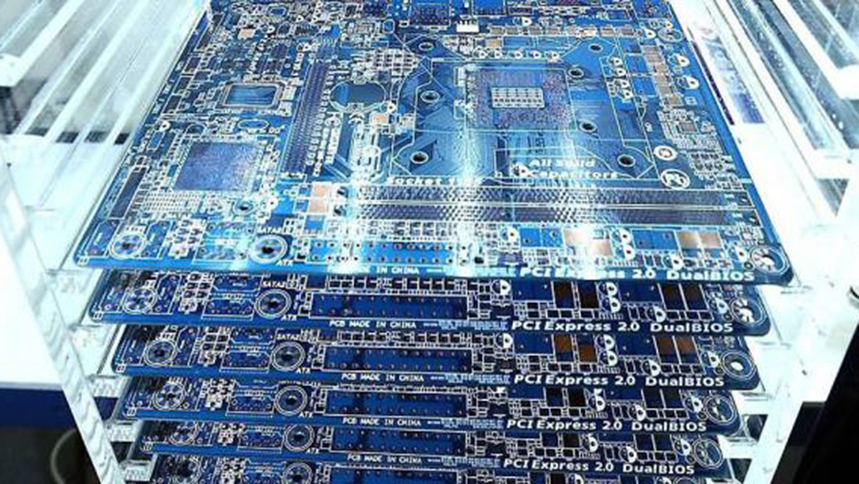
Moisture absorption is a critical but often underestimated factor that directly affects PCB performance and long-term reliability. When printed circuit boards absorb moisture during storage, fabrication, or assembly, it can lead to electrical instability, mechanical damage, and even catastrophic failure during soldering.
Understanding the moisture absorption effects on PCB performance is essential for engineers and buyers selecting a reliable PCB manufacturer for high-quality electronics.
At PCBBUY, moisture control is treated as a core process parameter across material selection, lamination, storage, and SMT preparation.
What Is Moisture Absorption in PCBs?
Moisture absorption refers to the uptake of water molecules by PCB base materials, such as FR-4 cores and prepregs. These materials are inherently hygroscopic to varying degrees.
Moisture can be absorbed during:
-
Raw material storage
-
PCB fabrication processes
-
Transportation and warehousing
-
Pre-SMT handling before reflow
Once absorbed, moisture expands rapidly when exposed to heat, creating internal stress inside the PCB structure.
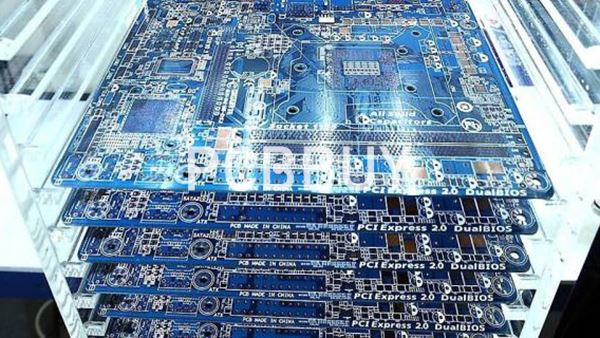
Moisture Absorption Effects on PCB Performance
1. Delamination and Blistering
During reflow soldering, absorbed moisture vaporizes and expands. This internal pressure can cause:
-
Layer separation (delamination)
-
Surface blistering
-
Pad lifting
These defects permanently compromise PCB structural integrity.
2. Electrical Performance Degradation
Moisture alters the dielectric properties of PCB materials, resulting in:
-
Impedance drift
-
Signal loss in high-speed circuits
-
Reduced insulation resistance
-
Increased leakage current
This is especially critical for high-frequency and controlled-impedance PCBs.
3. Reduced Mechanical Strength
Repeated moisture absorption and evaporation cycles weaken resin bonds, increasing the risk of:
-
Cracking
-
Warpage
-
Via reliability failure
This reduces PCB lifespan in thermal cycling environments.
4. Reliability Failures During SMT Assembly
Moisture-related defects often occur during:
-
Lead-free reflow
-
Multiple rework cycles
-
High-temperature selective soldering
Even a well-designed PCB can fail if moisture is not properly controlled before SMT.
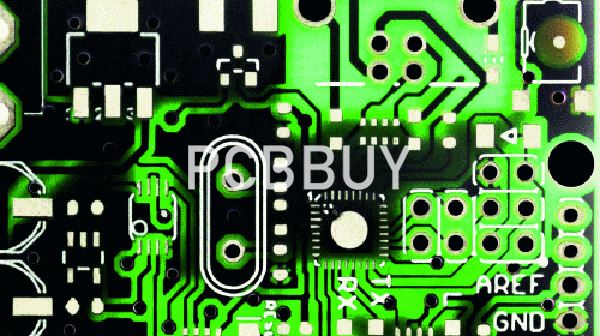
Common Sources of Moisture in PCB Manufacturing
|
Moisture Source |
Typical Scenario |
Impact on PCB |
|
Improper storage |
Open warehouse environment |
Gradual moisture absorption |
|
Long transit time |
Overseas shipping |
Hidden moisture buildup |
|
No pre-bake |
Direct SMT after unpacking |
Reflow delamination |
|
Low-quality laminates |
High water absorption rate |
Electrical instability |
|
High humidity assembly |
Poor environment control |
Reduced reliability |
How PCBBUY Controls Moisture Absorption?
To minimize moisture absorption effects on PCB performance, PCBBUY applies multiple preventive measures throughout manufacturing:
Material-Level Control
-
Selection of low-moisture-absorption laminates
-
High-Tg and halogen-free material options for harsh environments
-
Verified material compatibility in multilayer stackups
Process-Level Control
-
Controlled lamination profiles to ensure full resin curing
-
Optimized drilling and plating to prevent moisture ingress paths
-
Moisture-sensitive process segmentation for high-layer boards
Storage & SMT Preparation
-
Vacuum packaging with desiccants
-
Controlled warehouse humidity
-
Standardized PCB pre-baking procedures before SMT assembly
These measures significantly reduce moisture-related failures during reflow and long-term operation.
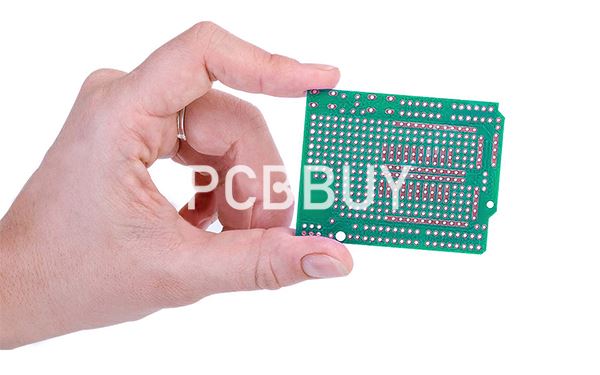
Moisture Absorption vs Prevention Methods
|
Moisture Effect |
Root Cause |
PCBBUY Prevention Method |
|
Delamination |
Vapor expansion during reflow |
Pre-bake + material control |
|
Impedance drift |
Dielectric constant change |
Low-Dk laminate selection |
|
Blistering |
Trapped internal moisture |
Vacuum packaging |
|
Insulation failure |
Moisture diffusion |
Process environment control |
|
Reduced lifespan |
Resin degradation |
High-Tg material usage |
Why Moisture Control Matters for Global Buyers?
For overseas customers, uncontrolled moisture absorption can lead to:
-
Assembly yield loss
-
Field failures after shipment
-
Costly rework or recalls
-
Compliance risks for industrial and automotive electronics
Choosing a PCB supplier with systematic moisture management capability is essential for stable, scalable production.
FAQ
Q1: Can moisture absorption be completely avoided in PCBs?
No. PCB materials naturally absorb some moisture, but proper manufacturing and handling can reduce it to safe levels.
Q2: Is moisture absorption more critical for multilayer PCBs?
Yes. Thicker and high-layer-count PCBs trap moisture more easily and require stricter control.
Q3: Does pre-baking always solve moisture problems?
Pre-baking is effective, but it must be combined with proper storage and material selection to be reliable.
Q4: How does moisture affect high-speed PCB performance?
Moisture changes the dielectric constant, causing signal integrity degradation and impedance inconsistency.
Q5: Does PCBBUY support moisture-sensitive PCB projects?
Yes. PCBBUY provides material consultation, moisture control processes, and SMT-ready PCB preparation for moisture-sensitive applications.
Conclusion
Understanding moisture absorption effects on PCB performance is essential for building reliable electronic products. Moisture-related issues are not random defects—they are predictable and preventable through proper materials, processes, and handling.
With strict moisture control from material sourcing to SMT preparation, PCBBUY delivers PCBs designed for stability, reliability, and global manufacturing requirements.
Industry Category