How Storage, Handling, and Manufacturing Control Affect PCB Reliability
By:PCBBUY 06/30/2026 10:54
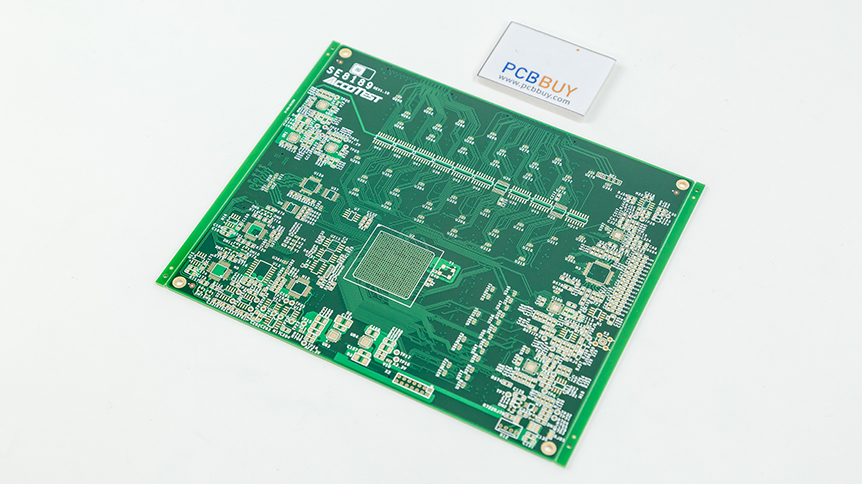
OSP (Organic Solderability Preservative) is a widely used PCB surface finish due to its flat surface, excellent initial solderability, and cost efficiency. However, compared with metallic finishes, OSP surface finish shelf life and solderability are more sensitive to storage conditions and process control.
Understanding these limitations is critical for achieving consistent assembly quality and long-term reliability—especially for overseas PCB buyers.
At PCBBUY, OSP reliability is ensured through controlled chemistry, standardized packaging, and SMT-oriented process management.
What Is OSP Surface Finish?
OSP is an organic coating applied directly onto bare copper to protect it from oxidation. Unlike ENIG or HASL, OSP does not add a metal layer—it relies entirely on a thin organic film.
Key characteristics:
-
Very flat surface
-
Excellent initial solderability
-
No added conductive metal layer
-
Environmentally friendly
However, these advantages come with limited shelf life and handling sensitivity.
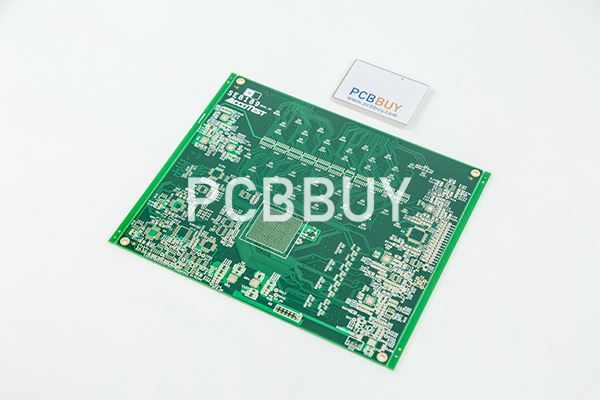
OSP Surface Finish Shelf Life Explained
The typical shelf life of OSP-finished PCBs ranges from 3 to 12 months, depending on:
-
OSP chemistry formulation
-
Copper surface preparation quality
-
Packaging method
-
Storage environment (temperature and humidity)
OSP coatings gradually degrade when exposed to:
-
Oxygen
-
Moisture
-
Heat
-
Direct handling
Once the organic layer deteriorates, copper oxidation accelerates, directly reducing solderability.
How Shelf Life Affects OSP Solderability?
As OSP ages:
-
Solder wetting speed decreases
-
Higher reflow temperatures may be required
-
Risk of non-wetting or dewetting increases
-
Assembly yield becomes less predictable
These effects are especially critical for:
-
Fine-pitch components
-
BGA and QFN packages
-
Multiple reflow or rework cycles
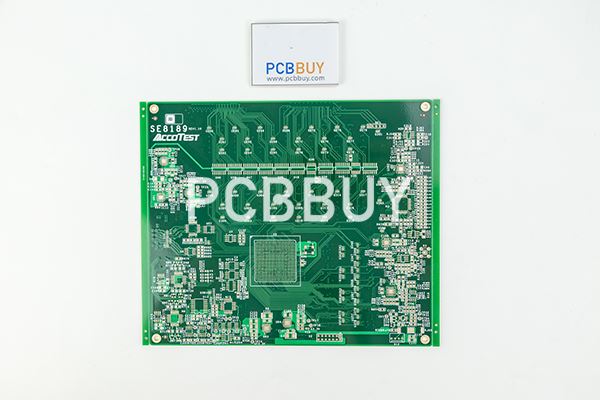
Common Causes of OSP Solderability Degradation
|
Cause |
Description |
Impact |
|
Long storage time |
Exceeding recommended shelf life |
Poor wetting |
|
High humidity |
Moisture penetration |
Oxidized copper |
|
Improper packaging |
No vacuum or desiccant |
Rapid degradation |
|
Excessive handling |
Finger oils damage OSP |
Local solder defects |
|
Aggressive reflow |
Overheating during SMT |
OSP breakdown |
OSP vs Other Surface Finishes (Shelf Life & Solderability)
|
Surface Finish |
Typical Shelf Life |
Solderability Stability |
Flatness |
|
OSP |
3–12 months |
High initially, degrades over time |
Excellent |
|
ENIG |
12+ months |
Very stable |
Excellent |
|
ENEPIG |
12+ months |
Extremely stable |
Excellent |
|
Immersion Silver |
6–12 months |
Sensitive to storage |
Very good |
|
Lead-Free HASL |
12+ months |
Very stable |
Uneven |
How PCBBUY Ensures Reliable OSP Performance?
PCBBUY treats OSP not as a “low-end finish,” but as a process-sensitive reliability option.
OSP Process Control
-
Controlled copper micro-etch preparation
-
Stable OSP chemical concentration management
-
Uniform coating thickness verification
Packaging & Storage Management
-
Vacuum-sealed packaging with desiccants
-
Moisture barrier protection for overseas shipment
-
Clear shelf-life identification and handling guidelines
SMT-Oriented Delivery
-
OSP boards prepared for immediate SMT use
-
Pre-SMT condition evaluation for long-stored boards
-
Process compatibility with lead-free reflow profiles
These controls help ensure that OSP boards maintain consistent solderability within their intended shelf life.
When OSP Is a Good Choice for High-Reliability PCBs?
OSP can be suitable for high-reliability applications when:
-
Assembly occurs shortly after delivery
-
Storage conditions are well controlled
-
The design requires excellent planarity
-
Cost and signal performance are priorities
For long storage or harsh environments, metallic finishes may be more appropriate.

Common Mistakes When Using OSP Surface Finish
-
Treating OSP shelf life like ENIG
-
Storing boards in uncontrolled humidity
-
Skipping vacuum packaging
-
Using aged OSP boards for fine-pitch assembly
These issues are avoidable with proper manufacturing and handling guidance.
FAQ
Q1: How long can OSP PCBs be stored safely?
Typically 3–12 months, depending on storage conditions and OSP formulation.
Q2: Can expired OSP boards still be soldered?
In some cases yes, but solderability becomes unpredictable and should be evaluated before assembly.
Q3: Is OSP suitable for lead-free reflow?
Yes, when properly processed and assembled within shelf life.
Q4: Does OSP support fine-pitch components?
Yes. OSP offers excellent flatness, but requires strict shelf-life and handling control.
Q5: Does PCBBUY support OSP reliability consultation?
Yes. PCBBUY provides surface finish selection advice, packaging control, and SMT-oriented delivery support for OSP projects.
Conclusion
Understanding OSP surface finish shelf life and solderability is essential for achieving stable PCB assembly results. OSP is not unreliable by nature—it is process- and time-sensitive.
With controlled OSP processing, proper packaging, and SMT-ready delivery, PCBBUY ensures that OSP-finished PCBs meet both performance and reliability expectations for global customers.
Industry Category