PCB Anti-Oxidation Techniques During Storage and Transit: Methods, Challenges, and Quality Assurance
By:PCBBUY 07/30/2026 14:16
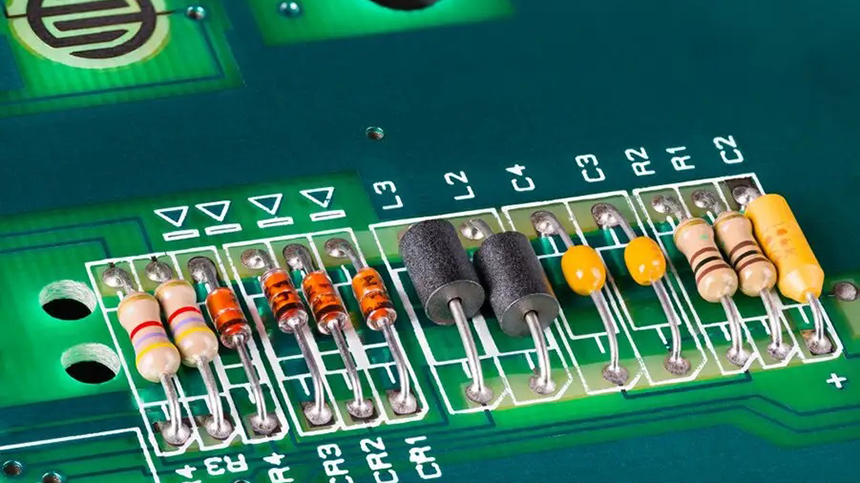
During PCB manufacturing, storage, and international transportation, copper surfaces are vulnerable to oxidation caused by oxygen, moisture, temperature changes, and environmental contaminants.
Copper oxidation can negatively affect:
-
Solderability
-
Electrical conductivity
-
Surface finish reliability
-
Assembly yield
-
Long-term product performance
For global electronics manufacturers, ensuring effective PCB anti-oxidation techniques during storage and transit is essential to maintain PCB quality from factory delivery to final assembly.
A reliable PCB supplier must not only control fabrication processes but also provide proper surface finishing, packaging methods, environmental protection, and storage recommendations.
As a professional PCB manufacturer, PCBBUY applies advanced surface treatment technologies, strict quality control procedures, and moisture-resistant packaging solutions to protect PCB performance throughout storage and transportation.
What Causes PCB Oxidation During Storage and Transit?
Copper is widely used in PCB manufacturing because of its excellent electrical conductivity. However, copper naturally reacts with oxygen and moisture in the environment, forming copper oxide layers.
The main factors causing PCB oxidation include:
|
Oxidation Factor |
Impact on PCB |
|
Humidity Exposure |
Accelerates copper oxidation |
|
Oxygen Contact |
Forms copper oxide layers |
|
Long Storage Time |
Reduces solderability |
|
Temperature Fluctuation |
Causes moisture condensation |
|
Improper Packaging |
Allows contamination and corrosion |
|
Chemical Contamination |
Damages copper surfaces |
For international PCB shipments, long-distance transportation may expose boards to different climates, making anti-oxidation protection especially important.
How PCB Oxidation Affects Manufacturing and Assembly?
Oxidized PCB surfaces can create several production issues.
|
Oxidation Problem |
Manufacturing Impact |
|
Copper Oxide Formation |
Poor solder wetting |
|
Increased Surface Resistance |
Electrical performance degradation |
|
Surface Contamination |
Reduced assembly reliability |
|
Poor Pad Solderability |
Higher solder defects |
|
Corrosion Damage |
Shortened product lifetime |
For fine-pitch components, BGA packages, and high-density assemblies, even minor surface oxidation may affect solder joint reliability.
Common PCB Anti-Oxidation Techniques
PCB manufacturers use multiple protection methods depending on application requirements, storage duration, and assembly process.
1. Organic Solderability Preservative (OSP) Surface Treatment
OSP is one of the most common PCB anti-oxidation methods.
It creates a thin organic protective film on exposed copper surfaces, preventing oxidation while maintaining excellent solderability.
OSP Advantages
|
Feature |
Benefit |
|
Copper Protection |
Prevents oxidation during storage |
|
Flat Surface |
Suitable for fine-pitch components |
|
Lead-Free Compatible |
Supports modern assembly requirements |
|
Cost Effective |
Suitable for large-volume production |
OSP Limitations
|
Challenge |
Description |
|
Limited Storage Life |
Requires controlled storage conditions |
|
Handling Sensitivity |
Easily damaged by contamination |
|
Multiple Reflow Limit |
Protection may degrade after repeated heating |
OSP is widely used for consumer electronics, communication products, and high-density PCB assemblies.
2. Electroless Nickel Immersion Gold (ENIG)
ENIG provides excellent oxidation resistance by covering copper with a nickel barrier layer and a thin gold coating.
ENIG Structure
|
Layer |
Function |
|
Copper |
PCB conductor |
|
Nickel Layer |
Prevents copper diffusion |
|
Gold Layer |
Protects surface and improves solderability |
ENIG Benefits
|
Advantage |
Application Benefit |
|
Excellent Corrosion Resistance |
Long storage capability |
|
Flat Surface |
Suitable for fine-pitch devices |
|
Good Shelf Life |
Supports global logistics |
|
Wire Bond Compatibility |
Advanced packaging applications |
PCBBUY supports ENIG surface finishing for high-reliability PCB applications requiring stable storage performance.

3. Electroless Nickel Electroless Palladium Immersion Gold (ENEPIG)
ENEPIG provides enhanced protection compared with traditional surface finishes.
It is commonly used in:
-
Semiconductor packaging
-
Automotive electronics
-
High-reliability products
-
Aerospace applications
|
ENEPIG Layer |
Function |
|
Nickel |
Copper barrier protection |
|
Palladium |
Prevents nickel corrosion |
|
Gold |
Provides excellent contact performance |
Advantages:
-
Superior oxidation resistance
-
Excellent solder joint reliability
-
Suitable for wire bonding
-
Long storage stability
4. Vacuum Packaging and Moisture Barrier Protection
Surface finishing alone is not enough. Proper packaging is critical during PCB storage and transit.
PCBBUY uses professional packaging methods including:
|
Packaging Method |
Purpose |
|
Vacuum-Sealed Bags |
Blocks oxygen and moisture |
|
Desiccant Packs |
Absorbs humidity |
|
Humidity Indicator Cards |
Monitors moisture exposure |
|
Protective Foam |
Prevents mechanical damage |
|
Anti-Static Packaging |
Protects electronic performance |
5. Temperature and Humidity Controlled Storage
Environmental control plays an important role in preventing oxidation.
Recommended PCB storage conditions:
|
Parameter |
Recommended Control |
|
Temperature |
Room temperature environment |
|
Relative Humidity |
Controlled below critical levels |
|
Storage Area |
Clean and dust-free |
|
Exposure Time |
Minimize open-air exposure |
PCBBUY manages production and storage environments to reduce oxidation risks before shipment.
Comparison of PCB Surface Finishes for Oxidation Resistance
Different surface finishes provide different levels of oxidation protection.
|
Surface Finish |
Oxidation Resistance |
Storage Capability |
Typical Applications |
|
OSP |
Good |
Medium |
Consumer electronics |
|
ENIG |
Excellent |
Long |
High-density PCB assembly |
|
ENEPIG |
Excellent+ |
Very Long |
Automotive, semiconductor |
|
HASL |
Moderate |
Medium |
General PCB applications |
|
Immersion Silver |
Good |
Medium |
High-frequency applications |
PCB Anti-Oxidation Quality Control Process at PCBBUY
To ensure PCB reliability during storage and transportation, PCBBUY implements multiple quality control procedures.
1. Surface Finish Inspection
Quality engineers verify:
-
Surface coating thickness
-
Uniformity
-
Appearance quality
-
Solderability performance
2. Environmental Control During Manufacturing
PCBBUY controls:
-
Workshop cleanliness
-
Humidity conditions
-
Chemical process parameters
-
Material handling procedures
3. Reliability Testing
Common inspection methods include:
|
Test Method |
Purpose |
|
Solderability Test |
Evaluates solder performance |
|
Surface Inspection |
Detects oxidation or contamination |
|
Microsection Analysis |
Verifies plating structure |
|
Thickness Measurement |
Confirms surface finish quality |
|
Electrical Testing |
Ensures PCB functionality |
PCBBUY Capabilities for Reliable PCB Storage and Transit Protection
For customers requiring stable PCB performance after international shipping, PCBBUY provides:
|
Capability |
Customer Benefit |
|
Multiple Surface Finishes |
Flexible oxidation protection solutions |
|
ENIG & ENEPIG Processing |
Suitable for long-term storage |
|
High Precision PCB Manufacturing |
Supports advanced applications |
|
HDI PCB Production |
Reliable fine-pitch assembly support |
|
Strict Packaging Control |
Protects boards during transportation |
|
Complete Inspection System |
Ensures consistent quality |
PCBBUY supports PCB production from prototype quantities to volume manufacturing while maintaining strict quality standards.
Best Practices for PCB Storage After Delivery
Customers can further extend PCB shelf life by following proper storage practices.
|
Recommendation |
Purpose |
|
Keep Vacuum Packaging Sealed |
Prevent moisture exposure |
|
Store in Dry Environment |
Reduce oxidation risk |
|
Avoid Frequent Handling |
Prevent contamination |
|
Follow FIFO Management |
Prevent excessive storage time |
|
Bake PCBs When Required |
Remove absorbed moisture |
Conclusion
Effective PCB anti-oxidation techniques during storage and transit are essential for maintaining PCB solderability, reliability, and assembly performance.
From selecting suitable surface finishes such as OSP, ENIG, and ENEPIG to applying moisture-resistant packaging and strict environmental controls, every step contributes to PCB quality preservation.
With advanced PCB manufacturing capabilities, professional surface treatment technologies, and comprehensive quality assurance systems, PCBBUY helps global customers receive reliable PCBs with stable performance from production to final assembly.
FAQ
1. Why do PCBs need anti-oxidation protection?
PCBs contain exposed copper surfaces that can react with oxygen and moisture. Oxidation reduces solderability and may affect electrical reliability during assembly.
2. What is the best PCB surface finish for oxidation resistance?
ENIG and ENEPIG provide excellent oxidation resistance and longer storage capability compared with many other surface finishes.
3. How does OSP protect PCBs from oxidation?
OSP forms a thin protective organic layer on copper surfaces, preventing oxidation while maintaining good solderability during assembly.
4. How should PCBs be packaged for international shipping?
Recommended packaging includes:
-
Vacuum sealing
-
Moisture barrier bags
-
Desiccants
-
Humidity indicators
-
Anti-static protection
5. How long can PCBs be stored before assembly?
Storage life depends on surface finish, packaging method, and environmental conditions. ENIG and ENEPIG generally provide longer storage capability than untreated copper surfaces.
6. Can PCB oxidation affect solder joints?
Yes. Oxidized copper surfaces can reduce solder wetting quality, increase solder defects, and negatively affect solder joint reliability.
7. What anti-oxidation solutions does PCBBUY provide?
PCBBUY provides multiple surface finish options including OSP, ENIG, ENEPIG, HASL, and immersion finishes, combined with professional packaging and inspection processes to protect PCB quality during storage and transit.
Industry Category