PCB Component Sizes Guide for Modern PCB Assembly
By:PCBBUY 12/16/2025 17:30
PCB Component Sizes: Why They Matter in PCB Assembly
In PCB manufacturing, pcb component sizes directly affect layout density, solder joint reliability, and overall assembly yield. Component size selection must be aligned with SMT capability, stencil design, placement accuracy, and inspection methods.
At PCBBUY, we work with a wide range of component sizes every day—from standard 0603 resistors to ultra-small 0201 packages. Understanding how these sizes impact manufacturing helps customers make better design decisions and avoid costly revisions later.
What Are PCB Component Sizes?
PCB component sizes refer to the physical dimensions of electronic components mounted on a printed circuit board. They generally fall into two categories:
-
Surface Mount Devices (SMD)
-
Through-Hole Technology (THT) components
Each size standard defines not only the component itself, but also the footprint design, soldering method, and assembly tolerance.
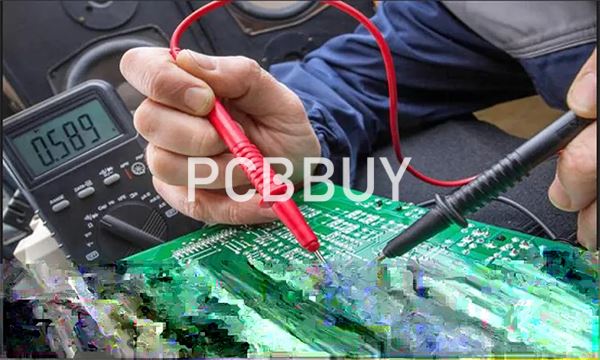
Classification of PCB Component Sizes
Surface Mount Device (SMD) Sizes
SMD component sizes are standardized and typically defined in imperial or metric formats:
-
1206 / 3216
-
0805 / 2012
-
0603 / 1608
-
0402 / 1005
-
0201 / 0603
Smaller pcb component sizes increase placement density but reduce process margin.
Common PCB Component Sizes Used in SMT Assembly
Standard SMD Component Sizes
Some of the most commonly used SMD sizes in PCB assembly include:
|
Component Size |
Typical Application |
|
1206 |
Power circuits, industrial boards |
|
0805 |
General-purpose electronics |
|
0603 |
Consumer electronics |
|
0402 |
Compact and high-density designs |
|
0201 |
Wearables, medical, advanced devices |
Smaller pcb component sizes allow for higher circuit density but demand stricter control during printing, placement, and reflow soldering.
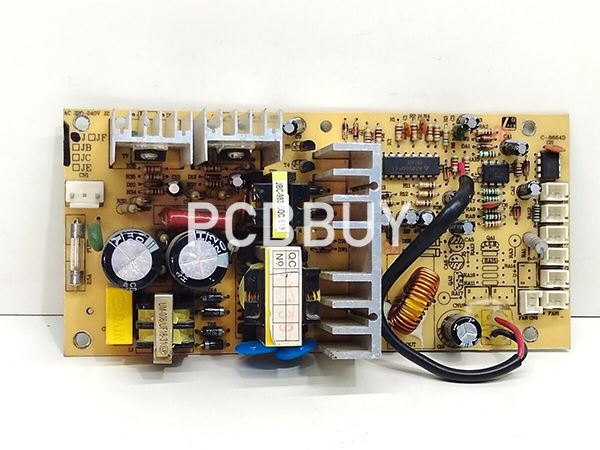
Small PCB Component Sizes and High-Density PCB Design
As electronic products continue to shrink, designers increasingly choose smaller component packages such as 0402 and 0201. These sizes are common in:
-
Wearable electronics
-
Medical devices
-
Compact industrial controllers
However, small pcb component sizes also increase sensitivity to solder paste volume, placement accuracy, and thermal profiling.
PCBBUY supports high-density PCB assembly with advanced SMT lines and optimized process control to maintain stable yields even for ultra-small components.
How PCB Component Sizes Affect SMT Assembly?
Component size directly influences several SMT process steps:
-
Stencil design: Aperture size must match component pads
-
Solder paste printing: Smaller components require tighter paste volume control
-
Pick-and-place accuracy: Ultra-small packages demand high-speed, high-precision machines
-
Reflow soldering: Thermal balance becomes more critical
These factors are fully considered during PCBBUY’s DFM and assembly planning stages.
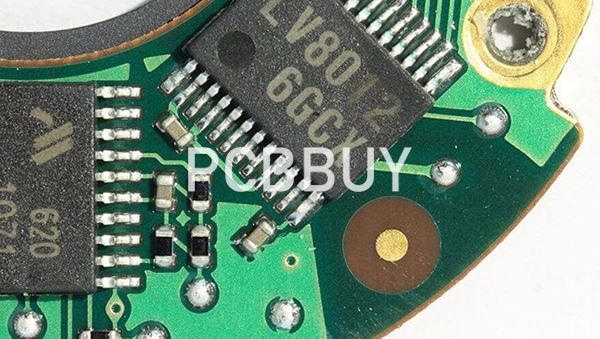
PCBBUY SMT Assembly Capabilities for Different PCB Component Sizes
PCBBUY is equipped to handle a wide range of pcb component sizes, including:
-
Minimum SMD size down to 0201
-
High-precision placement machines
-
AOI inspection for all SMT boards
-
X-ray inspection for BGA and fine-pitch components
By combining equipment capability with process experience, PCBBUY ensures reliable assembly across both low-volume prototypes and mass production.
PCB Footprint Design Guidelines Based on Component Sizes
Incorrect footprint design is one of the most common causes of assembly defects. Common issues include:
-
Oversized pads causing solder bridging
-
Undersized pads leading to weak joints
-
Incorrect spacing resulting in tombstoning
PCBBUY provides engineering feedback during the DFM stage to ensure footprints match the selected pcb component sizes and assembly process.
Through-Hole Component Sizes in PCB Assembly
While SMT dominates modern electronics, through-hole components are still widely used for:
-
High-power applications
-
Mechanical reinforcement
-
Connectors and transformers
PCBBUY supports mixed-technology boards using selective soldering and manual assembly when required.
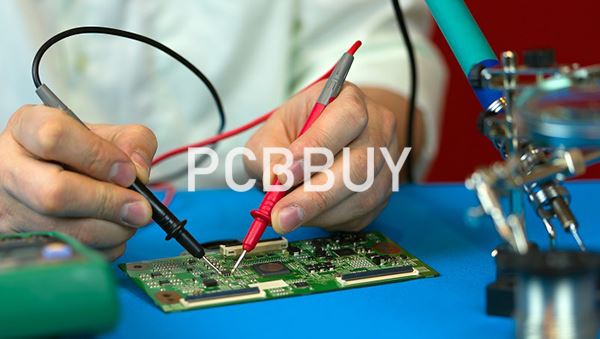
Choosing the Right PCB Component Sizes for Your Project
Selecting appropriate pcb component sizes involves balancing:
-
Cost efficiency
-
Assembly reliability
-
Board size constraints
-
Supply chain availability
PCBBUY’s engineering team assists customers in evaluating component size choices early in the design phase, helping reduce risks and improve manufacturability.
Conclusion
PCB component sizes influence every stage of PCB manufacturing and assembly. With proper selection, accurate footprint design, and a capable assembly partner, even high-density designs can be produced reliably.
PCBBUY combines manufacturing expertise, advanced equipment, and engineering support to deliver stable PCB assembly solutions across a wide range of component sizes.
FAQ
Q1: What are the most common PCB component sizes used today?
A: 0603 and 0402 are widely used, while 0201 is common in high-density applications.
Q2: Can PCBBUY assemble 0201 components?
A: Yes. PCBBUY supports SMT assembly down to 0201 with AOI and X-ray inspection.
Q3: Do smaller component sizes increase assembly cost?
A: Smaller sizes may require tighter process control, but optimized SMT lines help keep costs competitive.
Industry Category