PCB Delamination Prevention Techniques in High-Reliability Manufacturing
By:PCBBUY 05/27/2026 14:13
|
Item |
Technical Description |
|
Definition |
PCB delamination is the separation between layers of base material, copper foil, or resin systems within a multilayer PCB. |
|
Where It Occurs |
Commonly between prepreg and core layers, or at copper–resin interfaces. |
|
When It Happens |
During lamination, reflow soldering, thermal cycling, or long-term field operation. |
|
Why It Matters |
Delamination directly compromises electrical reliability, mechanical strength, and product lifespan. |
Primary Causes of PCB Delamination
|
Root Cause |
Technical Explanation |
|
Moisture Absorption |
Absorbed moisture expands rapidly during thermal processes, causing internal stress. |
|
Improper Lamination Parameters |
Insufficient pressure, temperature, or dwell time prevents full resin flow and bonding. |
|
Material Mismatch |
CTE mismatch between copper and dielectric materials increases interlayer stress. |
|
Excessive Thermal Shock |
Aggressive reflow or rapid temperature changes weaken resin adhesion. |
|
Poor Surface Preparation |
Contaminated or oxidized copper surfaces reduce bonding strength. |
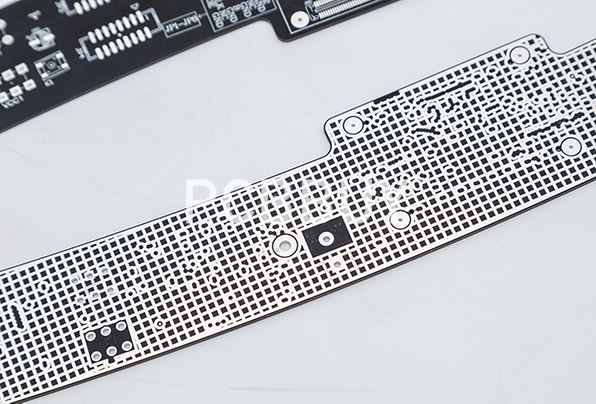
PCB Delamination Prevention Techniques Used by
|
Control Area |
Prevention Technique |
|
Material Selection |
Use of high-Tg, low-moisture-absorption laminates for multilayer PCBs. |
|
Pre-Bake Process |
Controlled PCB baking to remove absorbed moisture before lamination or assembly. |
|
Lamination Control |
Optimized pressure, temperature ramp, and curing profiles for full resin cross-linking. |
|
Copper Surface Treatment |
Advanced oxide or alternative bonding treatments to enhance adhesion. |
|
Process Standardization |
Stable, repeatable lamination recipes validated through production data. |
Lamination Process Optimization for Delamination Control
|
Lamination Parameter |
Optimization Strategy |
|
Temperature Profile |
Gradual ramp-up to ensure uniform resin flow. |
|
Pressure Distribution |
Balanced pressure to avoid resin starvation or voids. |
|
Resin Flow Control |
Matching prepreg resin content to layer count and copper density. |
|
Cooling Rate |
Controlled cooling to minimize residual stress between layers. |
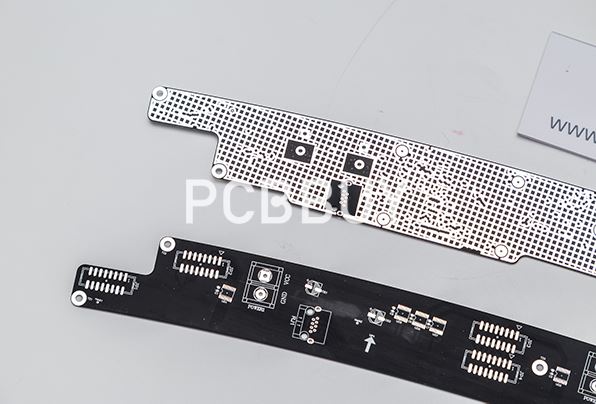
Design-Related Delamination Risk Factors
|
Design Factor |
Risk Description |
|
High Copper Density Imbalance |
Uneven copper distribution causes localized stress. |
|
Excessive Layer Count |
Increased interfaces raise delamination probability. |
|
Thin Dielectric Thickness |
Reduced resin volume limits bonding margin. |
|
Poor Stack-Up Design |
Incompatible materials within the same stack-up amplify stress. |
Quality Inspection and Validation Methods
|
Inspection Method |
Purpose |
|
Cross-Section Analysis |
Verifies interlayer bonding quality. |
|
Thermal Stress Testing |
Simulates reflow and operating conditions. |
|
Peel Strength Testing |
Measures copper-to-dielectric adhesion. |
|
Reliability Sampling |
Confirms long-term stability in mass production. |
Benefits of Effective PCB Delamination Prevention
|
Customer Value |
Business Impact |
|
Higher Reliability |
Reduced field failures and warranty risk. |
|
Stable Mass Production |
Consistent yields from prototype to volume. |
|
Improved Thermal Performance |
Maintained dielectric integrity under heat. |
|
Lower Total Cost |
Fewer scrap boards and rework cycles. |
|
Compliance with Industry Standards |
Suitable for automotive, industrial, and high-reliability applications. |
FAQ
Q1: What are PCB delamination prevention techniques?
A1: They are manufacturing and design controls that prevent layer separation, including material selection, lamination optimization, moisture control, and thermal process management.
Q2: Can PCB delamination occur during assembly?
A2: Yes. Improper reflow profiles or moisture exposure can trigger delamination even after PCB fabrication.
Q3: How does high-Tg material help prevent delamination?
A3: High-Tg materials maintain mechanical stability at elevated temperatures, reducing resin softening and stress buildup.
Q4: Is PCB baking necessary before assembly?
A4: For multilayer and high-reliability PCBs, controlled pre-baking significantly reduces moisture-related delamination risk.
Q5: How does PCBBUY ensure delamination-free PCB production?
A5: PCBBUY integrates optimized lamination parameters, advanced material systems, moisture management, and reliability validation to ensure stable, delamination-resistant PCB manufacturing.
Industry Category