PCB Delamination: Causes and Prevention in Professional PCB Manufacturing
By:PCBBUY 06/25/2026 15:29
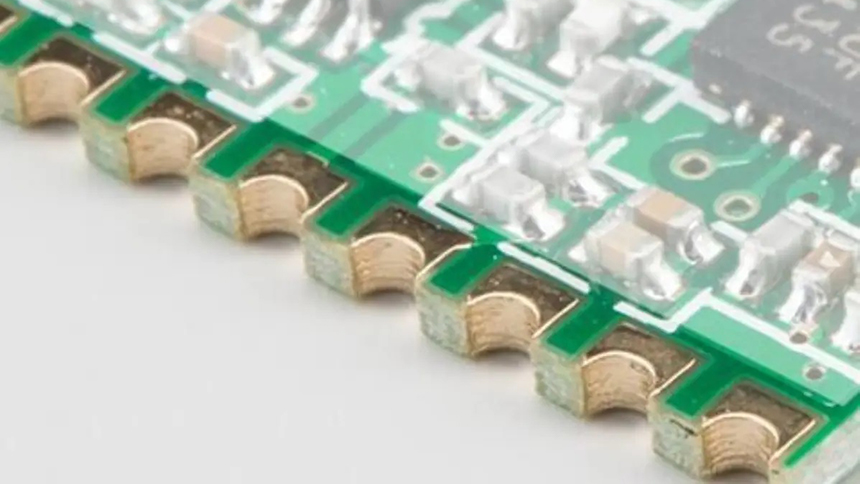
PCB delamination is one of the most critical reliability issues in electronic manufacturing. It refers to the separation of layers within a printed circuit board, including copper foil, prepreg, or core materials. Delamination can lead to electrical failure, reduced mechanical strength, and long-term reliability risks.
Understanding PCB delamination causes and prevention methods is essential when selecting a professional PCB manufacturer—especially for high-layer-count, high-Tg, and high-reliability applications.
At PCBBUY, delamination control is addressed through material selection, lamination process control, and strict thermal reliability testing.
What Is PCB Delamination?
PCB delamination occurs when bonding strength between PCB layers is compromised, causing internal or surface layer separation. It may appear during:
-
PCB fabrication
-
SMT reflow soldering
-
Thermal cycling in end-use environments
Once delamination starts, it can propagate rapidly under heat or moisture stress.
Common PCB Delamination Causes
PCB delamination is rarely caused by a single factor. It is usually the result of combined material, process, and thermal stresses.
1. Poor Lamination Process Control
-
Insufficient lamination pressure or temperature
-
Uneven resin flow
-
Inadequate curing time
If prepreg resin does not fully flow and cure, weak interlayer adhesion forms.
PCBBUY approach:
Multi-stage lamination profiles with controlled pressure ramping ensure uniform resin distribution across multilayer boards.
2. Moisture Absorption in PCB Materials
Moisture trapped in PCB materials can vaporize during reflow soldering, creating internal pressure that forces layers apart.
This is especially common in:
-
Thick multilayer PCBs
-
High-frequency laminates
-
Improperly stored panels
PCBBUY approach:
Strict material storage, vacuum packaging, and controlled pre-bake procedures minimize moisture-related delamination.
3. Incompatible or Low-Quality Materials
Using mismatched materials (core, prepreg, copper foil) with different CTE (Coefficient of Thermal Expansion) can cause stress buildup during heating.
PCBBUY approach:
Only qualified laminate systems from trusted suppliers (high-Tg, halogen-free, and high-frequency materials) are used with validated stackups.
4. Excessive Thermal Stress
High reflow temperatures, multiple rework cycles, or harsh operating environments can exceed the thermal endurance of PCB materials.
This is a major risk for:
-
Lead-free reflow
-
Automotive electronics
-
Industrial power PCBs
PCBBUY approach:
PCB designs are matched with appropriate Tg ratings and tested under thermal stress conditions.
5. Poor Drilling or Plating Quality
Micro-cracks from aggressive drilling or insufficient copper plating can act as stress concentration points, accelerating delamination.
PCBBUY approach:
Optimized drilling parameters and uniform via copper plating reduce mechanical stress inside multilayer boards.
PCB Delamination Causes vs Prevention Methods
|
Delamination Cause |
Root Issue |
Prevention Method |
|
Incomplete lamination |
Insufficient heat/pressure |
Optimized multi-stage lamination |
|
Moisture absorption |
Poor storage or handling |
Pre-bake & vacuum packaging |
|
Material mismatch |
CTE incompatibility |
Qualified laminate systems |
|
Thermal overload |
High reflow or rework cycles |
High-Tg material selection |
|
Mechanical stress |
Drilling/plating defects |
Controlled drilling & plating |
How PCBBUY Prevents PCB Delamination?
PCBBUY applies end-to-end delamination prevention strategies, including:
-
High-Tg material options for multilayer and lead-free applications
-
Precision lamination control for HDI and thick boards
-
Moisture management protocols before SMT
-
Process traceability across drilling, plating, and lamination
-
Reliability testing such as thermal shock and reflow simulation
These controls ensure stable layer adhesion even in demanding environments.
Why Delamination Prevention Matters for Overseas Buyers?
For global customers, PCB delamination can result in:
-
Field failures and product recalls
-
Increased warranty costs
-
Certification non-compliance
-
Brand reputation damage
Choosing a manufacturer with proven delamination prevention capability significantly reduces these risks.
FAQ
Q1: Is PCB delamination visible to the naked eye?
Not always. Internal delamination may only be detected through X-ray inspection or cross-section analysis.
Q2: Does high-Tg material completely eliminate delamination?
No, but it significantly improves thermal resistance. Proper process control is still essential.
Q3: Can delamination occur after SMT assembly?
Yes. Delamination often appears during reflow soldering or thermal cycling if moisture or thermal stress is present.
Q4: How can buyers reduce delamination risk at the design stage?
By selecting appropriate Tg materials, avoiding excessive board thickness, and working with manufacturers on validated stackups.
Q5: Does PCBBUY support delamination reliability testing?
Yes. PCBBUY can perform thermal stress simulations, reflow testing, and process validation for high-reliability PCB projects.

Conclusion
Understanding PCB delamination causes and prevention is critical for ensuring long-term reliability in electronic products. Delamination is not just a material issue—it is a system-level challenge involving design, materials, and manufacturing processes.
With strict lamination control, qualified materials, and reliability-focused process management, PCBBUY delivers PCB solutions designed to withstand thermal and mechanical stress throughout the product lifecycle.
Industry Category