PCB Failure Analysis Methods for Manufacturing Defects
By:PCBBUY 04/29/2026 14:57
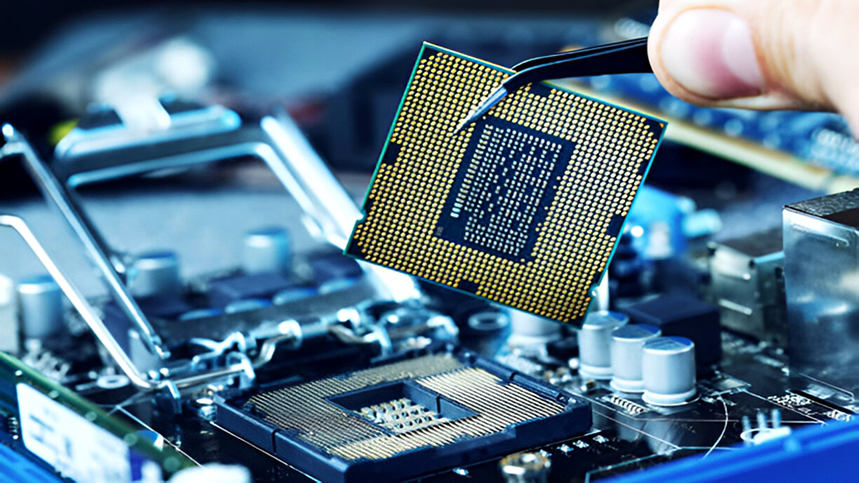
In PCB manufacturing, defects are not just quality issues—they are engineering signals.
Effective PCB failure analysis methods for manufacturing defects are essential for identifying root causes, preventing recurrence, and ensuring stable mass production quality.
A PCB manufacturer’s failure analysis capability directly reflects its engineering depth, process transparency, and long-term reliability commitment.
What Is PCB Failure Analysis?
PCB failure analysis is a systematic engineering process used to identify, isolate, and verify the root causes of manufacturing defects occurring during fabrication, assembly, or field use.
|
Aspect |
Description |
|
Objective |
Identify true root cause |
|
Scope |
Material, process, design, handling |
|
Outcome |
Corrective & preventive actions |
|
Value |
Yield improvement & risk reduction |
Why Failure Analysis Is Critical in PCB Manufacturing?
|
Without Failure Analysis |
Manufacturing Impact |
|
Repeated defects |
Yield loss |
|
Hidden process issues |
Latent failures |
|
Incomplete corrective actions |
Customer complaints |
|
Ineffective improvement |
Rising production cost |
|
Audit failures |
Loss of customer trust |
Failure analysis transforms quality control from reactive inspection to proactive engineering improvement.

Common Manufacturing Defects Requiring Failure Analysis
|
Defect Type |
Typical Symptom |
|
Open circuits |
Electrical discontinuity |
|
Short circuits |
Unintended copper connection |
|
Via failure |
Intermittent connection |
|
Delamination |
Layer separation |
|
Plating defects |
Voids or thin copper |
|
Solderability issues |
Assembly failure |
PCB Failure Analysis Methods for Manufacturing Defects
1. Visual & Optical Inspection
|
Method |
Purpose |
Manufacturing Value |
|
Visual inspection |
Surface anomaly detection |
Fast screening |
|
AOI |
Pattern deviation detection |
Early-stage control |
|
High-magnification imaging |
Fine defect observation |
Precise localization |
2. Electrical Failure Analysis
|
Method |
Purpose |
Application |
|
Flying probe testing |
Open/short detection |
Prototypes & small batches |
|
Electrical net testing |
Circuit integrity |
Mass production |
|
Resistance measurement |
Abnormal path detection |
Latent defect analysis |
3. Cross-Section (Microsection) Analysis
|
Method |
Purpose |
Engineering Value |
|
Metallographic cross-section |
Internal structure verification |
Via & layer analysis |
|
Copper thickness measurement |
Plating quality |
Reliability evaluation |
|
Interface observation |
Adhesion assessment |
Root cause confirmation |
4. X-Ray & Non-Destructive Analysis
|
Method |
Purpose |
Advantage |
|
X-ray inspection |
Hidden via & inner-layer defects |
Non-destructive |
|
CT scanning |
3D defect visualization |
Advanced analysis |
|
BGA & microvia inspection |
Structural verification |
HDI applications |
5. Material & Chemical Analysis
|
Method |
Purpose |
Root Cause Insight |
|
Contamination analysis |
Ionic residue detection |
Leakage & corrosion |
|
Surface energy testing |
Adhesion failure analysis |
Delamination prevention |
|
Resin & glass inspection |
Material integrity |
Process compatibility |
6. Thermal & Mechanical Stress Analysis
|
Method |
Purpose |
Reliability Impact |
|
Thermal cycling |
Via fatigue simulation |
Long-term reliability |
|
Thermal shock |
Sudden stress tolerance |
Failure acceleration |
|
Peel strength testing |
Copper adhesion |
Structural durability |
Failure Analysis Workflow in Manufacturing Environment
|
Step |
Key Control Point |
|
Defect detection |
Inspection & testing |
|
Failure isolation |
Location & classification |
|
Root cause analysis |
Process & material review |
|
Corrective action |
Process parameter optimization |
|
Preventive action |
SOP & control update |
|
Verification |
Re-testing & monitoring |
Linking Failure Analysis to Manufacturing Improvement
|
Analysis Outcome |
Manufacturing Action |
|
Via cracking |
Lamination & plating optimization |
|
Delamination |
Resin system & pressure adjustment |
|
Short circuits |
Imaging & etching refinement |
|
Open circuits |
Drilling & registration control |
|
Yield loss |
SPC & process stabilization |
Typical Failure Analysis Capability Benchmarks
|
Capability Item |
Manufacturing Level |
|
In-house analysis lab |
Engineering-driven |
|
Cross-section & X-ray |
Advanced |
|
Closed-loop corrective action |
Mature |
|
SPC data integration |
Mass production ready |
|
Customer reporting |
Audit-compliant |
What Failure Analysis Capability Reveals About a PCB Manufacturer?
A manufacturer with strong PCB failure analysis methods for manufacturing defects demonstrates:
-
Deep process understanding
-
Strong root cause identification capability
-
Effective corrective & preventive action (CAPA)
-
Commitment to long-term yield stability
-
Transparency in customer communication
This capability significantly reduces repeat defects, production risk, and total cost of ownership.

FAQ
FAQ 1: What is PCB failure analysis?
It is a structured process used to identify and confirm the root causes of PCB manufacturing defects.
FAQ 2: Why is failure analysis important in PCB manufacturing?
Because without root cause identification, defects recur and scale in mass production.
FAQ 3: What are the most common PCB manufacturing defects?
Open circuits, short circuits, via failures, delamination, and plating defects.
FAQ 4: Is cross-section analysis destructive?
Yes, but it provides critical internal structure information that non-destructive methods cannot reveal.
FAQ 5: How does failure analysis improve yield?
By enabling targeted corrective actions, reducing defect recurrence.
FAQ 6: Does failure analysis increase production cost?
It slightly increases engineering effort but dramatically reduces long-term scrap, rework, and field failures.

Conclusion
PCB failure analysis methods for manufacturing defects are the foundation of stable, high-quality PCB production. Manufacturers with systematic failure analysis capabilities can not only fix defects—but prevent them from happening again, delivering reliable PCBs at scale for global customers.
Industry Category