PCB Flying Probe Test Fixture
By:PCBBUY 02/26/2026 15:54
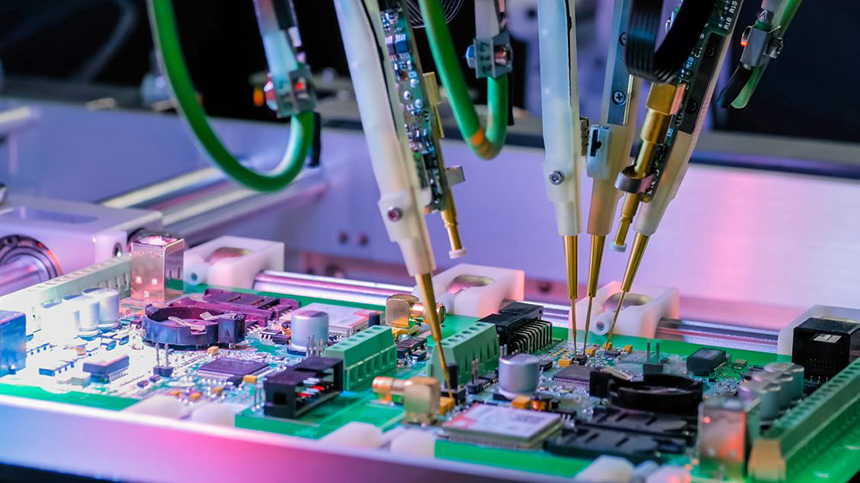
In PCB manufacturing, electrical testing is a critical step to ensure circuit continuity, isolation, and functional reliability. Traditionally, electrical testing relies on dedicated fixtures. However, with increasing product variety and shorter production cycles, PCB flying probe test fixture solutions have become essential.
This article explains how flying probe testing works, how it differs from fixture-based testing, and why it plays a key role in modern PCB manufacturing quality control.
What Is a PCB Flying Probe Test Fixture?
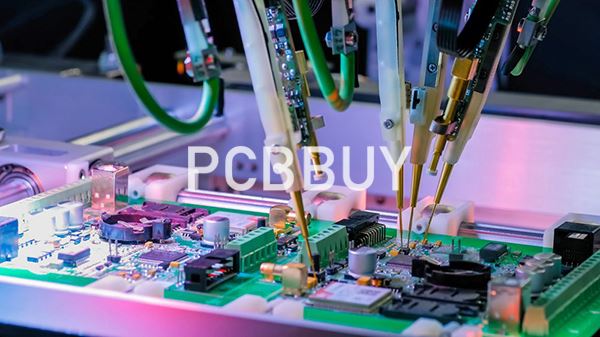
A PCB flying probe test fixture refers to the fixture-less testing approach used by flying probe testers, where movable probes directly contact test points on the PCB without the need for custom mechanical fixtures.
Unlike bed-of-nails fixtures, flying probe systems rely on programmable probe movement and software-driven test routines.
Flying Probe Test vs Fixture-Based Test (Comparison Table)
|
Item |
Flying Probe Test |
Fixture-Based Test |
|
Physical fixture |
Not required |
Required |
|
Setup time |
Short |
Long |
|
Initial cost |
Low |
High |
|
Test speed |
Slower |
Faster |
|
Best for |
Prototypes, small batches |
Mass production |
|
Design changes |
Easy to adapt |
Fixture remake needed |
Flying probe testing significantly reduces upfront cost and preparation time.
Why Flying Probe Testing Is Important in PCB Manufacturing
|
Manufacturing Scenario |
Flying Probe Advantage |
|
Prototype production |
No fixture lead time |
|
High-mix, low-volume orders |
Flexible testing |
|
Quick-turn PCB |
Faster test readiness |
|
Engineering validation |
Easy parameter updates |
This makes flying probe testing ideal for modern PCB outsourcing environments.
Typical Tests Performed by Flying Probe Systems
|
Test Type |
Purpose |
|
Continuity test |
Detect open circuits |
|
Isolation test |
Detect short circuits |
|
Component pad test |
Verify pad connectivity |
|
Netlist comparison |
Match design vs actual PCB |
Advanced flying probe systems can also support resistance and capacitance measurements.
Limitations of PCB Flying Probe Test Fixtures
|
Limitation |
Description |
|
Test speed |
Slower than fixture-based |
|
High-volume cost |
Less economical at scale |
|
Dense BGA access |
Limited by probe reach |
|
Parallel testing |
Restricted |
Understanding these limitations helps manufacturers choose the right test strategy.
Flying Probe Test Accuracy and Reliability Factors
|
Factor |
Impact on Test Quality |
|
Probe positioning accuracy |
Contact precision |
|
Test point size |
Reliable probing |
|
Board flatness |
Stable contact |
|
Software algorithm |
Fault detection rate |
High-quality flying probe testing depends on both equipment and process discipline.
When to Use Flying Probe Test vs Fixture Test
|
Production Stage |
Recommended Test Method |
|
Prototype |
Flying probe |
|
Engineering validation |
Flying probe |
|
Pilot run |
Mixed approach |
|
Mass production |
Fixture-based |
|
Design revision |
Flying probe |
Many manufacturers combine both methods for optimal efficiency.
How PCBBUY Applies Flying Probe Test in PCB Production?
PCBBUY integrates flying probe testing as a standard quality control method, especially for:
-
Small and medium batch orders
-
High-mix, quick-turn projects
|
Control Area |
Implementation |
|
Test programming |
Direct CAD data import |
|
Coverage |
Netlist-based verification |
|
Process flow |
100% electrical test |
|
Data traceability |
Test record retention |
This ensures electrical integrity without delaying production schedules.
Flying Probe Test Fixture and PCB Yield Improvement
|
Aspect |
Contribution |
|
Early defect detection |
Reduced rework |
|
No fixture dependency |
Faster delivery |
|
Design flexibility |
Fewer test constraints |
|
Engineering feedback |
Improved DFM |
Flying probe testing supports both quality and agility.
Conclusion
A PCB flying probe test fixture is not a physical tool but a fixture-free testing capability that supports modern PCB manufacturing demands. It enables flexible, accurate electrical testing without the cost and delay of custom fixtures.
For high-mix, low-volume, and fast-turn PCB production, flying probe testing is an essential part of a robust quality assurance system.
FAQ
What is the main advantage of flying probe testing?
It eliminates the need for custom fixtures, reducing cost and setup time.
Is flying probe testing suitable for mass production?
It is better suited for prototypes and low-to-medium volumes. Mass production typically uses fixtures.
Does flying probe testing provide full electrical coverage?
Yes, for continuity and isolation, when test points are properly designed.
Can flying probe testing detect all PCB defects?
It detects electrical faults but does not replace visual or AOI inspections.
Should PCB designers consider flying probe testing during design?
Yes. Proper test point placement improves test accuracy and efficiency.
Industry Category