PCB Reliability Testing Standards for Mass Production
By:PCBBUY 04/28/2026 15:08
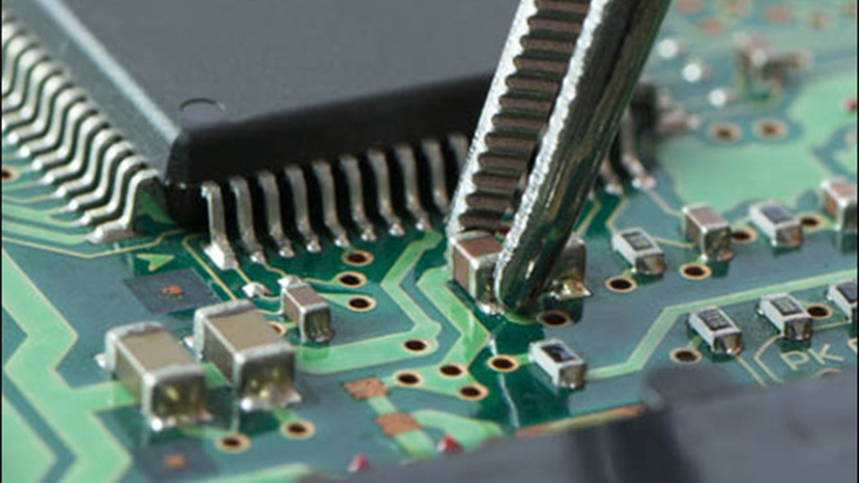
In mass production environments, PCB quality is not defined by a single test result, but by systematic reliability testing standards.
PCB reliability testing standards for mass production are a critical benchmark for evaluating whether a PCB manufacturer can deliver consistent performance, stable yield, and long-term product reliability at scale.
For global customers, especially in automotive, industrial, and communication sectors, these standards directly determine supplier qualification and long-term cooperation.
What Is PCB Reliability Testing in Mass Production?
PCB reliability testing refers to a series of standardized mechanical, thermal, electrical, and environmental tests used to validate that PCBs can withstand real-world operating conditions throughout their intended lifespan.
|
Test Category |
Purpose |
|
Thermal reliability |
Resistance to temperature stress |
|
Mechanical reliability |
Structural durability |
|
Electrical reliability |
Stable conductivity |
|
Environmental reliability |
Resistance to humidity & corrosion |
|
Process consistency |
Mass production stability |
Why Reliability Testing Standards Matter in Mass Production?
|
Risk Without Reliability Testing |
Business Impact |
|
Early field failures |
Warranty & recall cost |
|
Inconsistent yield |
Unstable delivery |
|
Assembly defects |
Increased PCBA scrap |
|
Customer audits failure |
Supplier disqualification |
|
Brand reputation damage |
Long-term loss |
Reliability testing transforms PCB manufacturing from “can be made” to “can be mass-produced reliably.”
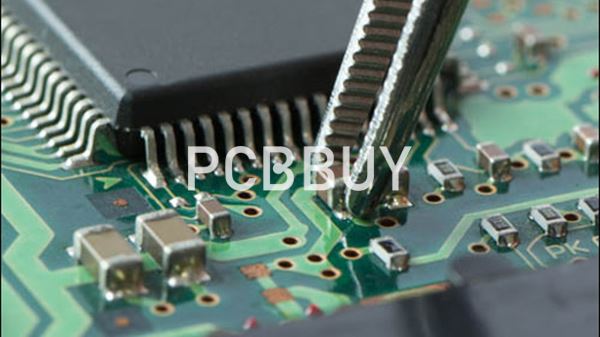
Core PCB Reliability Testing Standards Used in Mass Production
1. Thermal Reliability Testing
|
Test Method |
Typical Standard |
Purpose |
|
Thermal cycling |
IPC-TM-650 |
Via & interconnect durability |
|
Thermal shock |
IPC / JESD |
Rapid temperature stress |
|
Reflow simulation |
Assembly condition validation |
Solder joint reliability |
2. Electrical Reliability Testing
|
Test Method |
Purpose |
Value in Mass Production |
|
Flying probe / E-test |
Open/short detection |
100% electrical integrity |
|
Insulation resistance (IR) |
Leakage control |
Long-term stability |
|
Dielectric withstand |
Breakdown prevention |
Safety assurance |
3. Mechanical Reliability Testing
|
Test Method |
Purpose |
Manufacturing Value |
|
Peel strength |
Copper adhesion |
Layer bonding quality |
|
Bend & flex testing |
Structural strength |
Assembly robustness |
|
Via pull testing |
Interconnect strength |
Via reliability |
4. Environmental Reliability Testing
|
Test Method |
Purpose |
Application |
|
Humidity resistance |
Moisture durability |
Industrial & outdoor use |
|
Salt spray testing |
Corrosion resistance |
Automotive & marine |
|
Chemical resistance |
Surface durability |
Harsh environments |
5. Interconnect & Via Reliability Testing
|
Test Method |
Purpose |
Reliability Impact |
|
Interconnect Stress Test (IST) |
Via fatigue validation |
Long-term reliability |
|
Microsection analysis |
Structural verification |
Process confirmation |
|
X-ray inspection |
Hidden defect detection |
Yield protection |
Reliability Testing Integration in Mass Production Flow
|
Production Stage |
Reliability Control |
|
DFM review |
Risk prevention before fabrication |
|
Material incoming inspection |
Base quality assurance |
|
In-process testing |
Early defect detection |
|
Final reliability testing |
Shipment qualification |
|
SPC monitoring |
Long-term stability |
Typical Reliability Testing Requirements by Application
|
Application |
Reliability Standard Focus |
|
Consumer electronics |
Thermal cycling & E-test |
|
Automotive electronics |
IST, thermal shock |
|
Industrial control |
Humidity & long-term stress |
|
Communication equipment |
Signal stability & via reliability |
|
Medical electronics |
Process consistency & traceability |
Mass Production Reliability Capability Benchmarks
|
Capability Item |
Typical Benchmark |
|
Electrical testing |
100% coverage |
|
Thermal cycling |
≥1000 cycles |
|
Via reliability |
IPC Class 2 / 3 |
|
SPC control |
Continuous monitoring |
|
Traceability |
Lot-level data tracking |
Common Reliability Failures & Preventive Controls
|
Failure Mode |
Root Cause |
Preventive Measure |
|
Via cracking |
Thermal fatigue |
IST validation |
|
Delamination |
Resin & lamination issues |
Thermal shock testing |
|
Copper separation |
Poor adhesion |
Peel strength testing |
|
Electrical leakage |
Material contamination |
IR testing |
What PCB Reliability Testing Standards Reveal About a Manufacturer?
A manufacturer with robust PCB reliability testing standards for mass production demonstrates:
-
Mature quality management systems
-
Proven process repeatability
-
Strong risk prevention capability
-
Confidence in high-volume delivery
-
Readiness for global customer audits
These capabilities directly reduce total cost of ownership (TCO) for customers.

FAQ
FAQ 1: What are PCB reliability testing standards?
They are systematic tests used to verify PCB performance under thermal, electrical, mechanical, and environmental stress.
FAQ 2: Why are reliability tests critical for mass production?
Because small defects scale into large-volume failures without proper validation.
FAQ 3: Are all PCBs required to undergo reliability testing?
Requirements vary by application, but mass production PCBs should always follow defined reliability standards.
FAQ 4: How does reliability testing improve yield?
By detecting weaknesses early, preventing process drift and large-scale defects.
FAQ 5: What is IST testing used for?
To evaluate via and interconnect durability under repeated thermal stress.
FAQ 6: Does reliability testing increase PCB cost?
It adds upfront control but significantly reduces downstream failures, rework, and field returns.

Conclusion
PCB reliability testing standards for mass production are not optional—they are the foundation of scalable, stable, and trustworthy PCB manufacturing. Manufacturers with comprehensive testing systems can deliver consistent quality, predictable yield, and long-term reliability, making them ideal partners for global electronics production.
Industry Category