PCB Resin Flow Test Explained Manufacturing & Quality Control
By:PCBBUY 03/26/2026 14:37
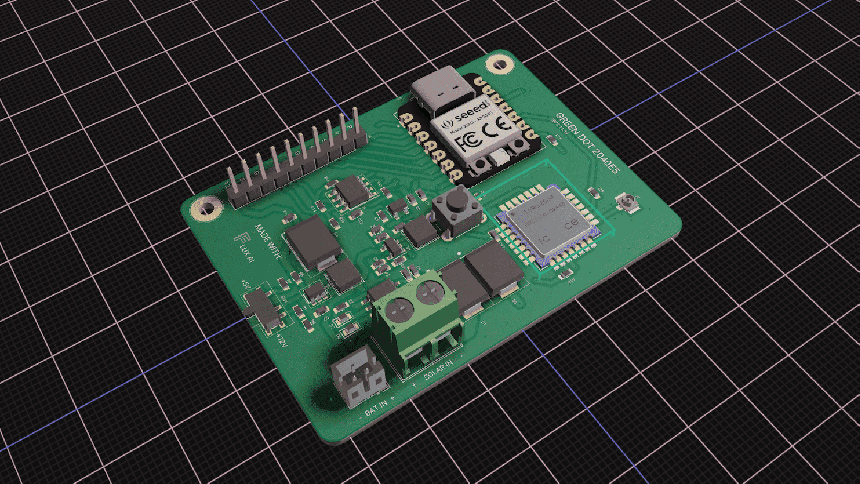
In multilayer PCB manufacturing, resin flow behavior plays a critical role in determining lamination quality, dielectric consistency, and long-term reliability.
The PCB resin flow test is an essential process used to evaluate how prepreg resin melts, flows, and fills internal structures during lamination.
At PCBBUY, resin flow testing is integrated into material evaluation, process control, and high-layer-count PCB production to ensure consistent and reliable results for global customers.
What Is a PCB Resin Flow Test?
A PCB resin flow test measures the percentage of resin that flows out of a prepreg material under controlled temperature, pressure, and time conditions.
It helps manufacturers predict how resin will behave during multilayer lamination, especially in complex PCB structures.
|
Test Objective |
Description |
|
Resin Flow Rate |
Measures how much resin flows during heating |
|
Lamination Suitability |
Ensures proper filling of inner-layer gaps |
|
Dielectric Stability |
Prevents uneven dielectric thickness |
|
Process Consistency |
Confirms material stability across batches |
Why Is Resin Flow Important in PCB Manufacturing?
Incorrect resin flow can lead to multiple defects that directly impact PCB performance and reliability.
|
Resin Flow Issue |
Potential Manufacturing Risk |
|
Excessive Resin Flow |
Dielectric thinning, resin starvation |
|
Insufficient Resin Flow |
Voids, delamination, poor layer bonding |
|
Inconsistent Flow |
Thickness variation, impedance deviation |
|
Poor Gap Filling |
CAF risk, reliability failure |
Proper resin flow control is especially critical for high layer count PCBs, HDI boards, and impedance-controlled designs.
PCB Resin Flow Test Method (Industry Practice)
|
Test Step |
Description |
|
Sample Preparation |
Prepreg samples cut to standard size |
|
Controlled Heating |
Heated to defined lamination temperature |
|
Applied Pressure |
Pressure applied to simulate lamination |
|
Resin Collection |
Flowed resin collected and measured |
|
Flow Percentage Calculation |
Resin flow (%) calculated by weight difference |
This test provides quantitative data to guide lamination parameters and material selection.
PCBBUY Resin Flow Control & Process Capability
|
Manufacturing Aspect |
PCBBUY Practice |
|
Prepreg Evaluation |
Resin flow testing before production use |
|
Material Consistency |
Batch-level material verification |
|
Lamination Control |
Optimized pressure, temperature, and time profiles |
|
Multilayer Boards |
Stable resin flow for high layer count PCBs |
|
Process Traceability |
Full documentation and quality records |
|
Standards Reference |
IPC-related test and process requirements |
Through controlled resin flow behavior, PCBBUY ensures uniform dielectric thickness, strong interlayer bonding, and stable electrical performance.
Applications Where Resin Flow Testing Is Critical
|
PCB Type |
Reason for Resin Flow Control |
|
High Layer Count PCBs |
Prevents lamination defects across many layers |
|
HDI PCBs |
Ensures microvia and gap filling |
|
Impedance-Controlled PCBs |
Maintains dielectric thickness accuracy |
|
High-Reliability PCBs |
Improves thermal and mechanical stability |
|
Fine-Line PCBs |
Avoids resin starvation in narrow spaces |
Quality Assurance & Reliability Control
PCBBUY integrates resin flow testing into a broader quality assurance framework, ensuring:
-
Stable lamination performance
-
Reduced delamination risk
-
Improved electrical consistency
-
Long-term mechanical reliability
All processes are managed under a strict quality management system aligned with international PCB manufacturing standards.

FAQ
Q1: What is a PCB resin flow test?
A PCB resin flow test measures how much resin flows from prepreg material under controlled heat and pressure to evaluate lamination performance.
Q2: Why is resin flow important in multilayer PCBs?
Resin flow affects layer bonding, dielectric thickness, void prevention, and long-term reliability, especially in high layer count PCBs.
Q3: What happens if resin flow is too high?
Excessive resin flow can cause dielectric thinning, resin starvation, and impedance variation, leading to performance issues.
Q4: What happens if resin flow is too low?
Insufficient resin flow may result in voids, delamination, and poor gap filling, increasing failure risk.
Q5: Does PCBBUY perform resin flow testing in-house?
Yes. PCBBUY evaluates prepreg resin flow as part of material qualification and process control to ensure consistent lamination quality.
Q6: Which PCB types require strict resin flow control?
High layer count PCBs, HDI boards, impedance-controlled PCBs, and high-reliability applications all require precise resin flow management.
Conclusion
The PCB resin flow test is a fundamental quality control process that directly impacts lamination integrity, electrical performance, and long-term reliability.
By combining material evaluation, controlled lamination processes, and strict quality management, PCBBUY delivers stable and internationally compliant PCB solutions for demanding applications worldwide.
Industry Category