Why Thermal Analysis Is Essential for Reliable PCB Manufacturing?
By:PCBBUY 07/23/2026 14:56
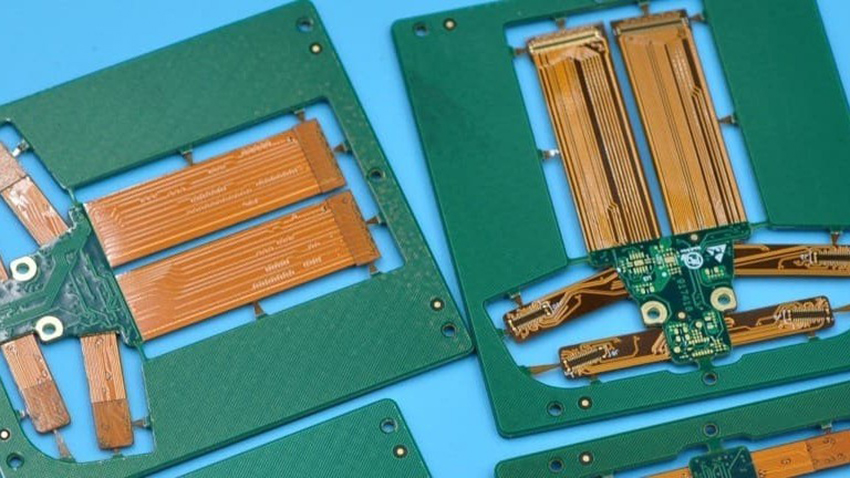
As electronic devices become smaller, more powerful, and increasingly integrated, thermal management has become a key factor in ensuring PCB reliability. Excessive heat can shorten component lifespan, reduce signal stability, accelerate solder joint fatigue, and even lead to catastrophic system failures. For this reason, PCB thermal simulation before production has become an essential step in modern PCB design and manufacturing.
Thermal simulation allows engineers to predict heat distribution, identify potential hot spots, and optimize PCB layouts before fabrication begins. Combined with advanced manufacturing capabilities, thermal analysis helps improve product performance while reducing costly design revisions.
This article explains the importance of PCB thermal simulation before production, the simulation methods commonly used, and how PCBBUY supports customers with engineering reviews and precision manufacturing for thermally demanding PCB applications.
What Is PCB Thermal Simulation?
PCB thermal simulation is the process of using computer-aided engineering (CAE) software to predict how heat is generated, transferred, and dissipated across a printed circuit board during operation.
Simulation evaluates factors such as:
-
Component power dissipation
-
Copper distribution
-
PCB stackup
-
Thermal conductivity of materials
-
Airflow conditions
-
Ambient temperature
-
Heat sink effectiveness
-
Via-based heat transfer
The goal is to ensure that every component operates within its specified temperature range throughout the product's lifetime.

Why Perform Thermal Simulation Before Production?
Identifying thermal issues after PCB fabrication often requires costly redesigns, prototype iterations, and production delays. Performing thermal simulation during the design stage enables engineers to resolve thermal risks before manufacturing begins.
Key benefits include:
-
Preventing component overheating
-
Improving product reliability
-
Extending component lifespan
-
Optimizing copper layouts
-
Reducing thermal stress
-
Improving manufacturing yield
-
Lowering overall development costs
Common Thermal Issues Identified During Simulation
|
Thermal Issue |
Potential Impact |
Typical Design Solution |
|
Localized Hot Spots |
Component failure |
Redistribute heat-generating devices |
|
Uneven Temperature Distribution |
Thermal stress |
Optimize copper planes and stackup |
|
Poor Heat Dissipation |
Reduced product life |
Increase copper area or add thermal vias |
|
High Junction Temperature |
IC instability |
Improve airflow or heat sinking |
|
Excessive Thermal Gradient |
Solder joint fatigue |
Balance heat paths across the PCB |
|
Heat Accumulation Around Power Devices |
PCB warpage |
Optimize component placement |
Thermal simulation enables these issues to be addressed before manufacturing begins.
Key Factors Affecting PCB Thermal Performance
1. Copper Thickness
Copper acts as a heat spreader.
Thicker copper improves:
-
Heat distribution
-
Current carrying capability
-
Thermal stability
PCBBUY supports copper thickness up to 15 oz, making it suitable for high-power applications.
2. PCB Stackup Design
Layer arrangement significantly influences thermal conductivity.
Well-designed stackups:
-
Improve vertical heat transfer
-
Reduce localized heating
-
Enhance mechanical stability
Balanced multilayer structures also reduce warpage during fabrication.
3. Thermal Via Design
Thermal vias transfer heat from components to internal or opposite-side copper planes.
Proper via design includes:
-
Appropriate via diameter
-
Optimized via quantity
-
Filled or plugged vias when required
-
Direct connection to thermal planes
PCBBUY supports resin-filled vias, copper-filled vias, and HDI thermal via structures.
4. PCB Material Selection
Different laminate materials have different thermal properties.
|
Material |
Thermal Performance |
Typical Applications |
|
Standard FR-4 |
Moderate |
Consumer electronics |
|
High-Tg FR-4 |
Improved thermal stability |
Industrial control |
|
Rogers High-Frequency Materials |
Excellent thermal consistency |
RF and microwave systems |
|
Isola & TUC High-Performance Laminates |
Enhanced reliability |
Automotive & AI computing |
|
Thick Copper PCB Materials |
Superior heat spreading |
Power electronics |
Selecting the appropriate material improves both electrical and thermal performance.
Thermal Simulation and PCB Manufacturability
Thermal optimization must be compatible with actual manufacturing capabilities.
Simulation results should be validated against:
-
Copper balancing
-
Controlled impedance requirements
-
Lamination structure
-
Hole aspect ratio
-
Board thickness
-
Manufacturing tolerances
Close collaboration between PCB designers and manufacturers ensures that simulated designs can be produced consistently.
PCBBUY's Manufacturing Capabilities for Thermally Optimized PCBs
PCBBUY combines advanced manufacturing technology with engineering expertise to support thermally demanding PCB designs.
|
Capability |
PCBBUY Specification |
|
PCB Layers |
1–26 Layers |
|
Thick Copper Capability |
Up to 15 oz |
|
Maximum Board Size |
1000 × 600 mm |
|
Minimum Mechanical Hole |
0.10 mm |
|
HDI Capability |
1st–3rd Order HDI |
|
Via Technology |
Resin Filled, Copper Filled, Blind & Buried Vias |
|
Material Options |
FR-4, High-Tg, Rogers, Isola, TUC, Halogen-Free |
|
Controlled Impedance |
Supported |
|
Engineering Support |
DFM Review, Stackup Optimization, Thermal Design Recommendations |
|
Quality Inspection |
AOI, Flying Probe Test, X-ray Inspection, Cross-Section Analysis |
By integrating precision fabrication with engineering consultation, PCBBUY helps customers convert thermally optimized PCB designs into reliable production boards.
Best Practices for Thermal Design Before Production
To maximize thermal reliability, designers should:
-
Perform thermal simulation during the early design stage.
-
Place high-power components strategically.
-
Increase copper area around heat sources.
-
Use thermal vias beneath power devices.
-
Select materials with suitable thermal properties.
-
Design balanced multilayer stackups.
-
Validate simulation results with the PCB manufacturer before production.
Early engineering collaboration minimizes design revisions and improves manufacturing efficiency.
FAQ
Q1: Why is PCB thermal simulation important before production?
Thermal simulation identifies potential overheating issues before fabrication, reducing redesign costs and improving long-term product reliability.
Q2: Can thermal simulation replace prototype testing?
No. Thermal simulation complements physical testing by identifying design risks early, but final validation through prototype testing is still recommended for critical applications.
Q3: Does copper thickness affect PCB thermal performance?
Yes. Thicker copper improves heat spreading and current-carrying capability, making it particularly beneficial for power electronics and industrial applications.
Q4: What role do thermal vias play in heat management?
Thermal vias transfer heat away from high-power components to internal or opposite-side copper planes, reducing junction temperatures and improving overall thermal performance.
Q5: How does PCBBUY support customers with thermally demanding PCB projects?
PCBBUY provides comprehensive engineering support, including DFM analysis, stackup optimization, material recommendations, thermal via manufacturing, thick copper processing, and precision PCB fabrication. Combined with advanced production equipment and rigorous quality control, these capabilities help ensure that thermally optimized designs can be manufactured with high consistency and reliability.
Conclusion
As electronic systems continue to increase in power density, PCB thermal simulation before production has become an essential part of successful product development. By identifying thermal risks early, optimizing layouts, selecting appropriate materials, and validating manufacturability, engineers can significantly improve PCB reliability while reducing development time and production costs.
With capabilities including 1–26 layer PCB fabrication, HDI technology, thick copper processing up to 15 oz, controlled impedance manufacturing, advanced via technologies, and comprehensive DFM engineering support, PCBBUY helps customers bring thermally optimized PCB designs into volume production with confidence. Whether for industrial automation, AI computing, telecommunications, automotive electronics, medical devices, or power systems, PCBBUY delivers reliable PCB manufacturing solutions tailored to demanding thermal performance requirements.
Industry Category