PCB Warpage Control Methods in Mass Production
By:PCBBUY 04/21/2026 15:22
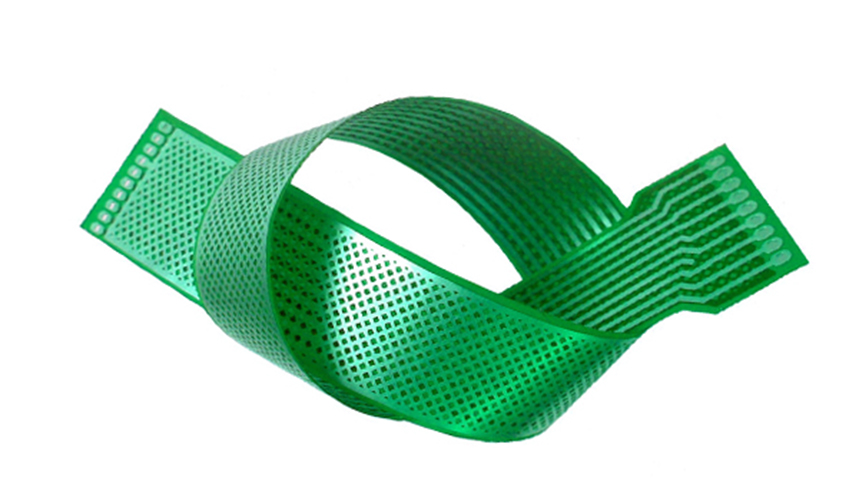
In modern electronics manufacturing, PCB warpage control in mass production is a critical factor affecting SMT yield, assembly reliability, and long-term product performance. As PCBs evolve toward higher layer counts, thinner constructions, and mixed-material stack-ups, warpage risks increase significantly if not properly controlled.
For PCB manufacturers, the ability to consistently manage warpage at scale is a clear indicator of process maturity and engineering capability.
What Is PCB Warpage?
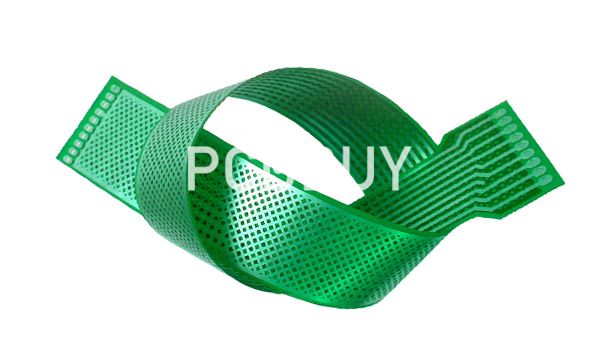
PCB warpage refers to out-of-plane deformation of a board caused by internal stress, thermal expansion mismatch, or uneven material distribution during fabrication or assembly.
|
Warpage Type |
Description |
|
Bow |
Curvature along a single axis |
|
Twist |
Diagonal distortion across the board |
|
Local warpage |
Deformation in specific areas |
|
Thermal warpage |
Deformation after thermal cycles |
Why Warpage Control Is Critical in Mass Production?
|
Impact Area |
Result if Poorly Controlled |
|
SMT assembly |
Poor solder joint formation |
|
Fine-pitch components |
Opens, bridges, misalignment |
|
BGA / QFN packages |
Head-in-pillow defects |
|
Automated handling |
Placement and transport issues |
|
Product reliability |
Early mechanical or solder failure |
Main Causes of PCB Warpage in Mass Production
|
Root Cause |
Manufacturing Impact |
|
Asymmetrical stack-up |
Uneven internal stress |
|
Unbalanced copper distribution |
Localized shrinkage |
|
Improper lamination parameters |
Residual stress buildup |
|
Material CTE mismatch |
Thermal deformation |
|
Rapid or uneven cooling |
Post-process distortion |
PCB Warpage Control Methods in Mass Production
1. Stack-Up Design Control
|
Control Aspect |
Manufacturing Practice |
Value Delivered |
|
Stack-up symmetry |
Balanced layer construction |
Stress equilibrium |
|
Dielectric matching |
Compatible prepreg/core materials |
Uniform expansion |
|
Plane layer balance |
Even copper plane distribution |
Structural stability |
|
Thickness planning |
Application-specific board thickness |
Reduced deformation |
2. Copper Balance & Inner Layer Engineering
|
Control Aspect |
Manufacturing Practice |
Value Delivered |
|
Copper density balancing |
Copper thieving and fills |
Uniform resin flow |
|
Large copper area control |
Avoid abrupt copper transitions |
Stress reduction |
|
DFM copper review |
Pre-production optimization |
Predictable flatness |
3. Lamination Process Optimization
|
Control Aspect |
Manufacturing Practice |
Value Delivered |
|
Pressure profiling |
Multi-stage pressure application |
Reduced residual stress |
|
Temperature control |
Optimized resin flow |
Uniform bonding |
|
Layup discipline |
Clean and consistent layer stacking |
Repeatability |
|
Tooling flatness |
Precision lamination plates |
Panel-level consistency |
4. Cooling & Stress Relief Management
|
Control Aspect |
Manufacturing Practice |
Value Delivered |
|
Controlled cooling |
Gradual temperature reduction |
Stress relaxation |
|
Press dwell time |
Complete resin curing |
Shape stability |
|
Post-lamination baking |
Stress relief conditioning |
Long-term flatness |
5. Mechanical Processing & Handling
|
Control Aspect |
Manufacturing Practice |
Value Delivered |
|
Routing sequence control |
Balanced material removal |
Shape retention |
|
Panel support fixtures |
Anti-warp handling tools |
Damage prevention |
|
Storage discipline |
Flat stacking and transport |
Warpage prevention |
6. Assembly-Oriented Warpage Prevention
|
Control Aspect |
Manufacturing Practice |
Value Delivered |
|
Reflow profile optimization |
Controlled thermal gradients |
Reduced thermal warpage |
|
Panelization design |
Strategic breakaway layout |
Assembly flatness |
|
Board thickness selection |
Application-matched rigidity |
SMT compatibility |
Warpage Measurement & Verification in Mass Production
|
Verification Method |
Purpose |
Quality Assurance |
|
Flatness inspection |
Measure bow and twist |
IPC compliance |
|
SPC monitoring |
Track warpage trends |
Process stability |
|
Pre- / post-reflow checks |
Assembly readiness |
Risk reduction |
|
Reliability testing |
Thermal cycling validation |
Long-term performance |
Applications Requiring Strict Warpage Control
|
Application |
Reason |
|
High-layer-count PCBs |
Structural stability |
|
HDI boards |
Fine-pitch assembly yield |
|
Automotive electronics |
Thermal reliability |
|
Server & networking hardware |
Large panel flatness |
|
High-density PCBA |
SMT defect prevention |
What Warpage Control Capability Says About a PCB Manufacturer?
A manufacturer capable of effective PCB warpage control in mass production demonstrates:
-
Advanced stack-up and material engineering
-
Mature lamination and stress management processes
-
Stable high-volume production repeatability
-
Strong assembly-oriented manufacturing awareness
These capabilities are essential for delivering flat, assembly-ready PCBs at scale.
FAQ
FAQ 1: What causes PCB warpage in mass production?
PCB warpage is mainly caused by stack-up imbalance, material mismatch, uneven copper distribution, and improper lamination or cooling processes.
FAQ 2: Why is warpage control more important in mass production?
Because even minor warpage can lead to large-scale SMT defects, yield loss, and reliability issues when boards are produced in high volumes.
FAQ 3: How can PCB warpage be reduced during fabrication?
By using symmetrical stack-up design, copper balance optimization, controlled lamination parameters, and gradual cooling methods.
FAQ 4: How is PCB warpage measured?
Warpage is measured through flatness inspection tools following IPC guidelines, both before and after assembly simulation.
FAQ 5: Can PCB warpage be completely eliminated?
No, but with proper control methods, warpage can be kept within acceptable tolerances for reliable assembly and operation.
FAQ 6: Does warpage control increase PCB manufacturing cost?
It may slightly increase process complexity, but it significantly reduces total cost by preventing assembly failures and rework.
Conclusion
PCB warpage control methods in mass production are a fundamental indicator of manufacturing discipline and engineering strength. PCB manufacturers with proven warpage control capabilities can consistently deliver flat, reliable, and assembly-ready boards, supporting high-volume and high-reliability electronic products.
Industry Category