PCBA Process Control for BGA and QFN Packages
By:PCBBUY 04/30/2026 15:38
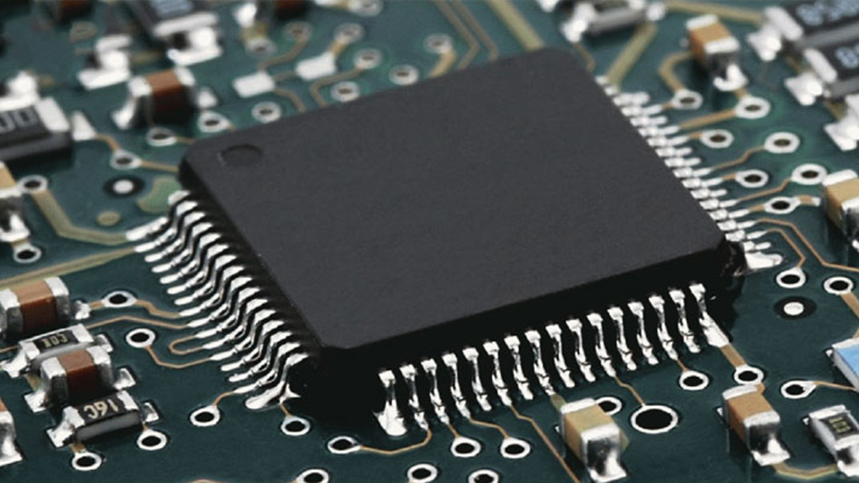
In modern electronics, PCBA process control for BGA and QFN packages has become a key indicator of a manufacturer’s technical depth. These advanced packages enable higher I/O density and better electrical performance, but they also introduce significant assembly challenges.
For experienced manufacturers such as PCBBUY, controlling BGA and QFN assembly processes is essential to ensuring high yield, long-term reliability, and stable mass production.
Understanding BGA and QFN Packages
|
Package Type |
Characteristics |
Assembly Challenge |
|
BGA (Ball Grid Array) |
Solder balls under package |
Hidden joints, void control |
|
QFN (Quad Flat No-lead) |
Exposed bottom pads |
Tombstoning, voiding, alignment |
|
Fine-pitch variants |
Small pad spacing |
Bridging, insufficient solder |
Why Process Control Is Critical for BGA and QFN PCBA?
|
Risk Without Control |
Potential Failure |
|
Poor paste volume |
Opens or weak joints |
|
Misalignment |
Shorts or head-in-pillow |
|
Improper reflow |
Voids, cold solder |
|
No inspection access |
Latent field failures |
Strong process control minimizes hidden defects that cannot be detected by visual inspection alone.

Key PCBA Process Control Stages for BGA and QFN
1. PCB Design & DFM Optimization
|
Control Item |
Best Practice |
|
Pad geometry |
IPC-compliant pad design |
|
Via-in-pad |
Filled & capped vias |
|
Solder mask |
Defined/non-defined optimization |
|
Thermal balance |
Symmetrical copper distribution |
Early DFM review prevents systemic assembly defects.
2. Solder Paste & Stencil Engineering
|
Parameter |
Process Control |
|
Stencil thickness |
0.08–0.12 mm for fine pitch |
|
Aperture design |
Reduced or windowed pads |
|
Paste type |
Type 4 / Type 5 |
|
Paste volume |
Controlled via SPI |
Accurate paste deposition is the foundation of reliable BGA and QFN solder joints.
3. High-Precision SMT Placement
|
Control Factor |
Capability Requirement |
|
Placement accuracy |
±30 µm or better |
|
Vision alignment |
Automatic fiducial recognition |
|
Component coplanarity |
Real-time correction |
|
Feeder stability |
High-speed precision feeders |
Precision placement reduces misalignment and solder collapse risks.
4. Reflow Profile Optimization
|
Reflow Parameter |
Control Objective |
|
Ramp rate |
Prevent component warpage |
|
Soak zone |
Flux activation |
|
Peak temperature |
Full solder wetting |
|
Time above liquidus |
Minimize voids |
Each BGA/QFN board requires a validated thermal profile.
5. Void Control for BGA and QFN
|
Void Source |
Control Method |
|
Excess paste |
Optimized aperture |
|
Trapped flux |
Profile tuning |
|
Via-in-pad |
Resin filling |
|
Thermal imbalance |
Copper symmetry |
Void percentage control is critical for power and automotive applications.

Inspection & Verification in BGA and QFN Assembly
|
Inspection Method |
Purpose |
|
SPI |
Paste volume & height |
|
AOI |
Placement & polarity |
|
X-ray inspection |
Hidden solder joints |
|
Functional testing |
Electrical integrity |
X-ray inspection is essential for BGA and bottom-terminated QFN devices.
Common Defects and Preventive Controls
|
Defect |
Root Cause |
Control Action |
|
Head-in-pillow |
Oxidation, warpage |
Profile & paste optimization |
|
Solder bridging |
Excess paste |
Thinner stencil |
|
Voiding |
Flux entrapment |
Reflow tuning |
|
Tombstoning |
Thermal imbalance |
Pad symmetry |
Mass Production Stability for BGA and QFN PCBA
|
Production Factor |
Control Strategy |
|
Process consistency |
SPC monitoring |
|
Equipment calibration |
Scheduled maintenance |
|
Operator variation |
Standard work instructions |
|
Batch traceability |
Lot-level tracking |
Stable mass production reflects true manufacturing maturity.
What Strong BGA & QFN Process Control Says About a Manufacturer?
A supplier proficient in pcba process control for BGA and QFN packages demonstrates:
-
Advanced fine-pitch SMT engineering
-
Mature X-ray inspection capability
-
Reliable void and warpage control
-
High first-pass yield
-
Confidence in complex, high-density PCBA projects
FAQ
FAQ 1: Why are BGA and QFN harder to assemble than traditional packages?
Because their solder joints are hidden underneath the package, making process control and inspection more challenging.
FAQ 2: How are solder joints inspected for BGA and QFN?
Through X-ray inspection, supplemented by AOI and electrical testing.
FAQ 3: What causes voids in QFN thermal pads?
Excess solder paste, trapped flux, or improper reflow profiles.
FAQ 4: Is via-in-pad required for BGA packages?
For fine-pitch BGAs, filled and capped via-in-pad is highly recommended.
FAQ 5: Can BGA and QFN be reliably mass-produced?
Yes—when stencil design, placement accuracy, reflow profiling, and inspection are tightly controlled.
FAQ 6: How does good process control reduce cost?
It lowers rework, scrap, and field failure risk, improving total cost of ownership.
Conclusion
PCBA process control for BGA and QFN packages is not a single step, but a systematic engineering discipline. Manufacturers with proven control across design, printing, placement, reflow, and inspection are best equipped to deliver high-reliability, high-density PCB assemblies for global markets.
Industry Category