SMT Yield Improvement Methods in Low Volume PCB Assembly
By:PCBBUY 04/30/2026 16:03
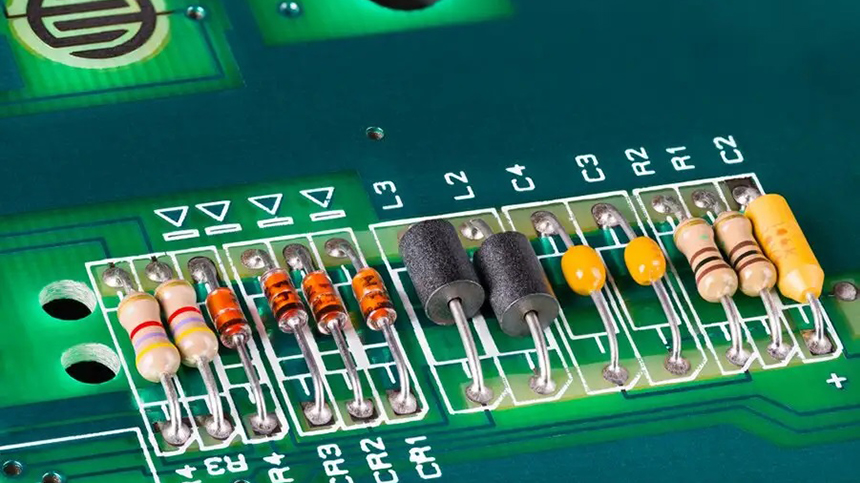
Low-volume PCB assembly is increasingly common in prototype builds, NPI stages, industrial control, medical devices, and customized electronics. However, compared with mass production, SMT yield improvement in low volume PCB assembly presents unique challenges: frequent changeovers, mixed BOMs, and limited process learning cycles.
For professional manufacturers like PCBBUY, improving SMT yield under low-volume conditions depends on engineering-driven process control rather than scale advantage.
Why SMT Yield Is Harder to Control in Low Volume Assembly?
|
Low-Volume Characteristic |
Yield Risk |
|
High-mix BOMs |
Setup errors |
|
Frequent line changeover |
Process inconsistency |
|
Limited SPC data |
Weak trend detection |
|
Prototype-level designs |
DFM risks |
|
Tight delivery schedules |
Reduced trial margin |
Yield improvement in low volume relies on doing it right the first time.
Key SMT Yield Improvement Methods in Low Volume PCB Assembly
1. Front-End DFM Review and Engineering Validation
|
Control Item |
Yield Benefit |
|
Pad & footprint review |
Prevent solder defects |
|
Component package check |
Avoid placement issues |
|
Via-in-pad assessment |
Reduce voids |
|
Panelization optimization |
Improve handling stability |
Early DFM eliminates systemic defects before production starts.
2. Optimized Stencil Design for Small Batches
|
Stencil Parameter |
Yield Control Method |
|
Thickness |
Matched to smallest pitch |
|
Aperture reduction |
Prevent bridging |
|
Step stencil |
Support mixed components |
|
Laser cutting quality |
Improve paste release |
Stencil engineering is the primary yield lever in low-volume SMT.
3. Controlled Solder Paste Printing
|
Printing Factor |
Improvement Method |
|
Paste type |
Type 4 / Type 5 for fine pitch |
|
Environmental control |
Temperature & humidity stability |
|
Printing parameters |
Speed & pressure optimization |
|
SPI inspection |
Immediate feedback loop |
SPI is especially valuable when there is no room for trial-and-error.
4. High-Precision Placement for Mixed Assemblies
|
Placement Challenge |
Control Strategy |
|
Small lot feeder setup |
Digital feeder verification |
|
Mixed package types |
Advanced vision alignment |
|
Component polarity |
Automatic detection |
|
Placement repeatability |
Pre-run dry placement |
Precision placement ensures first-pass success.
5. Reflow Profile Optimization for Small Batches
|
Reflow Parameter |
Yield Focus |
|
Ramp rate |
Prevent component warpage |
|
Soak time |
Flux activation |
|
Peak temperature |
Complete wetting |
|
Time above liquidus |
Balance strength vs voids |
Profiles are customized per board, not reused blindly.
6. Inspection Strategy Tailored to Low Volume
|
Inspection Method |
Yield Role |
|
AOI |
Immediate defect detection |
|
X-ray (BGA/QFN) |
Hidden joint verification |
|
Visual inspection |
Human judgment for edge cases |
|
Functional testing |
End-use validation |
Inspection compensates for limited statistical data.
Common SMT Defects in Low Volume PCB Assembly
|
Defect |
Root Cause |
Yield Improvement Action |
|
Solder bridging |
Excess paste |
Thinner stencil |
|
Insufficient solder |
Low paste volume |
Aperture tuning |
|
Tombstoning |
Thermal imbalance |
Pad symmetry |
|
Misplacement |
Setup error |
Placement verification |
|
Voids |
Profile mismatch |
Reflow optimization |
Process Discipline vs Scale: The Real Yield Driver
|
Factor |
Mass Production |
Low Volume |
|
SPC data |
High |
Limited |
|
Learning curve |
Long |
Short |
|
Engineering input |
Moderate |
High |
|
Flexibility |
Low |
Critical |
|
Yield strategy |
Statistical |
Engineering-driven |
In low-volume SMT, engineering quality replaces statistical advantage.
What Strong Low-Volume SMT Yield Control Indicates?
A manufacturer skilled in smt yield improvement methods in low volume pcb assembly demonstrates:
-
Robust DFM and NPI capability
-
Mature process standardization
-
Fine-pitch and mixed-technology expertise
-
High first-pass yield
-
Ability to support fast-turn and custom orders
These capabilities are essential for overseas customers seeking reliable small-batch production.
FAQ
FAQ 1: Why is SMT yield harder to control in low volume PCB assembly?
Because there is limited opportunity for process tuning, and errors must be prevented upfront.
FAQ 2: What is the most important yield improvement step for small batches?
Front-end DFM review combined with optimized stencil design.
FAQ 3: Is SPI necessary for low volume SMT?
Yes. SPI provides immediate feedback and prevents batch-level defects.
FAQ 4: How can reflow profiles be optimized for small quantities?
By using board-specific thermal profiling instead of generic profiles.
FAQ 5: Can low-volume SMT achieve high yield comparable to mass production?
Yes—when driven by engineering discipline, precise setup, and strict inspection.
FAQ 6: Does improving SMT yield reduce overall cost in small batches?
Absolutely. It minimizes rework, delays, and hidden quality risks.
Conclusion
SMT yield improvement methods in low volume PCB assembly rely on engineering expertise, precise process control, and disciplined execution. Manufacturers capable of consistently delivering high yield in small batches demonstrate a level of process maturity that directly translates into customer trust, faster time-to-market, and long-term cooperation.
Industry Category