How to Choose the Right PCB Surface Finish for Long-Term Performance?
By:PCBBUY 06/30/2026 10:38
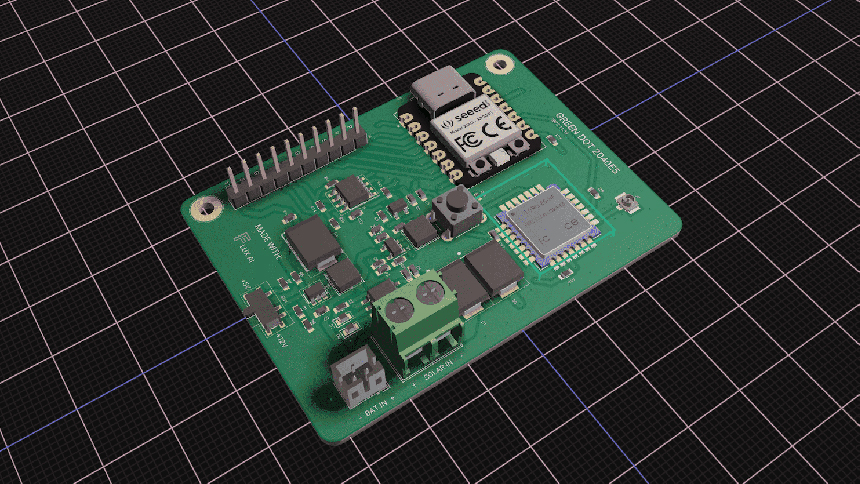
Surface finish is one of the most critical factors in high-reliability PCB manufacturing. It directly affects solder joint integrity, corrosion resistance, signal performance, and long-term durability—especially in harsh or mission-critical environments.
This guide on surface finish selection for high reliability PCB explains how different finishes perform, when they should be used, and how manufacturing capability determines real-world reliability.
At PCBBUY, multiple advanced surface finish options are supported with tight process control for industrial, automotive, and high-end electronic applications.
Why Surface Finish Matters in High-Reliability PCBs?
The PCB surface finish serves as:
-
A protective layer against copper oxidation
-
A solderable interface for component assembly
-
A reliability barrier during thermal and environmental stress
Incorrect surface finish selection can lead to:
-
Poor solder wetting
-
Brittle solder joints
-
Corrosion or oxidation
-
Electrical instability over time
For high-reliability PCBs, surface finish must be selected based on application stress, assembly method, and service environment.
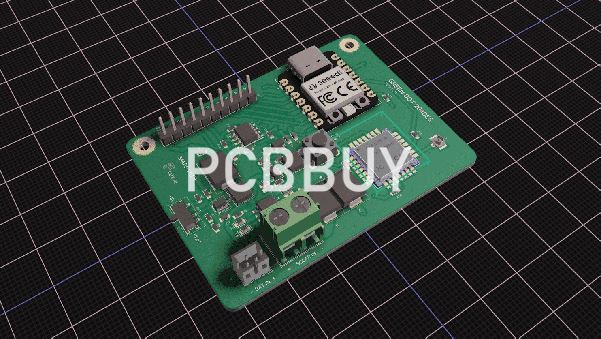
Common Surface Finishes Used in High-Reliability PCBs
ENIG (Electroless Nickel Immersion Gold)
-
Excellent solderability
-
Flat surface for fine-pitch components
-
Good corrosion resistance
Widely used for industrial and automotive electronics.
ENEPIG (Electroless Nickel Electroless Palladium Immersion Gold)
-
Superior solder joint reliability
-
Ideal for multiple reflow cycles
-
Prevents black pad risk
Preferred for high-end and mission-critical applications.
Immersion Silver
-
Excellent electrical performance
-
Suitable for high-speed and RF designs
-
Requires controlled storage conditions
Immersion Tin
-
Cost-effective and flat surface
-
Limited shelf life
-
Risk of tin whiskers if poorly controlled
HASL (Lead-Free)
-
Robust solderability
-
Uneven surface
-
Less suitable for fine-pitch components
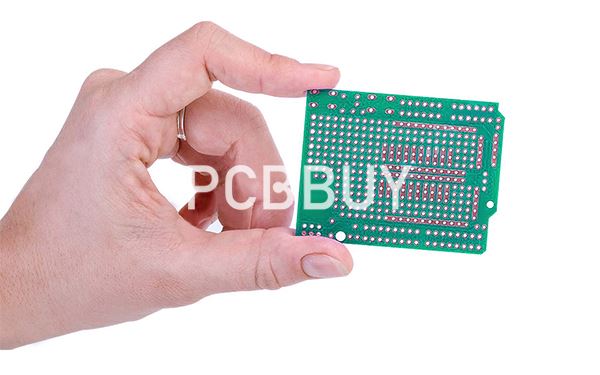
Surface Finish Comparison for High Reliability
|
Surface Finish |
Reliability Level |
Solderability |
Flatness |
Typical Applications |
|
ENIG |
High |
Excellent |
Very flat |
Industrial, automotive |
|
ENEPIG |
Very high |
Excellent |
Very flat |
High-reliability, aerospace |
|
Immersion Silver |
High |
Very good |
Flat |
High-speed, RF |
|
Immersion Tin |
Medium |
Good |
Flat |
Cost-sensitive industrial |
|
Lead-Free HASL |
Medium |
Very good |
Uneven |
Power, through-hole |
Key Factors in Surface Finish Selection
1. Assembly Process Compatibility
Fine-pitch BGA, QFN, and HDI designs require flat finishes like ENIG or ENEPIG to ensure consistent solder joints.
2. Thermal Reliability
High-reliability PCBs often undergo:
-
Lead-free reflow
-
Multiple rework cycles
-
Thermal cycling in operation
ENEPIG and controlled ENIG processes offer superior performance under thermal stress.
3. Corrosion and Environmental Resistance
For harsh environments (humidity, industrial pollution), surface finishes with strong corrosion resistance are essential.
PCBBUY supports controlled gold thickness (up to high-microinch levels) for enhanced durability.
4. Electrical Performance
For high-speed and RF applications, smooth and uniform surface finishes help reduce signal loss and impedance variation.
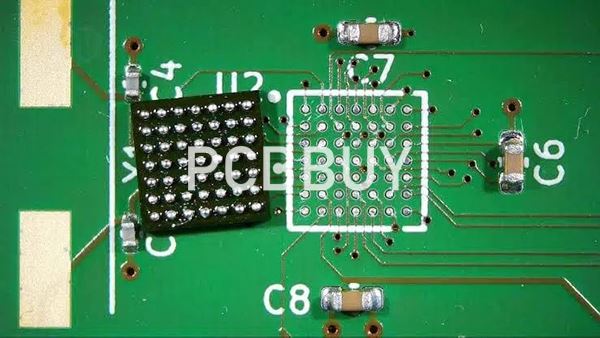
How PCBBUY Ensures Surface Finish Reliability?
PCBBUY applies strict process control across all supported surface finishes:
-
Automated chemical control for ENIG and ENEPIG
-
Uniform nickel and gold thickness control
-
Support for selective plating and thick gold requirements
-
Compatibility with high-Tg and multilayer PCB structures
-
Inspection and quality verification before SMT delivery
These controls ensure surface finishes meet both assembly and long-term reliability requirements.
Common Mistakes in Surface Finish Selection
-
Choosing HASL for fine-pitch or HDI designs
-
Ignoring shelf-life limitations of immersion finishes
-
Using ENIG without proper process control
-
Selecting surface finish based on cost alone
A professional PCB manufacturer helps avoid these risks during early project evaluation.
FAQ
Q1: Is ENEPIG always better than ENIG?
ENEPIG offers higher reliability and better performance in multiple reflow cycles, but it is not always necessary for less demanding applications.
Q2: Can surface finish affect PCB lifespan?
Yes. Poor surface finish selection can lead to solder joint degradation, corrosion, and early failure.
Q3: Is immersion silver reliable for long-term use?
It can be reliable when properly stored and assembled, especially for high-speed designs, but requires controlled handling.
Q4: Does surface finish affect high-frequency signal performance?
Yes. Surface roughness and uniformity influence signal loss and impedance consistency.
Q5: Does PCBBUY help customers choose the right surface finish?
Yes. PCBBUY provides surface finish consultation, DFM review, and reliability-oriented manufacturing support based on application requirements.
Conclusion
Proper surface finish selection for high reliability PCB is essential for ensuring stable solder joints, corrosion resistance, and long-term performance. Surface finish is not just a cosmetic choice—it is a critical reliability decision.
With multiple advanced surface finish options and strict process control, PCBBUY delivers PCB solutions tailored for high-reliability applications across global markets.
Industry Category