Sustainable PCB Manufacturing Eco Friendly Substrates
By:PCBBUY 07/31/2026 16:29
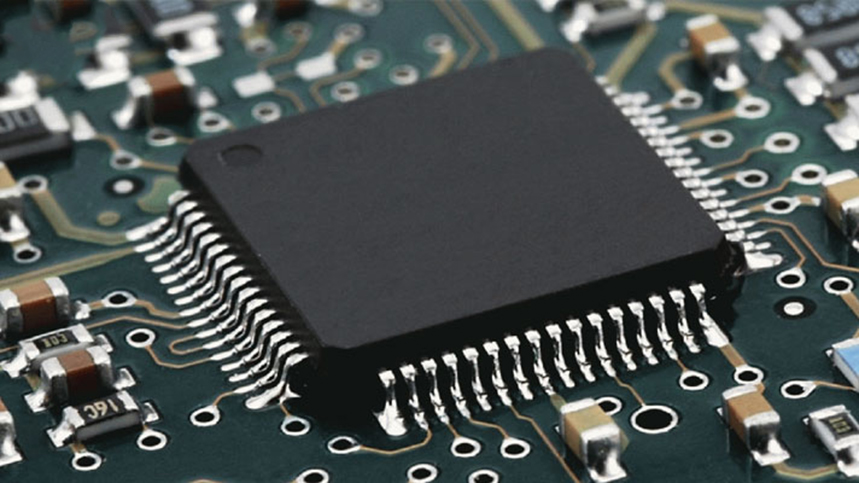
With the rapid growth of electronic products, global manufacturers are paying increasing attention to environmental responsibility, resource efficiency, and sustainable production practices.
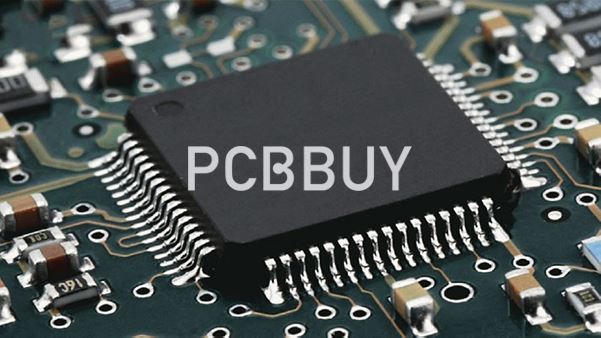
Printed circuit boards (PCBs) are essential components in almost every electronic device, but traditional PCB manufacturing involves multiple processes that consume energy, chemicals, and raw materials. Therefore, improving environmental performance throughout the PCB lifecycle has become an important goal for the electronics industry.
Sustainable PCB manufacturing eco friendly substrates focus on reducing environmental impact through:
-
Environmentally friendly PCB materials
-
Halogen-free laminates
-
Lead-free surface finishes
-
Efficient manufacturing processes
-
Waste reduction and recycling
-
Responsible chemical management
For global electronics companies, selecting a PCB supplier with sustainable manufacturing capabilities helps achieve environmental compliance while maintaining product reliability.
As a professional PCB manufacturer, PCBBUY supports environmentally responsible PCB production through halogen-free materials, high-performance eco-friendly laminates, optimized manufacturing processes, and strict quality control systems to deliver reliable and sustainable PCB solutions.
What Is Sustainable PCB Manufacturing?
Sustainable PCB manufacturing refers to the development and production of printed circuit boards using processes and materials that minimize environmental impact while maintaining electrical performance and reliability.
A sustainable PCB manufacturing approach considers the entire production lifecycle:
|
Manufacturing Stage |
Sustainability Focus |
|
Material Selection |
Use eco-friendly substrates |
|
PCB Fabrication |
Reduce chemical and energy consumption |
|
Surface Treatment |
Apply environmentally compliant finishes |
|
Quality Control |
Reduce production waste |
|
Packaging & Shipping |
Minimize environmental impact |
Why Eco-Friendly PCB Materials Matter?
The substrate material is one of the most important components affecting PCB environmental performance.
Traditional PCB laminates may contain materials that create environmental concerns during manufacturing or disposal.
Eco-friendly substrates are designed to provide:
-
Lower environmental impact
-
Better regulatory compliance
-
Reduced hazardous substance usage
-
Reliable electrical performance
Common Eco-Friendly PCB Substrates
1. Halogen-Free PCB Laminates
Halogen-free PCB materials are among the most widely adopted sustainable substrate solutions.
Traditional flame-retardant materials may contain halogen elements such as bromine, while halogen-free laminates use alternative flame-retardant systems.
Advantages of Halogen-Free Materials
|
Feature |
Environmental Benefit |
|
Reduced Halogen Content |
Lower environmental risk |
|
Improved Compliance |
Meets global regulations |
|
Low Smoke Generation |
Safer during fire conditions |
|
Reliable Electrical Performance |
Maintains PCB functionality |
Applications include:
-
Consumer electronics
-
Industrial equipment
-
Automotive electronics
-
Communication systems
PCBBUY supports halogen-free PCB material options for customers requiring environmentally responsible solutions.
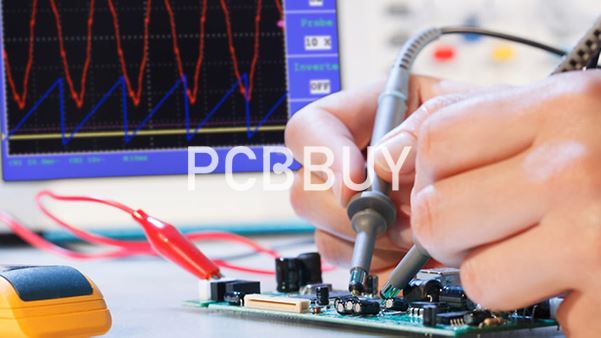
2. Lead-Free PCB Manufacturing
Lead-free manufacturing is a major part of sustainable electronics production.
It includes:
-
Lead-free soldering
-
RoHS-compliant materials
-
Environmentally friendly surface finishes
|
Traditional Process |
Sustainable Alternative |
|
Lead-based solder |
Lead-free solder |
|
Restricted substances |
RoHS-compliant materials |
|
High-risk chemicals |
Controlled chemical processes |
Benefits:
-
Improved environmental safety
-
Easier recycling
-
Compliance with international standards
3. Low-Loss and High-Efficiency PCB Materials
Sustainable PCB manufacturing is not only about materials but also about improving energy efficiency during product operation.
Advanced materials such as low-loss laminates can help:
-
Reduce signal transmission loss
-
Improve system efficiency
-
Reduce energy consumption
|
Material Type |
Sustainability Benefit |
|
Low-Loss PCB Materials |
Lower energy loss in high-speed systems |
|
High-TG Materials |
Longer product lifetime |
|
Durable Laminates |
Reduced replacement frequency |
Comparison of Common PCB Substrate Materials
|
PCB Material |
Environmental Performance |
Performance Characteristics |
Applications |
|
Standard FR-4 |
Moderate |
General performance |
Consumer electronics |
|
Halogen-Free FR-4 |
Excellent |
Environmentally compliant |
Industrial electronics |
|
High-TG Halogen-Free PCB |
Excellent |
High reliability |
Automotive, servers |
|
Low-Loss Eco Materials |
Excellent |
High-speed performance |
Communication systems |
|
Metal Core PCB |
Good |
Excellent thermal performance |
LED, power electronics |
Sustainable PCB Surface Finish Options
Surface finish selection also affects environmental compliance.
Common environmentally preferred finishes include:
|
Surface Finish |
Environmental Advantage |
Applications |
|
ENIG |
Lead-free compatible |
High reliability PCB |
|
ENEPIG |
Long lifetime performance |
Advanced electronics |
|
OSP |
Low chemical usage |
Fine-pitch PCB |
|
Lead-Free HASL |
RoHS compliant |
General applications |
PCBBUY provides multiple surface finish options according to customer requirements and application needs.
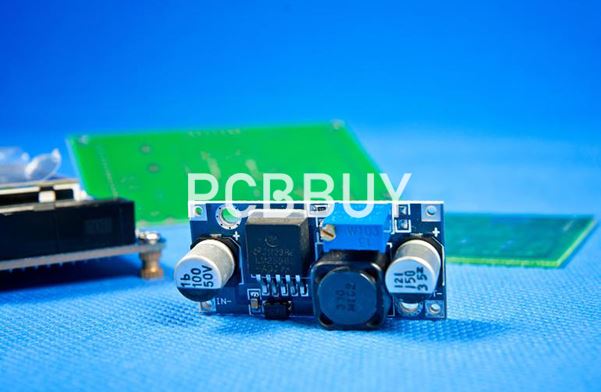
Green PCB Manufacturing Processes
Sustainable PCB production requires continuous improvement in manufacturing efficiency.
1. Chemical Management
PCB fabrication uses various chemical processes, including:
-
Etching
-
Plating
-
Surface treatment
Effective chemical management helps:
|
Improvement |
Environmental Benefit |
|
Chemical Recycling |
Reduce waste |
|
Process Optimization |
Lower consumption |
|
Proper Treatment |
Prevent pollution |
2. Energy-Efficient Manufacturing
Modern PCB factories improve sustainability through:
-
Energy-efficient equipment
-
Optimized production scheduling
-
Reduced idle operation
-
Improved process automation
Benefits:
|
Goal |
Result |
|
Lower Energy Consumption |
Reduced carbon footprint |
|
Higher Automation |
Improved consistency |
|
Better Process Control |
Less material waste |
3. Waste Reduction and Recycling
PCB manufacturing generates materials such as:
-
Copper waste
-
Chemical waste
-
Packaging materials
Sustainable practices include:
|
Waste Type |
Recycling Approach |
|
Copper Scrap |
Metal recovery |
|
Production Materials |
Reuse programs |
|
Packaging |
Reduced or recyclable materials |
|
Chemical Waste |
Controlled treatment |
Sustainable PCB Manufacturing and Product Reliability
Environmental responsibility must be combined with performance.
Eco-friendly PCB solutions should still provide:
-
Electrical reliability
-
Thermal stability
-
Mechanical strength
-
Long service life
|
Reliability Requirement |
Sustainable PCB Solution |
|
High Temperature Resistance |
High-TG materials |
|
Long Product Lifetime |
Durable laminates |
|
Signal Integrity |
Low-loss materials |
|
Power Performance |
Thermal PCB technologies |
PCBBUY Sustainable PCB Manufacturing Capabilities
For customers seeking environmentally responsible PCB solutions, PCBBUY provides:
|
Capability |
Customer Benefit |
|
Halogen-Free PCB Materials |
Supports green electronics requirements |
|
RoHS-Compliant Manufacturing |
Meets international regulations |
|
High-TG PCB Production |
Improves product lifetime |
|
HDI PCB Technology |
Enables compact designs |
|
Advanced Surface Finishes |
Supports reliable assembly |
|
Strict Quality Control |
Reduces production waste |
PCBBUY combines advanced manufacturing technology with quality management to provide reliable PCB solutions for environmentally conscious industries.
Applications of Sustainable PCB Solutions
Eco-friendly PCBs are increasingly used in:
|
Industry |
Application Examples |
|
Automotive |
EV electronics, battery systems |
|
Consumer Electronics |
Smartphones, smart devices |
|
Communication |
5G equipment, networking products |
|
Industrial Control |
Automation systems |
|
Renewable Energy |
Solar and energy storage systems |
|
Medical Electronics |
Reliable healthcare equipment |
How to Choose an Eco-Friendly PCB Manufacturer?
When selecting a sustainable PCB supplier, engineers should evaluate:
|
Evaluation Factor |
Importance |
|
Material Compliance |
Ensures environmental standards |
|
Manufacturing Process |
Reduces ecological impact |
|
Quality System |
Maintains reliability |
|
Material Options |
Supports different applications |
|
Production Capability |
Ensures stable supply |
Best Practices for Sustainable PCB Design
PCB designers can improve sustainability by considering:
|
Design Practice |
Sustainability Benefit |
|
Use Durable Materials |
Extend product lifetime |
|
Optimize PCB Size |
Reduce material usage |
|
Reduce Layer Complexity When Possible |
Lower manufacturing impact |
|
Select RoHS Materials |
Improve environmental compliance |
|
Design for Recycling |
Simplify end-of-life processing |
Conclusion
Sustainable PCB manufacturing is becoming increasingly important as electronics companies focus on environmental responsibility and long-term product reliability.
By using eco friendly substrates, environmentally compliant materials, optimized manufacturing processes, and responsible quality control methods, PCB manufacturers can reduce environmental impact while maintaining high performance.
From halogen-free laminates and lead-free production to advanced PCB fabrication technologies, PCBBUY provides sustainable PCB manufacturing solutions that support modern electronics industries including automotive, communication, industrial control, and renewable energy applications.
FAQ
1. What is sustainable PCB manufacturing?
Sustainable PCB manufacturing refers to PCB production methods that reduce environmental impact through eco-friendly materials, efficient processes, waste reduction, and regulatory compliance.
2. What are eco-friendly PCB substrates?
Eco-friendly PCB substrates are environmentally responsible laminate materials designed to reduce hazardous substances while maintaining PCB electrical and mechanical performance.
Common examples include:
-
Halogen-free FR-4
-
High-TG green laminates
-
Low-loss environmentally compliant materials
3. Are halogen-free PCBs better for the environment?
Yes. Halogen-free PCBs reduce the use of restricted flame-retardant substances and support compliance with environmental regulations such as RoHS requirements.
4. What standards are related to sustainable PCB manufacturing?
Common standards and regulations include:
-
RoHS compliance
-
REACH requirements
-
Lead-free manufacturing practices
-
Environmental management systems
5. Do eco-friendly PCB materials affect performance?
No. Modern sustainable PCB materials are designed to provide comparable or improved:
-
Electrical performance
-
Thermal stability
-
Mechanical reliability
6. Why is lead-free PCB manufacturing important?
Lead-free manufacturing reduces hazardous material usage and improves environmental safety throughout electronics production and recycling.
7. What sustainable PCB capabilities does PCBBUY provide?
PCBBUY supports environmentally responsible PCB manufacturing with halogen-free materials, RoHS-compliant processes, high-TG PCB solutions, advanced surface finishes, HDI technology, and strict quality control systems.
Industry Category