Unlocking Z-Axis Power Feed for Milling in PCB Manufacturing
By:PCBBUY 11/24/2025 15:21
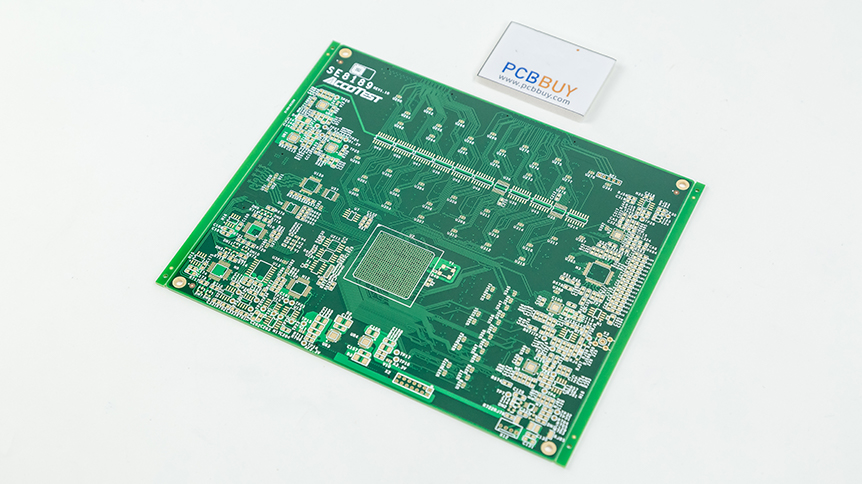
The integration of a Z-axis power feed system in CNC milling plays a critical role in modern PCB mechanical processing. This feature ensures precise vertical tool movement, enabling stable depth control, improved surface finishing, and consistent dimensional accuracy—especially for advanced designs requiring special slotting or partial-depth milling.
If you’ve ever wondered how manufacturers control the depth of milling so precisely—or how they keep slot walls smooth and consistent even in mass production—this article will explain everything. Let’s dive into why the Z-axis power feed for milling matters and how PCBBUY uses it to deliver high-precision PCB results.
What Is a Z-Axis Power Feed for Milling?
In simple terms, a Z-axis power feed is a motorized system that controls the vertical (Z-axis) movement of a milling tool. Instead of manually lowering the bit, the system automatically adjusts:
-
Downward feed rate
-
Cutting depth
-
Pressure applied during milling
This ensures every cut—whether it’s a rectangular slot, counterbore, countersink, or partial-depth milling—is accurate and stable.
Why It Matters in PCB Manufacturing
1. Superior Depth Control
When you milling a slot that should be exactly 1.2 mm deep, there’s no room for guesswork.
The Z-axis power feed ensures:
-
zero deviation
-
perfectly flat bottom surfaces
-
precisely controlled depth tolerance
This becomes crucial for connector slots, chamfered edges, or parts requiring flush installation.
2. Smooth, Consistent Milling Quality
Manual feed can create:
-
uneven cut marks
-
rough inner walls
-
burrs around slot edges
But with automatic Z-axis feed, the milling tool descends steadily, producing much smoother results.
3. Stability for Special Features
The Z-axis power feed allows PCBBUY to manufacture:
-
rectangle slots
-
internal cutouts
-
deep or partial-depth pocket milling
-
countersinks for screw heads
-
counterbores for mechanical fasteners
All with consistent quality—even in high-volume production.

How PCBBUY Uses Z-Axis Power Feed to Enhance PCB Quality?
At PCBBUY, CNC routing machines are equipped with automated Z-axis power feed systems. This helps us achieve:
✔ Depth tolerance of ±0.05 mm
Perfect for mechanical assemblies that rely on precise fit.
✔ Clean slot and edge finishing
Reduced burrs, cleaner walls, better overall appearance.
✔ Compatibility with multiple materials
FR4
Aluminum PCB
Copper-based PCB
Ceramic substrates
✔ Perfect rectangular slots & PTH / NPTH routing
Whether it’s a simple mechanical slot or a plated, precisely aligned connector opening, the Z-axis power feed ensures high reliability.
DFM Tips for Engineers Designing Milling Features
1. Slot Width & Tool Size
Minimum recommended milling tool: 1.6–2.0 mm
Narrower slots require special discussion.
2. Tolerance Expectations
-
Route width: ±0.1 mm
-
Slot depth: ±0.05 mm
3. Plated or Non-Plated Slots
-
PTH slots are possible but require proper layer markings.
-
Indicate plating clearly in mechanical layers.
4. File Requirements
Include the following:
-
Milling outline in mechanical layer
-
Clear depth notes
-
Slot size table
-
Gerber + Drill files

Applications in Modern Electronics
Z-axis power feed milling is essential in:
-
Industrial controllers
-
Power modules
-
EV components
-
High-precision modules
-
Metal-core PCBs
-
Connectors and structural installation areas
Wherever mechanical accuracy matters, Z-axis milling matters.
Conclusion
The Z-axis power feed may not be the most glamorous part of PCB production, but it’s one of the key technologies that ensures accuracy, stability, and high-quality finishing. At PCBBUY, we use advanced CNC routing systems with automated Z-axis power feed to deliver precision every time—whether you need simple slots or complex mechanical features.
Want to see how your PCB design performs with high-precision milling?
Upload your Gerber files to PCBBUY and get an instant quote.
FAQ
1. What does the Z-axis power feed do in PCB milling?
It automatically controls the downward movement and cutting depth of the milling tool, ensuring precise and consistent cuts.
2. Can PCBBUY make rectangular slots using Z-axis milling?
Yes. PCBBUY specializes in rectangular slots, long openings, special pockets, and custom slot shapes.
3. What milling tolerances can PCBBUY achieve?
Typically:
-
Slot width: ±0.1 mm
-
Depth: ±0.05 mm
-
Counterbore/countersink: depending on tool size
4. Is the Z-axis power feed required for aluminum PCBs?
Yes, especially to prevent tool chatter and uneven depth during cutting.
5. How should I specify milling in my Gerber files?
Include mechanical drawings showing slot size, depth, and plating requirements.
Industry Category