Via Reliability in 8 Layer PCB Manufacturing
By:PCBBUY 03/27/2026 16:20
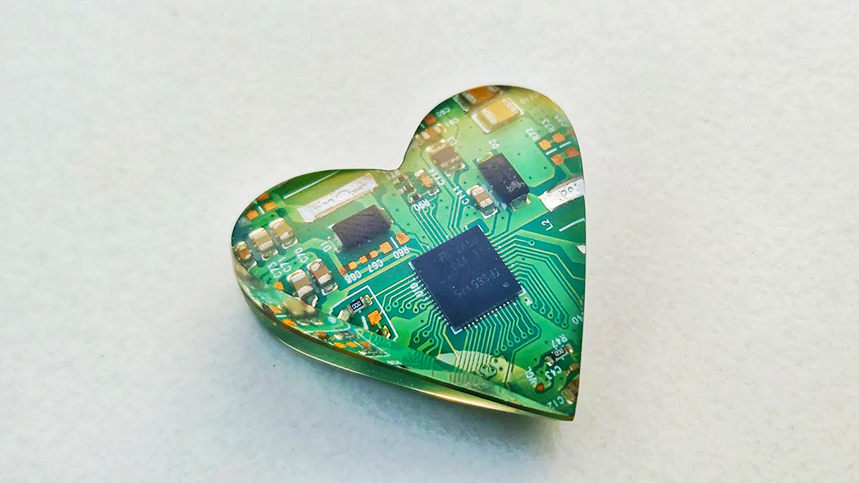
In multilayer PCB fabrication, vias are the most critical electrical and mechanical interconnections between layers. For 8 layer PCBs, via reliability plays a decisive role in signal integrity, long-term durability, and product yield.
This article explains why via reliability is challenging in 8 layer PCB manufacturing and outlines practical methods used by professional PCB manufacturers to improve via performance and consistency.
Why Via Reliability Matters in 8 Layer PCBs?
8 layer PCBs are widely used in industrial control, networking equipment, automotive electronics, and embedded systems, where boards must withstand:
-
Thermal cycling
-
Mechanical stress
-
High current density
-
Long-term operation
Via failures can lead to intermittent connections, open circuits, or early field failures, making via reliability a key indicator of a PCB factory’s process capability.

Common Via Reliability Risks in 8 Layer PCB Manufacturing
|
Risk Factor |
Description |
Potential Failure |
|
High aspect ratio |
Thicker boards with small holes |
Poor copper coverage |
|
Thermal expansion mismatch |
Resin vs copper |
Barrel cracks |
|
Incomplete desmear |
Resin residue on hole walls |
Weak copper adhesion |
|
Uneven copper plating |
Thickness variation |
Reduced fatigue life |
|
Excessive drilling damage |
Rough hole walls |
Microcracks |
Via Reliability in 8 Layer PCB Manufacturing – Process-Level Methods
1. Controlled Drilling Process
|
Control Method |
Technical Practice |
Reliability Benefit |
|
Optimized drill parameters |
Controlled speed, feed & hit count |
Smooth hole walls |
|
Tool life management |
Regular drill bit replacement |
Consistent hole quality |
|
Entry & backup material |
Proper support during drilling |
Reduced burrs & smear |
2. Advanced Desmear & Hole Wall Preparation
|
Control Method |
Technical Practice |
Reliability Benefit |
|
Plasma desmear |
Removes resin smear uniformly |
Clean hole walls |
|
Wet chemical desmear |
Controlled permanganate process |
Improved copper adhesion |
|
Micro-etch treatment |
Enhances surface roughness |
Strong metallization bond |
3. Via Copper Plating Optimization
|
Control Method |
Technical Practice |
Reliability Benefit |
|
Pulse or periodic reverse plating |
Uniform current distribution |
Even barrel thickness |
|
Minimum copper thickness control |
IPC Class II / III standards |
Increased via fatigue life |
|
Bath chemistry monitoring |
Automatic analysis & replenishment |
Stable plating quality |
4. Lamination & Thermal Stress Management
|
Control Method |
Technical Practice |
Reliability Benefit |
|
Balanced stack-up design |
Symmetrical layer structure |
Reduced stress |
|
Controlled lamination cycles |
Optimized pressure & temperature |
Prevents microcracking |
|
Low-CTE materials |
Matched prepreg selection |
Improved thermal stability |
5. Via Reliability Inspection & Testing
|
Control Method |
Technical Practice |
Reliability Benefit |
|
Microsection analysis |
Cross-sectioning of vias |
Verifies copper integrity |
|
X-ray inspection |
Internal via continuity check |
Detects hidden defects |
|
Electrical testing |
100% net continuity testing |
Eliminates open vias |
|
Thermal stress testing |
Simulated heat cycling |
Confirms long-term reliability |
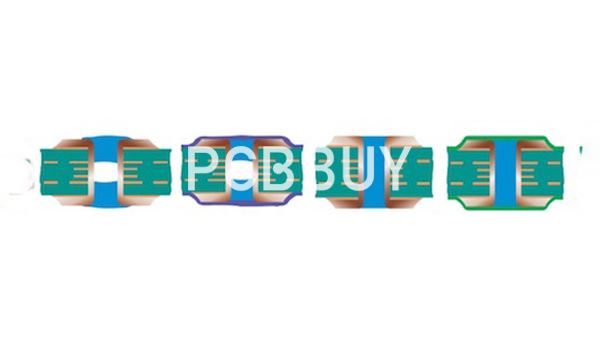
Typical Via Structures in 8 Layer PCBs
|
Via Type |
Application |
Reliability Focus |
|
Through-hole vias |
Standard interlayer connection |
Barrel copper thickness |
|
Stacked vias |
Compact routing |
Alignment & plating uniformity |
|
Staggered vias |
High-reliability designs |
Stress distribution |
|
Via-in-pad (filled) |
High-density designs |
Filling quality & cap plating |
Why Via Reliability Reflects PCB Manufacturing Capability
Strong via reliability in 8 layer PCB manufacturing indicates that a factory has:
-
Precise drilling and desmear control
-
Stable copper plating capability
-
Mature lamination and material management
-
Comprehensive inspection and test systems
These capabilities directly translate into higher yield, lower failure rates, and better field performance.
FAQ
FAQ 1: What is via reliability in 8 layer PCB manufacturing?
Via reliability refers to a via’s ability to maintain electrical continuity and mechanical integrity throughout manufacturing and during the product’s service life.
FAQ 2: Why are vias more critical in 8 layer PCBs than in simpler boards?
8 layer PCBs are thicker and experience greater thermal and mechanical stress, making vias more susceptible to barrel cracking and fatigue.
FAQ 3: What is a typical via aspect ratio for 8 layer PCBs?
A common safe aspect ratio is ≤10:1, though advanced manufacturers can reliably support higher ratios with optimized plating processes.
FAQ 4: How does copper thickness affect via reliability?
Thicker and more uniform copper plating improves current carrying capacity, fatigue resistance, and thermal durability of vias.
FAQ 5: Can via reliability issues be detected before shipment?
Yes. Microsection analysis, X-ray inspection, and 100% electrical testing can identify most via-related defects before delivery.
FAQ 6: Does improving via reliability increase PCB cost?
Slightly. Additional process control and testing may increase cost, but it significantly reduces rework, scrap, and field failure risks, lowering total cost of ownership.
Conclusion
Via reliability in 8 layer PCB manufacturing is the result of systematic process control, not a single operation. From drilling and desmear to plating, lamination, and inspection, each step contributes to robust via performance and long-term product reliability.
Industry Category