What Causes Aluminum PCB Dielectric Layer Degradation?
By:PCBBUY 08/31/2026 16:54
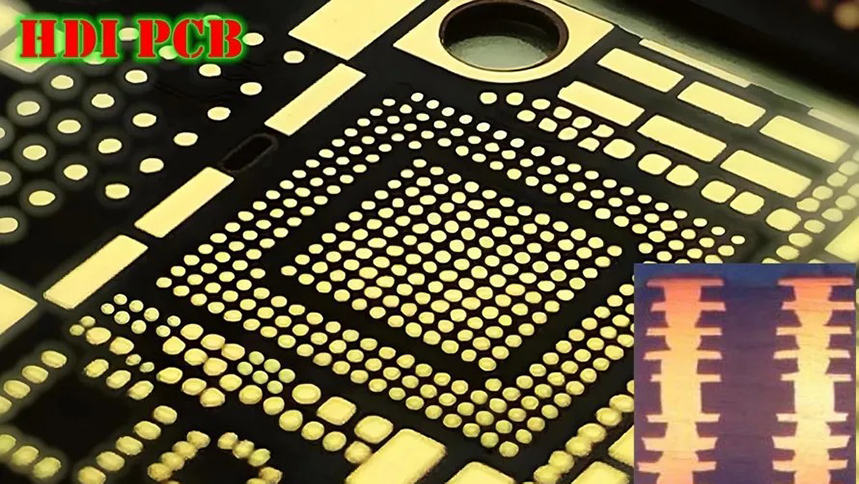
Aluminum PCBs, also known as metal core PCBs, are widely used where efficient heat dissipation is required. They are particularly common in automotive electronics, industrial control, power supplies, energy storage systems, new-energy equipment, LED applications, and compact motor-control systems.
In these applications, the dielectric layer is critical because it electrically isolates the copper circuit from the aluminum metal core while providing a thermal path between them.
When the dielectric layer deteriorates, the PCB may experience increased leakage current, reduced insulation reliability, thermal performance degradation, or even electrical breakdown.
Understanding the aluminum PCB dielectric layer degradation causes is therefore essential for both PCB design and manufacturing quality control. From an experienced PCB engineering perspective, dielectric degradation is rarely caused by a single factor. Material selection, operating temperature, thermal cycling, electrical stress, lamination quality, copper geometry, and manufacturing consistency can all contribute to long-term performance.
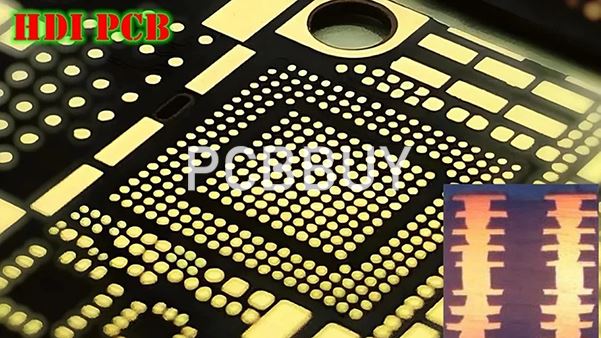
What Is the Dielectric Layer in an Aluminum PCB?
A typical aluminum PCB consists of three primary functional layers:
-
Copper circuit layer
-
Dielectric insulation layer
-
Aluminum metal base
The dielectric layer performs two jobs simultaneously. First, it provides electrical insulation between the copper circuit and aluminum base. Second, it provides a relatively efficient thermal path for transferring heat from the copper circuit toward the metal core.
This creates a fundamental design trade-off. A dielectric layer must provide sufficient electrical insulation while also allowing heat to move through the PCB efficiently. Making the layer excessively thick can increase thermal resistance, while insufficient insulation or poor dielectric integrity can reduce electrical reliability.
What Causes Aluminum PCB Dielectric Layer Degradation?
1. Excessive Operating Temperature
Temperature is one of the most important factors affecting long-term dielectric reliability.
When an aluminum PCB operates continuously at elevated temperatures, the dielectric material may experience accelerated aging. High temperature can affect its resin system, bonding characteristics and electrical insulation properties.
The problem becomes more significant when heat is generated directly above a concentrated copper area, such as beneath power components.
For automotive, power and energy-storage applications, the thermal design should therefore consider both the component junction temperature and the temperature distribution across the PCB.
2. Repeated Thermal Cycling
Even when the maximum operating temperature remains within the material specification, repeated heating and cooling can introduce mechanical stress.
The copper layer, dielectric material and aluminum base have different coefficients of thermal expansion. During thermal cycling, these materials expand and contract at different rates.
Over many cycles, this can contribute to:
-
Interfacial stress
-
Microcracks
-
Delamination
-
Changes in dielectric integrity
-
Localized electrical insulation failure
For equipment exposed to frequent temperature changes, thermal cycling should be considered during material selection and reliability evaluation rather than looking only at the maximum operating temperature.
3. Excessive Electrical Stress
The dielectric layer must withstand the voltage difference between the copper circuit and aluminum core. If the applied voltage, electric field or local defect exceeds the dielectric system's capability, insulation breakdown can occur.
Electrical stress can become more concentrated around:
-
Sharp copper features
-
Narrow clearances
-
Local dielectric defects
-
Voids
-
Uneven dielectric thickness
-
Damaged areas
Consequently, high-voltage aluminum PCB designs require careful control of insulation thickness and copper geometry.
4. Voids and Localized Defects
Manufacturing defects can create localized weak points inside the dielectric system.
A void or poorly bonded area can reduce the effective insulation margin and may also interfere with heat transfer. Under thermal and electrical stress, such areas can become potential sites for degradation. For this reason, dielectric quality should be evaluated as part of the complete PCB manufacturing process rather than treated solely as a material-selection issue.
5. Moisture and Environmental Exposure
Moisture absorption can affect the electrical characteristics of some dielectric systems. Under high temperature and electrical stress, moisture can further increase the risk of insulation degradation. The actual impact depends strongly on the dielectric material, construction, surface protection and application environment.
Automotive and industrial products may experience humidity, condensation and temperature cycling, so environmental requirements should be communicated to the PCB manufacturer before production.
6. Mechanical Stress and Poor Handling
The dielectric layer can also be affected by mechanical processing and handling. Excessive bending, inappropriate machining, aggressive depanelization or mechanical damage around the PCB edge may compromise the insulation system. For aluminum PCBs, mechanical processing parameters should therefore be controlled together with electrical and thermal requirements.
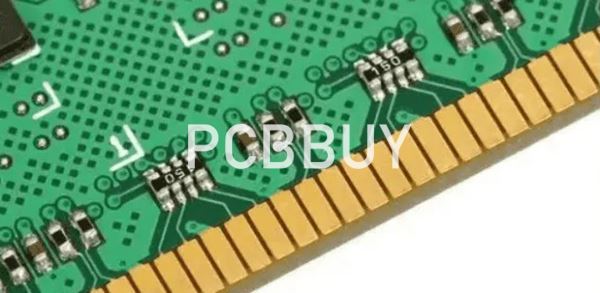
Which Factors Have the Greatest Impact on Dielectric Reliability?
|
Factor |
Potential effect on dielectric layer |
Engineering response |
|
High operating temperature |
Accelerated material aging |
Select a suitable dielectric system and control thermal load |
|
Thermal cycling |
Interfacial and mechanical stress |
Evaluate CTE compatibility and thermal-cycle requirements |
|
High electrical stress |
Insulation degradation or breakdown |
Control dielectric thickness, spacing and voltage stress |
|
Voids or poor bonding |
Localized thermal/electrical weak points |
Strengthen material and process quality control |
|
Moisture |
Changes in insulation behavior |
Consider environmental conditions and appropriate protection |
|
Mechanical damage |
Local insulation defects |
Control routing, drilling and depanelization processes |
How Can Designers Prevent Aluminum PCB Dielectric Layer Degradation?
Choose the Dielectric System According to the Application
There is no universal dielectric material that is optimal for every aluminum PCB. A high-power industrial controller, an automotive lighting module and an energy-storage power board may have completely different requirements.
Material selection should consider:
-
Operating temperature
-
Required dielectric strength
-
Thermal performance
-
Thermal cycling
-
Operating voltage
-
Environmental conditions
-
PCB thickness
-
Component power density
The manufacturer's recommended construction should be verified before production.
Control Heat Concentration
A thermally efficient aluminum PCB still requires good layout. High-power components should be positioned so that heat can spread efficiently into the copper layer and metal core. Large thermal bottlenecks or excessive localized heat generation should be avoided.
Copper area, component placement and thermal interfaces should therefore be considered together.
Avoid Unnecessary Electrical Stress Concentration
Copper geometry can influence local electric-field distribution. Where insulation reliability is important, designers should avoid unnecessarily sharp copper features and ensure that the clearance and dielectric structure are appropriate for the working voltage and applicable safety requirements.
Consider the Complete Reliability Environment
A PCB operating at moderate temperature in a stable indoor environment may have very different reliability requirements from a board installed in an automotive or new-energy system.
For demanding applications, consider:
-
Temperature cycling
-
Humidity exposure
-
Electrical insulation testing
-
Thermal aging
-
Mechanical stress
-
Long-term operating temperature
The appropriate reliability tests should be selected according to the end product and applicable industry requirements.
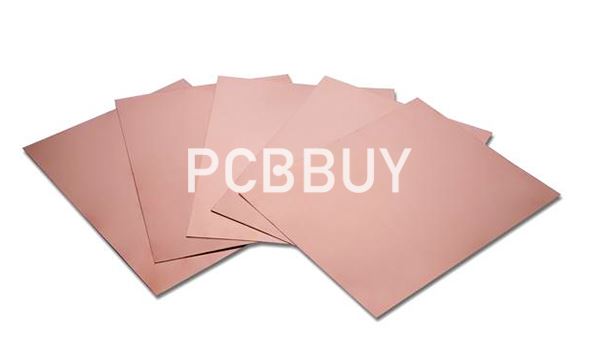
How Does PCBBUY Approach Aluminum PCB Manufacturing?
For applications requiring aluminum or other specialized PCB constructions, PCBBUY recommends evaluating the complete design and application requirements before production.
Its broader PCB manufacturing capabilities include multilayer PCB production, customized copper thickness, high-TG materials, HDI structures, copper paste/resin-filled vias, and controlled impedance solutions. These capabilities are particularly relevant when an aluminum
PCB is part of a more complex power or thermal-management design. PCBBUY also uses manufacturing inspection processes such as AOI, flying probe testing and four-wire low-resistance testing for applicable PCB products. Quality control should be matched to the specific construction and customer requirements rather than assuming that every test applies to every aluminum PCB.
For an aluminum PCB with demanding thermal or insulation requirements, customers should provide the Gerber files, stackup or construction information, operating voltage, expected temperature range and application requirements during the engineering review.
This allows potential material and process risks to be identified before mass production.
Why Is Manufacturing Consistency Important for Dielectric Reliability?
The dielectric layer is a functional part of the PCB rather than simply an adhesive layer.
Its thickness, bonding condition, material properties and interface with copper and aluminum all influence the final electrical and thermal behavior.
For this reason, aluminum PCB quality should be evaluated at multiple levels:
-
Incoming material control
-
Lamination/bonding process
-
Copper circuit fabrication
-
Mechanical processing
-
Electrical testing
-
Visual and automated inspection
-
Final product inspection
A stable manufacturing process helps reduce variation between production lots and provides a more predictable foundation for long-term product reliability.
Conclusion
The main aluminum PCB dielectric layer degradation causes include excessive temperature, repeated thermal cycling, electrical overstress, material or bonding defects, moisture exposure and mechanical damage.
For high-power applications, simply selecting an aluminum core is not enough. The dielectric system must provide the required combination of electrical insulation, thermal transfer and long-term reliability.
For automotive electronics, industrial control, power supplies, energy storage, new-energy equipment and embodied robotics, the most effective approach is to evaluate the PCB as a complete thermal-electrical-mechanical system.
By reviewing the Gerber files, construction requirements and operating conditions before production, PCBBUY can help customers identify appropriate manufacturing solutions and control critical PCB quality characteristics for demanding applications.
FAQ
What is the function of the dielectric layer in an aluminum PCB?
The dielectric layer electrically isolates the copper circuit from the aluminum base while providing a thermal path between them. Its electrical and thermal properties directly affect PCB reliability.
What is the most common cause of aluminum PCB dielectric degradation?
There is no single cause. Long-term thermal stress, thermal cycling, electrical overstress, material defects, moisture and mechanical damage can all contribute to dielectric degradation.
Can high temperature damage an aluminum PCB dielectric layer?
Yes. Prolonged exposure to elevated temperatures can accelerate aging of the dielectric material. The actual allowable temperature depends on the specific dielectric system and PCB construction.
Does thermal cycling affect aluminum PCB reliability?
Yes. Copper, dielectric materials and aluminum have different thermal expansion characteristics. Repeated heating and cooling can therefore create mechanical stress within the PCB structure and potentially contribute to long-term degradation.
How can I improve aluminum PCB dielectric reliability?
Start with an appropriate dielectric system and construction, then control operating temperature, electrical stress, thermal cycling and manufacturing quality. The PCB should be evaluated according to the actual requirements of the end application.
Can PCBBUY manufacture aluminum PCBs for power applications?
PCBBUY provides PCB manufacturing and engineering support for demanding applications, including automotive, industrial control, power, energy storage and new-energy products. For aluminum PCB projects, the exact material system and construction should be confirmed with PCBBUY during engineering review based on the customer's Gerber files and application requirements.
Industry Category