What Is Traceability in PCB Manufacturing Supply Chain?
By:PCBBUY 08/31/2026 17:38
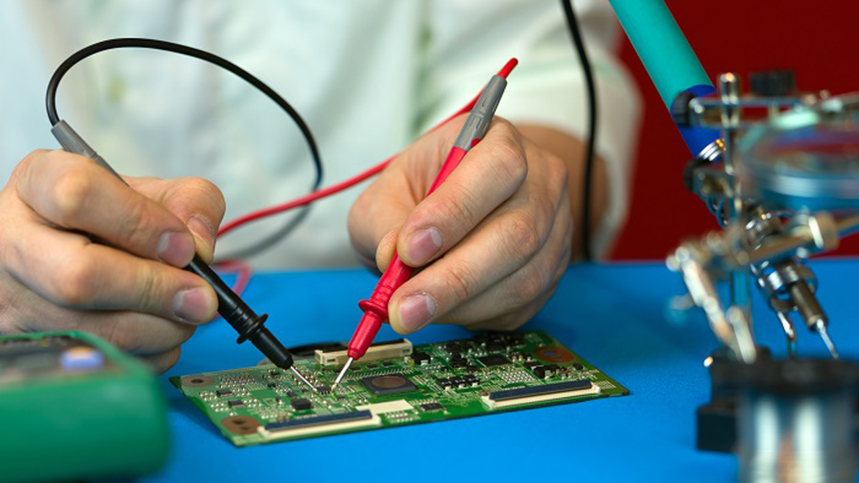
In modern electronics manufacturing, PCB quality depends on much more than the finished board. The materials, engineering data, manufacturing processes, inspections, and shipping records behind each PCB can all affect its reliability.
This is why traceability in PCB manufacturing supply chain has become increasingly important for automotive electronics, industrial control systems, power electronics, energy storage, new energy equipment, and robotic applications.
From an experienced PCB manufacturing perspective, traceability means being able to connect a finished PCB or PCBA with the relevant materials, production information, process records, inspection results, and shipment information. When a quality issue occurs, effective traceability helps engineers identify where the problem may have originated instead of investigating the entire supply chain blindly.

What Does PCB Manufacturing Traceability Mean?
PCB traceability is the ability to track and associate important information throughout the manufacturing process.
Depending on the product and customer's requirements, traceable information may include:
-
Customer order and part number
-
PCB revision and manufacturing data
-
Raw material information
-
Production batch or lot information
-
Manufacturing process records
-
Inspection and test results
-
Quantity produced and shipped
-
Shipment and delivery records
The exact scope of traceability should be defined according to the product's reliability requirements and customer specifications. For high-reliability applications, traceability is particularly useful because PCB defects may not become apparent immediately after manufacturing. A reliable record system makes it easier to identify potentially affected batches and support corrective-action investigations.
Which Stages Should Be Traceable?
A practical PCB traceability system should cover more than the final inspection stage.
|
Supply Chain / Manufacturing Stage |
Typical Traceable Information |
Why It Matters |
|
Engineering |
PCB revision, Gerber files, stackup, specifications |
Prevents production against outdated design data |
|
Material preparation |
Material type, supplier/lot information where applicable |
Helps investigate material-related issues |
|
PCB fabrication |
Production batch and process information |
Connects boards with manufacturing history |
|
Inspection |
AOI, electrical and dimensional inspection results |
Provides evidence of quality verification |
|
SMT assembly |
Assembly data, component and process information where applicable |
Supports component/process investigations |
|
Final inspection |
Inspection status and test results |
Confirms product release |
|
Shipping |
Quantity, order, shipment and delivery information |
Supports customer-side tracking and recalls |
Not every PCB manufacturer will maintain exactly the same records. The appropriate traceability depth depends on the product, manufacturing process, regulatory requirements, and customer expectations.

Why Is Traceability Important for PCB Quality?
1. Faster Root-Cause Analysis
Suppose a customer discovers intermittent electrical failures after receiving a batch of multilayer PCBs. Without adequate traceability, engineers may need to investigate everything from PCB materials to plating, lamination, drilling, surface finish, and electrical testing.
With appropriate production records, the investigation can be narrowed to the relevant production batch and process conditions. This can significantly improve the efficiency of failure analysis and corrective action.
2. Better Control of Manufacturing Changes
PCB manufacturing involves many engineering and process parameters.
A board may have different revisions of:
-
Gerber data
-
PCB stackup
-
Material selection
-
Copper thickness
-
Surface finish
-
Via structure
-
Dimensional requirements
Traceability helps ensure that the manufactured product can be associated with the correct engineering revision. This is particularly important for complex HDI and multilayer PCBs, where small changes in the stackup or via structure can affect manufacturing and electrical performance.
3. More Effective Batch Management
When a potential defect is identified, manufacturers need to determine which products could be affected. A traceable production system can help connect the quality issue with the relevant production batch or order. This makes it easier to determine whether the issue is isolated or potentially affects multiple shipments.
What Should Be Tracked for High-Reliability PCBs?
The required level of traceability should be proportional to the product's risk. For example, a simple commercial PCB may require basic order, production, and inspection records, while an automotive or power-control PCB may require more detailed manufacturing and quality documentation.
For high-reliability projects, customers may request traceability related to:
-
PCB material
-
Copper thickness
-
Layer count and stackup
-
Hole and via processes
-
Surface finish
-
Production batch
-
Inspection results
-
Electrical testing
-
Nonconformance and corrective-action records
-
Shipment information
The exact documentation package should be agreed upon before production rather than assumed after a quality issue occurs.
How Does Traceability Work Across PCB Fabrication and PCBA?
PCB fabrication and SMT assembly create different types of manufacturing information.
During PCB fabrication, traceability can connect the finished board with engineering data, materials, fabrication processes, and inspection results.
During PCBA manufacturing, additional information may be associated with component placement, solder paste printing, reflow, AOI, electrical testing, and final inspection. For example, PCBBUY's PCB and SMT capabilities include processes such as AOI, flying-probe testing, four-wire low-resistance testing, solder paste printing, high-speed pick-and-place, reflow soldering, and double-sided assembly.
For a complete PCBA project, these processes can form different stages of the overall quality-control chain. The objective is not simply to collect as much data as possible. The objective is to maintain useful, accurate, and retrievable production information that can support quality decisions.
How Can PCB Manufacturers Improve Supply Chain Traceability?
Effective traceability starts with standardized information management.
A manufacturer should establish clear relationships between:
Customer → Order → Engineering Revision → Material/Production Batch → Manufacturing Process → Inspection/Test → Final Product → Shipment
Several practices can improve traceability:
Standardize Part and Revision Information
Each PCB project should have clearly controlled design and revision information. This reduces the risk of manufacturing a board using outdated files.
Maintain Batch-Level Production Records
Production batch information provides an important connection between manufacturing activities and finished products.
Record Inspection and Test Results
Quality records should be associated with the relevant product or production batch wherever appropriate. PCBBUY uses inspection methods including AOI, flying-probe testing, and four-wire low-resistance testing, depending on project requirements.
Control Engineering Changes
When specifications change, the manufacturer should ensure that the correct revision is released to production. This becomes increasingly important for high-density products such as HDI and high-layer-count PCBs.
Preserve Shipment Records
Final traceability should extend beyond production. Shipment quantity, order information, and delivery records can help customers identify affected products if a later quality issue occurs.
How Does Traceability Support Automotive and Energy Applications?
Traceability is particularly valuable in industries where PCB reliability is closely connected to system performance. For example, automotive electronics may operate under thermal cycling, vibration, and long service-life requirements. Power electronics and energy-storage systems can also involve high current, elevated temperatures, and demanding operating environments.
Industrial control equipment and robotic systems may require stable operation over long periods.
For these applications, traceability helps manufacturers and customers answer practical questions such as:
-
Which production batch does this PCB belong to?
-
Which engineering revision was used?
-
Which material specification was applied?
-
What inspections were performed?
-
Were electrical tests completed?
-
Which shipment contained the affected products?
The answers can make quality investigations substantially more efficient.
How Does PCBBUY Approach PCB Manufacturing Quality?
PCBBUY focuses on high-precision PCB manufacturing and PCBA services for applications including automotive electronics, industrial control, power systems, energy storage, new energy, and embodied robotics.
Its PCB manufacturing capabilities include 1–26 layer boards, 1–3 stage HDI, minimum hole sizes down to 0.1 mm, high-Tg materials, high-frequency material options, customized copper thickness, and thick-copper PCB capability up to 10 oz.
For high-density and high-reliability products, manufacturing capability must be combined with process and inspection control. PCBBUY supports quality verification through methods including AOI, flying-probe testing, and four-wire low-resistance testing.
For SMT assembly, the manufacturing process includes solder paste printing, component placement, reflow soldering, AOI, and other assembly operations. For customers requiring specific traceability documentation, the required records and acceptance criteria should be confirmed during the engineering and quotation stage. This ensures that the traceability scope matches the actual project requirements.
What Makes PCB Traceability Effective?
A traceability system is only useful when its information is accurate, consistent, accessible, and connected to the correct product. Simply storing large amounts of manufacturing data does not guarantee effective traceability.
For PCB buyers, it is more practical to define the required traceability level before production. This may include the required batch information, inspection records, material documentation, engineering revision control, and shipping records.
For high-reliability products, traceability should be treated as part of the overall quality-management process rather than an administrative task added after production.
Conclusion
Traceability in PCB manufacturing supply chain provides a structured connection between engineering data, materials, manufacturing processes, inspection results, and shipped products.For standard commercial electronics, basic traceability may be sufficient. For automotive, industrial control, power, energy storage, new energy, and robotic applications, deeper traceability can provide valuable support for root-cause analysis, batch management, engineering change control, and long-term quality assurance.
PCBBUY combines PCB fabrication, SMT assembly, inspection, and testing capabilities to support complex electronics manufacturing projects. By defining traceability requirements together with PCB specifications and quality standards at the beginning of a project, manufacturers and customers can build a more transparent and manageable supply chain.
FAQ
1. What is traceability in PCB manufacturing?
PCB manufacturing traceability is the ability to connect a finished PCB or PCBA with relevant engineering data, materials, production information, inspection results, testing records, and shipment information.
2. Why is PCB traceability important?
It helps manufacturers and customers investigate quality problems, identify potentially affected batches, control engineering revisions, and support corrective and preventive actions.
3. What information should be traceable in PCB manufacturing?
Depending on the project, traceable information may include PCB revision, material information, production batch, manufacturing records, inspection results, electrical test results, and shipment information.
4. Is traceability necessary for every PCB?
The required level varies according to the application and customer requirements. High-reliability applications generally benefit from a more comprehensive traceability system than standard commercial products.
5. How does traceability help with PCB quality issues?
If a defect is discovered, traceability can help engineers identify the relevant production batch, engineering revision, manufacturing records, and inspection results. This makes root-cause analysis more targeted.
6. Does PCBBUY provide PCB manufacturing traceability?
PCBBUY supports PCB fabrication and PCBA manufacturing with multiple production and inspection processes. The specific traceability records available for a project should be confirmed according to the customer's documentation and quality requirements.
7. Can PCB traceability cover SMT assembly?
Yes. For PCBA manufacturing, traceability can extend beyond PCB fabrication to assembly processes such as solder paste printing, component placement, reflow, AOI, electrical testing, and final inspection, depending on the required traceability scope.
Industry Category